 EN
EN



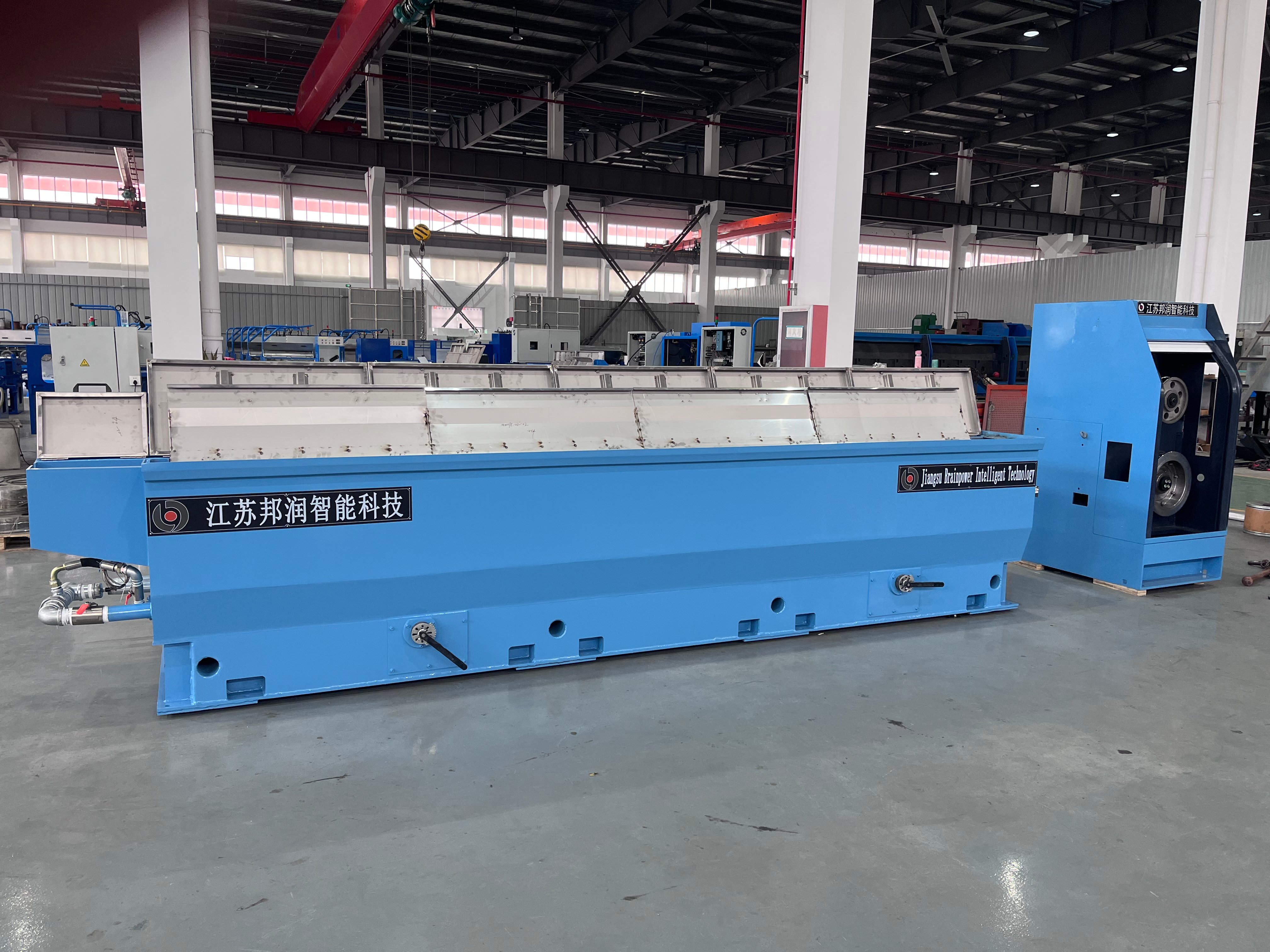
Wire cracking during the drawing process represents one of the most costly production challenges in metal fabrication. When using a wire drawing machine with annealer, the quality of your final product depends critically on preventing internal fractures and surface defects. These cracks not only reduce material yield but also compromise the mechanical properties essential for downstream applications in electronics, automotive, and industrial sectors.
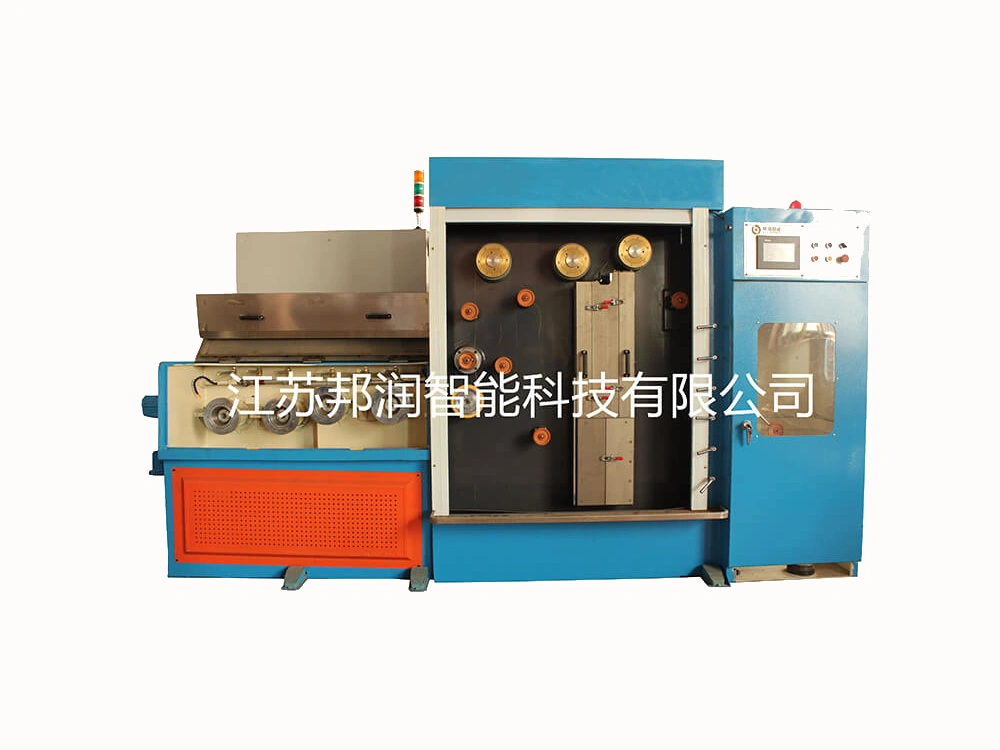
The integration of annealing technology within your wire drawing system transforms the entire production equation. Proper annealing control directly impacts wire quality throughout every drawing stage, eliminating the brittleness and internal stress that trigger cracking. Understanding the relationship between temperature management, timing, and mechanical reduction is fundamental to achieving consistent, defect-free wire output.
Understanding Wire Cracking Root Causes
Thermal Stress and Material Brittleness
Wire cracking fundamentally stems from incomplete stress relief during the drawing process. As metal moves through successive drawing dies, molecular structure becomes increasingly strained and work-hardened. Without proper thermal intervention, this accumulated strain exceeds the material's fracture threshold, causing catastrophic failure. The wire quality deteriorates because the metal lacks sufficient ductility to accommodate further deformation.
Annealing control serves as the critical corrective mechanism in this scenario. By heating the wire to specific temperatures below the recrystallization point, you restore atomic mobility and relieve internal stresses. The annealing control process must be precisely calibrated to match your specific alloy composition and the cumulative strain from previous drawing stages. Temperature overshooting creates coarse grain structures that paradoxically worsen cracking susceptibility, while insufficient heating leaves residual stress intact.
Improper Drawing Parameters and Reduction Ratios
Drawing speed, die geometry, and reduction percentage directly influence wire cracking probability. Excessive reduction in single draws forces the material beyond its plastic deformation capacity, initiating micro-cracks that propagate under continued stress. A wire drawing machine with annealer enables operators to work with smaller per-stage reductions because annealing intervals refresh material properties between draws. This staged approach distributes stress more evenly and allows recovery of wire quality.
Lubrication effectiveness diminishes when die temperatures rise due to friction. Poor surface condition between wire and die creates additional mechanical stress concentration points. Annealing control becomes essential here too, because optimized thermal cycles reduce the cumulative heat generated by drawing friction, maintaining better lubrication film integrity and preventing the surface oxidation that accelerates cracking.
Optimizing Annealing Control for Maximum Wire Quality
Temperature Precision and Cooling Strategy
The temperature window for effective annealing control is narrow and material-specific. For copper and copper alloys, typical annealing occurs between 300°C and 600°C depending on alloy composition and prior work history. Holding temperature too high promotes grain growth and reduces wire quality through brittleness; holding too low leaves residual strain. A properly configured wire drawing machine with annealer includes precise thermocouples and feedback loops that maintain temperature within ±10°C of target setpoints.
Cooling rate after annealing demands equal attention to prevent re-hardening and stress regeneration. Rapid air cooling can introduce new surface stresses, while excessively slow cooling wastes cycle time and energy. The optimal strategy employs controlled cooling that balances metallurgical requirements with production efficiency. Some advanced systems use fan-assisted or water-spray cooling to achieve the ideal cooling curve while maintaining wire quality throughout the temperature transition.
Integrated Monitoring and Feedback Systems
Modern annealing control systems incorporate real-time wire quality assessment through tension monitoring and mechanical property testing. By measuring wire elongation and ultimate tensile strength at intervals, operators detect early signs of inadequate annealing before cracking occurs. These metrics feed directly into the wire drawing machine with annealer control algorithms, enabling automatic adjustment of temperature, dwell time, and cooling rates.
Data logging systems track every annealing cycle's parameters and correlate them with downstream cracking incidents. This historical analysis reveals patterns that manual observation misses, such as seasonal variations in ambient temperature affecting cooling rates or gradual furnace drift requiring recalibration. Predictive maintenance becomes possible when annealing control data integrates with drawing tension profiles, allowing preventive intervention before quality degradation occurs.
Best Practices for Production Implementation
Establishing Baseline Material Characterization
Before optimizing annealing control, thoroughly characterize incoming wire feedstock across multiple supplier lots. Variations in initial hardness, grain structure, and trace element composition significantly influence how material responds to thermal cycling. Create material-specific annealing profiles for each alloy and diameter combination used in your operation. A wire drawing machine with annealer equipped with flexible programming should accommodate these variations without requiring manual die changes or equipment reconfiguration.
Test samples at each stage to build confidence in new annealing control recipes. Plot hardness values before and after annealing to verify that the thermal cycle achieves desired softening without over-annealing. This empirical validation ensures wire quality consistency and protects against unexpected cracking when production scales up to full capacity.
Preventive Maintenance and System Calibration
Furnace heating elements degrade gradually, reducing annealing control precision and increasing temperature overshoot risk. Quarterly thermocouple verification against certified reference standards prevents drift that compromises wire quality. Scale buildup on furnace walls insulates heating elements and creates temperature gradients that cause non-uniform annealing across the wire cross-section, triggering localized cracking.
Lubrication system maintenance directly supports crack prevention by maintaining consistent film strength during drawing. Expired or contaminated drawing compounds lose viscosity and boundary lubrication properties, increasing friction and heat generation. Combined with marginal annealing control, degraded lubrication accelerates the onset of cracking failures. Establish fluid change intervals based on usage hours rather than arbitrary calendar schedules, ensuring optimal lubrication performance throughout each production run.
FAQ
What temperature range works best for annealing control in copper wire drawing?
Copper typically requires annealing control between 300°C and 450°C for optimal stress relief and wire quality restoration. Precise temperature depends on prior work-hardening degree and target final properties. Test your specific material and alloy composition to determine the exact setpoint that maximizes ductility while avoiding grain coarsening that reduces strength.
How frequently should annealing occur during the drawing process?
Annealing intervals depend on cumulative reduction percentage and wire diameter. For fine wire applications, annealing control may occur after 20–40% total reduction from the previous anneal. A wire drawing machine with annealer allows flexible scheduling; monitor wire tension and test mechanical properties to determine whether additional annealing cycles improve wire quality or represent over-processing waste.
Can poor annealing control cause internal cracking that doesn't immediately appear?
Yes, inadequate annealing control leaves residual stress that may not cause visible cracks during drawing but manifests during downstream processing, coiling, or service use. These delayed cracks severely compromise wire quality and create customer returns. Rigorous annealing control with mechanical property verification prevents this hidden defect mode by ensuring complete stress relief before further drawing stages occur.

