 EN
EN



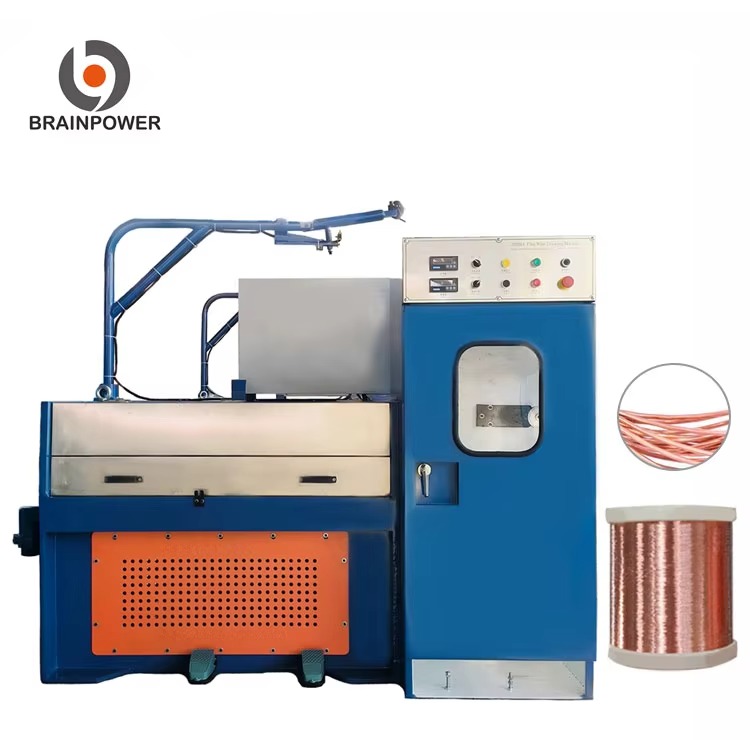
Material waste represents one of the most significant cost drivers in modern cable production line operations. Every meter of cable produced involves raw material consumption, energy use, and processing time, making waste reduction a critical operational priority. Organizations that fail to address inefficiencies in their cable production line systems face eroding margins, environmental compliance challenges, and competitive disadvantage. Understanding the root causes of waste and implementing systematic controls transforms how manufacturers operate their cable equipment and maximize profitability.
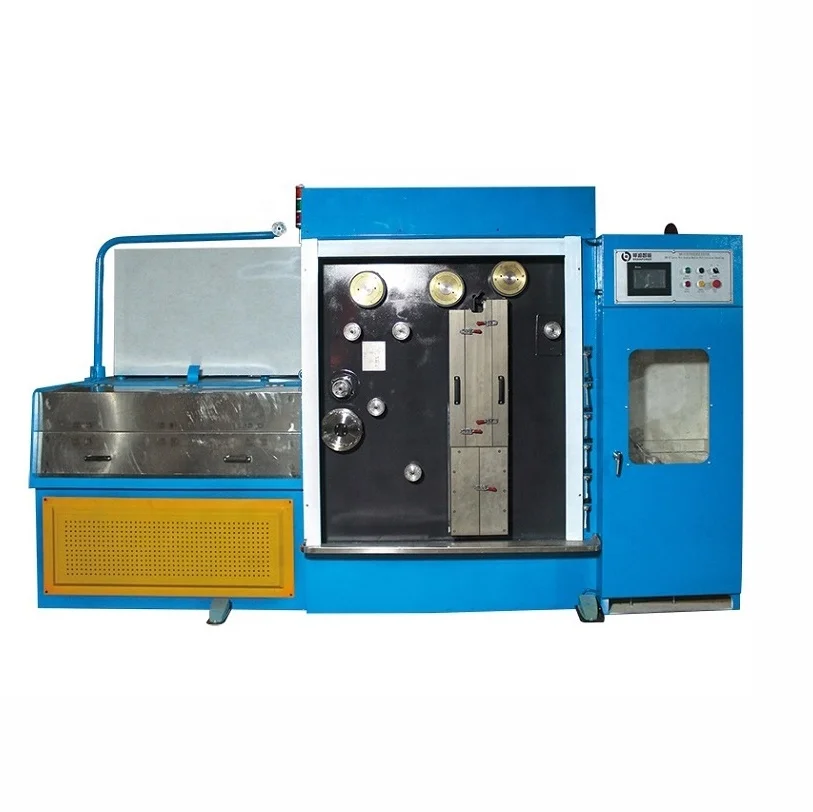
Effective waste reduction in a cable production line requires a multi-faceted approach combining equipment optimization, process discipline, operator training, and continuous monitoring. Industrial cable manufacturers that integrate these elements systematically achieve waste reductions of fifteen to thirty percent within the first year. This article explores practical, proven strategies to reduce material waste while maintaining quality standards and throughput targets across your production operations.
Identifying Waste Sources in Cable Equipment Operations
Understanding Material Loss Points
Waste in cable production environments originates from multiple interconnected sources. Scrap generation during initial drawing, stranding, and insulation stages represents the largest category, often accounting for eight to twelve percent of total raw material input. Cable equipment settings that drift out of specification create dimensional inconsistencies, triggering offline corrections and material rework. Setup losses between production runs, startup scrap during speed ramping, and end-of-reel trim waste accumulate daily without visible tracking systems in place.
Quality defects that escape inline detection later generate complete reel scrapping, amplifying waste costs exponentially. Environmental factors such as material moisture absorption or temperature fluctuations affect cable diameter consistency, forcing production pauses and material disposal. Operator errors, including incorrect tension settings or speed adjustments on cable equipment, cascade into significant material losses before correction occurs. Effective waste reduction begins with systematic data collection that isolates where and why material exits the production line as unusable scrap.
Establishing Baseline Waste Metrics
Before implementing improvements to cable production line efficiency, manufacturers must establish accurate baseline measurements. Track scrap weight by production stage, shift, operator, and machine configuration to reveal patterns and responsibility centers. Calculate waste as a percentage of raw material consumed, not simply pounds discarded, since this metric reveals true production efficiency. Production efficiency gains become visible only when baseline metrics establish the starting point for comparative analysis.
Documentation systems that correlate cable equipment settings, material batch codes, and scrap generation create the foundation for root cause analysis. Operators should record tension values, line speeds, temperature readings, and environmental conditions whenever scrap events occur. This structured data transforms waste reduction from guesswork into science-based improvement projects with measurable outcomes.
Optimizing Cable Equipment Settings and Preventive Maintenance
Fine-Tuning Production Line Parameters
Cable equipment operates within narrow tolerance bands where small deviations trigger significant waste consequences. Tension settings that drift just five percent above specification accelerate wire breakage, forcing line stops and material scrapping. Speed ramp profiles that lack proper acceleration logic create strand misalignment during the early draw phase, requiring rework or disposal of entire batches. Production efficiency improves dramatically when operators follow equipment manufacturers' optimized settings documented in standard work procedures.
Implement preventive maintenance schedules that address cable production line component wear before performance degradation occurs. Lubrication systems that drift out of specification create drawing die wear, affecting cable diameter consistency and triggering quality rejects. Die replacement intervals should track not simply calendar time but actual footage drawn, since usage intensity varies by application and material type. Regular calibration of tension monitoring equipment ensures that cable equipment settings accurately reflect actual line forces rather than drifting sensor readings.
Upgrading to Efficient Cable Equipment Technology
Modern cable production line systems incorporate real-time feedback control that responds to process drift within seconds rather than waiting for operator intervention. Advanced sensors monitor cable diameter, tension, temperature, and insulation thickness continuously, triggering automatic adjustments that prevent scrap-generating deviations. These technologies reduce setup waste during product transitions by fifty to seventy percent compared to manual adjustment methods. Investment in upgraded cable equipment often pays back within eighteen months through waste reduction and production efficiency gains alone.
Digital monitoring systems on cable equipment create audit trails documenting every setting change, speed adjustment, and alarm condition throughout each shift. This transparency drives operator accountability and enables supervisors to identify drift patterns requiring intervention before waste occurs. Production efficiency dashboards that display real-time scrap percentages motivate teams to maintain discipline around critical setup parameters.
Implementing Waste Reduction Systems and Operator Discipline
Developing Standard Work and Operator Training
Standardized procedures that specify exact startup sequences, speed profiles, and quality checkpoints reduce variability and human error across cable production line operations. Operators trained to understand why each parameter matters demonstrate higher compliance with standard work compared to those simply following rote instructions. Cable equipment configuration checklists that operators complete before each run create accountability and catch errors before they generate scrap. Video documentation showing correct setup procedures provides reference materials that reduce trial-and-error learning and accelerate new operator proficiency.
Reward systems that recognize shifts achieving waste reduction targets below established baselines create cultural alignment with efficiency goals. Production efficiency improvements become sustained when operators see direct connection between their diligence and favorable performance recognition. Cross-training programs that rotate operators through different cable equipment stations broaden perspective and expose improvement opportunities that specialists might overlook.
Establishing Continuous Improvement Cycles
Monthly waste reduction reviews that analyze scrap data by machine, shift, and product category drive incremental improvement momentum. Production efficiency gains of two to three percent monthly compound into extraordinary annual results when sustained systematically. Cable production line teams that participate in kaizen events to solve specific waste problems develop ownership and accountability for outcomes. Benchmark comparisons against similar facilities reveal performance gaps and validate that improvement targets remain realistic and achievable.
Operator suggestions for cable equipment modifications or process changes should flow through structured channels with rapid evaluation and implementation. When frontline teams see their ideas tested and adopted, engagement in waste reduction initiatives accelerates significantly. Production efficiency becomes competitive advantage when organizations systematically harvest intelligence from personnel who operate cable equipment daily.
FAQ
What is the typical waste reduction timeline for cable production line improvements?
Organizations implementing comprehensive waste reduction strategies typically achieve measurable improvements within the first thirty days through operator discipline and parameter optimization. More substantial production efficiency gains of fifteen to twenty-five percent emerge within three to six months as systematic improvements to cable equipment settings compound. Full potential realization often requires six to twelve months as training deepens, equipment upgrades complete, and cultural alignment strengthens around waste reduction priorities.
How does cable equipment maintenance impact waste generation?
Neglected maintenance on cable production line systems accelerates component wear, causing parameter drift that generates scrap before operators detect the problem. Production efficiency deteriorates gradually as drawing dies wear, tension sensors drift out of calibration, and speed control systems lose responsiveness. Preventive maintenance schedules that maintain cable equipment in original specification condition prevent most waste-generating failures and extend equipment lifespan by reducing stress from corrective operation.
Can waste reduction improvements in cable production lines affect product quality?
When implemented correctly, waste reduction strategies on cable production line operations simultaneously improve quality because both result from tighter process control. Production efficiency gains from optimized cable equipment settings produce more consistent cable diameter, insulation thickness, and physical properties. Organizations that achieve waste reduction through better process discipline rather than material substitution or specification relaxation experience improved quality metrics alongside lower scrap percentages.

