 EN
EN



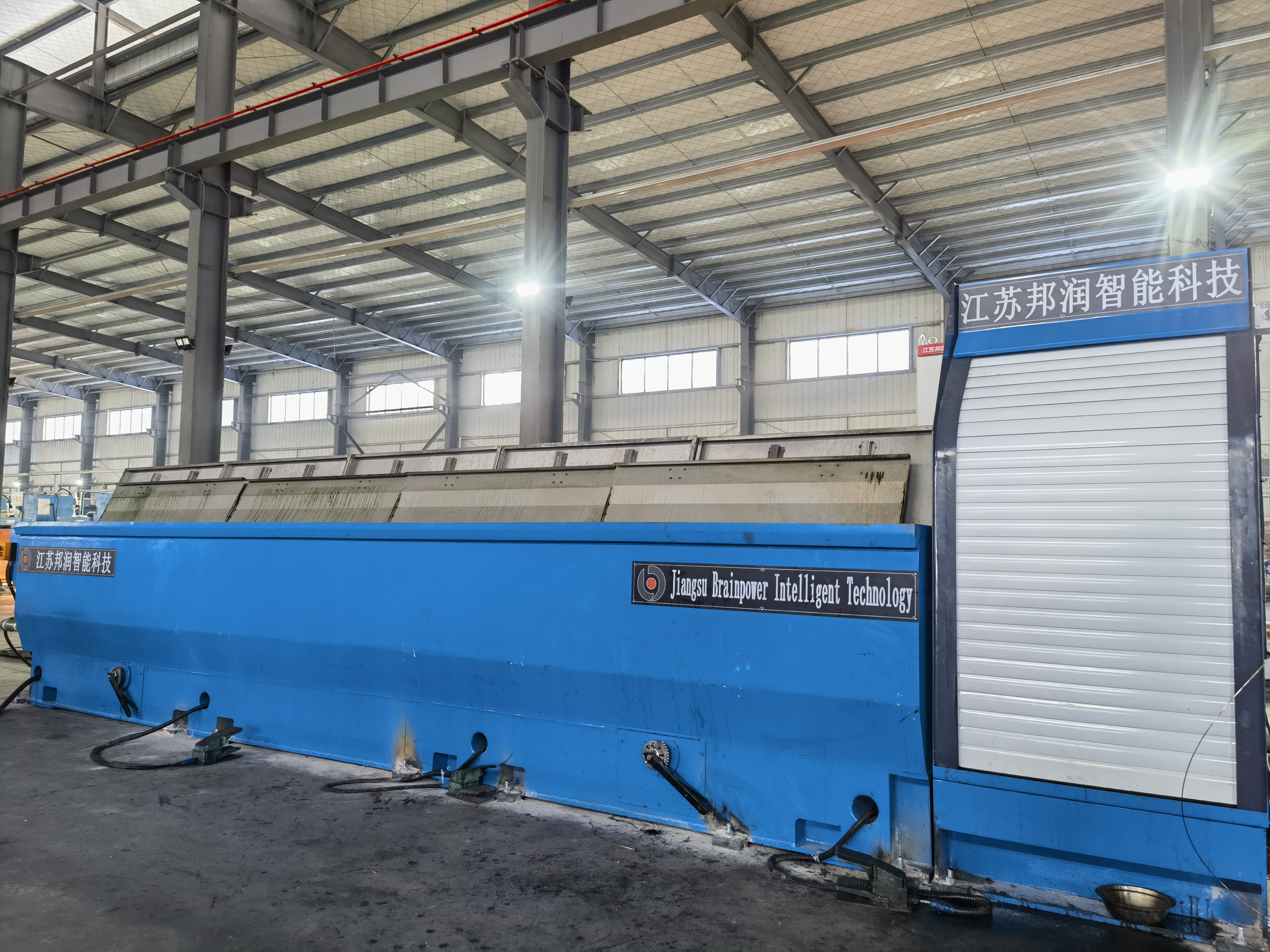
Wire breakage represents one of the most costly operational challenges in industrial metal processing, directly impacting production efficiency and material waste. When a wire drawing machine experiences frequent breakage events, manufacturers face unplanned downtime, increased scrap rates, and reduced throughput on the production line. Understanding the root causes of wire breakage and implementing targeted prevention strategies can dramatically improve operational performance and profitability.
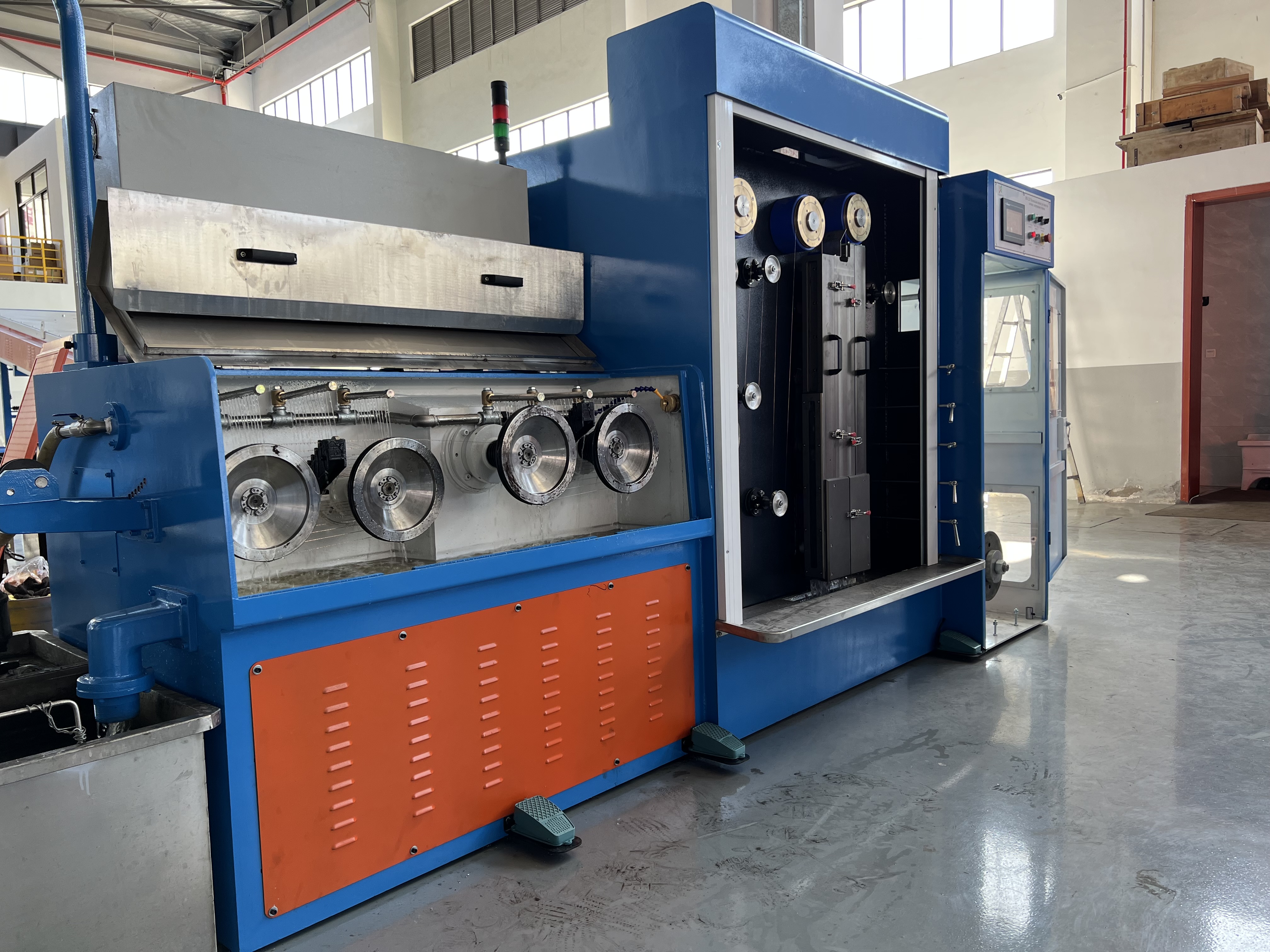
The drawing process involves pulling raw wire stock through a series of dies to reduce its diameter and improve its mechanical properties. This process places significant stress on the material, and any deviation in machine parameters, material quality, or die condition can trigger catastrophic wire failure. By mastering the key factors that influence wire breakage, operators and maintenance teams can establish consistent, reliable production cycles that maximize equipment uptime and material yield.
Common Causes of Wire Breakage
Material Quality and Composition Issues
The quality of incoming wire stock directly affects breakage rates during the drawing process. Material with internal defects, inconsistent hardness, or contamination becomes more prone to sudden failure when subjected to the high tensile forces required in drawing. Wire that does not meet specified composition standards may lack sufficient ductility, causing it to snap rather than deform smoothly through die passages. Operators must establish rigorous incoming material inspection protocols to verify chemical composition, hardness ranges, and surface condition before material enters the drawing machine. Working with qualified suppliers who maintain consistent material standards is essential for minimizing breakage related to poor feedstock quality.
Inadequate Lubrication and Die Wear
Proper lubrication is critical to reducing friction and heat generation during the drawing process. When lubrication becomes depleted, degraded, or misapplied, friction increases dramatically, causing excessive heat that weakens the wire and accelerates die wear. Worn dies develop rough surfaces and improper geometry, which creates stress concentrations and inconsistent wire reduction. The wire drawing machine requires consistent lubricant supply at the correct viscosity and flow rate to prevent these issues. Regular die inspection and replacement on a preventive schedule, combined with proper lubricant management, substantially reduces breakage caused by friction and heat damage.
Optimizing Machine Settings and Operation
Drawing Speed and Tension Control
Excessive drawing speed is a primary cause of wire breakage in industrial applications. When machine operators increase speed beyond material and equipment capabilities, the wire experiences sudden, uncontrolled stress that exceeds its tensile strength. The drawing process requires carefully calibrated tension settings that apply sufficient force to pull the wire through dies while avoiding overstress. Modern wire drawing machines include programmable speed controllers and tension monitors that allow operators to establish safe operating parameters specific to each material type and wire diameter. Regular speed optimization trials help identify the maximum throughput possible without increasing breakage frequency. Monitoring real-time tension data provides early warning signs of impending wire failure, allowing operators to reduce speed before breakage occurs.
Temperature Management During Drawing
Heat generation during the drawing process weakens wire material and promotes die degradation. As wire passes through dies at high speed, friction creates temperature increases that reduce ductility and increase brittleness. Without proper cooling, wire temperature can exceed safe limits, causing work hardening that makes the material brittle and susceptible to cracking. Cooling systems must deliver adequate coolant flow directly to die contact zones to dissipate heat and maintain wire temperature within safe operating ranges. Regular coolant replacement and system cleaning prevent heat transfer problems that would otherwise cause temperature spikes during operation. Monitoring exit wire temperature with infrared sensors helps operators detect cooling system failures before they result in widespread wire breakage.
Preventive Maintenance and Machine Care
Die Maintenance and Replacement Protocols
Dies represent the most critical wear components in any wire drawing machine. Die deterioration occurs gradually as wire abrasion roughens surfaces and reduces dimensional accuracy. Damaged dies create uneven pressure distribution, stress concentration points, and increased friction that directly trigger wire breakage. Establishing a preventive die replacement schedule based on production hours or tonnage processed prevents catastrophic die failure during operation. Regular visual inspection between scheduled replacements can detect surface damage or wear patterns early, allowing proactive replacement before breakage rates increase. Proper die storage, handling, and installation procedures prevent installation damage that would compromise die performance immediately.
Wire Guiding and Alignment Systems
Misalignment of wire path through the drawing machine creates uneven force distribution and excessive bending stress. When wire does not travel straight through die centers, it experiences lateral forces that concentrate stress on certain sections of the wire. This localized stress makes wire more susceptible to sudden failure, particularly when combined with other stress factors. Regular inspection of guide rollers, die bushings, and wire path alignment ensures the wire travels optimally through the drawing process. Worn guide components must be replaced immediately to restore straight wire travel. Proper machine setup and calibration during installation or after any equipment modifications prevents chronic misalignment issues that would otherwise cause continuous breakage problems.
FAQ
What causes sudden wire breakage in the middle of production?
Sudden wire breakage typically results from one or more acute problems: contaminated or defective material entering the drawing machine, complete lubrication failure causing extreme friction and heat, a die catastrophically fracturing or developing a severe defect, or machine collision with foreign objects. Immediate investigation should focus on the last material processed, lubrication system status, die condition, and any unusual sounds or vibrations detected just before breakage occurred.
How often should wire drawing machine dies be replaced?
Die replacement frequency depends on material type, wire diameter, drawing speed, and production volume. Most industrial operations replace dies after 20,000 to 50,000 tons of material processed, though some applications may require more frequent replacement. Monitoring breakage rates, wire surface quality, and drawing force requirements helps determine when dies require replacement before they cause excessive wire breakage problems.
Can wire breakage be completely eliminated?
While complete elimination is impractical, breakage rates can be reduced to very low levels through systematic attention to material quality, machine maintenance, process optimization, and operator training. Most well-managed operations achieve breakage rates below 0.5% of total production volume by implementing comprehensive prevention strategies throughout the drawing process.

