 EN
EN



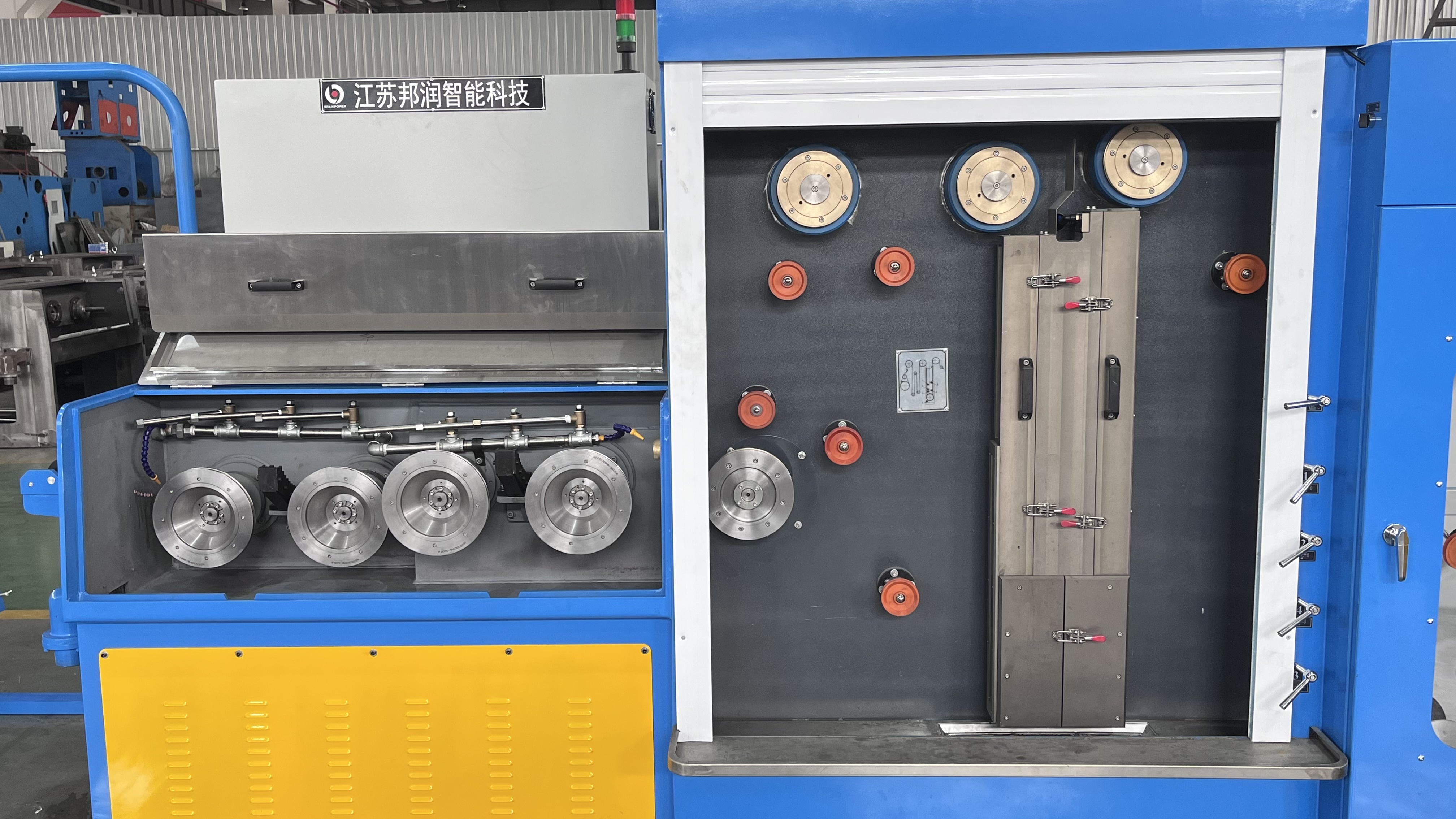
Wire breakage during the drawing process represents one of the most costly operational challenges in metal wire manufacturing. When a fine wire drawing machine encounters unexpected wire failure, production halts, equipment requires reset, and material is wasted. Understanding the root causes of breakage and implementing systematic prevention strategies directly impacts your facility's productivity, material costs, and equipment lifespan. The fine wire drawing process demands precise tension management, consistent lubrication, and controlled reduction ratios to maintain wire integrity throughout each stage.
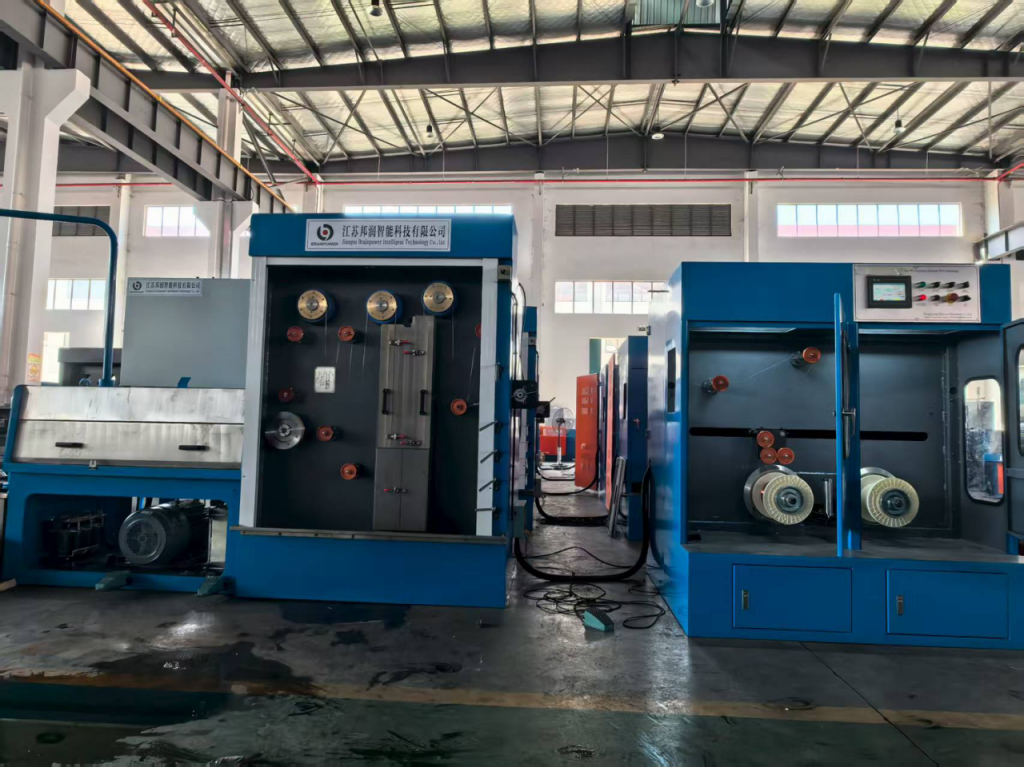
A modern fine wire drawing machine equipped with advanced precision control systems offers the foundation for reducing breakage, but material science, process engineering, and operator expertise also play essential roles. Industrial wire drawing requires balancing speed, reduction percentage, and material properties to achieve consistent quality without compromising throughput. This guide explores evidence-based techniques that minimize wire breakage while maintaining the dimensional accuracy and mechanical properties essential for downstream applications.
Understanding Breakage Root Causes in Fine Wire Drawing
Mechanical Stress and Die Design Factors
Wire breakage most frequently originates from excessive mechanical stress concentrated at specific points in the drawing die or capstan region. Dies with improper inlet angles, rough surfaces, or uncentered wire pathways create stress concentrations that exceed the material's tensile strength. The wire quality directly influences breakage susceptibility; materials with internal defects, segregation, or prior damage are far more prone to sudden failure during drawing. Dies must be regularly inspected for wear patterns, polished to maintain smooth surfaces, and replaced when wear reaches critical thresholds to ensure consistent wire quality throughout production runs.
Tension and Lubrication Management
Improper tension management stands as a primary breakage driver in fine wire drawing operations. Excessive tension accelerates work-hardening and creates micro-cracks in the wire, while insufficient tension causes erratic drawing behavior and inconsistent wire diameter. Effective precision control requires dynamic tension adjustment based on real-time wire feedback and material properties. Lubrication quality and application directly affect surface integrity and heat dissipation; inadequate or degraded lubricant increases friction, elevates drawing temperatures, and compromises the wire's mechanical properties. Proper lubrication reduces friction coefficient, dissipates drawing heat, and creates a protective film that prevents direct metal-to-die contact.
Optimizing Precision Control Parameters
Reduction Ratio and Drawing Speed Coordination
The reduction ratio—the percentage of cross-sectional area removed per drawing pass—directly impacts stress distribution and breakage likelihood. Fine wire drawing requires carefully graduated reduction ratios that avoid sudden geometric changes and maintain consistent strain rates throughout each stage. Drawing speed must be coordinated with reduction ratio to ensure adequate time for stress relief and proper lubrication film formation. Precision control systems that adjust speed based on wire feedback and die performance significantly reduce breakage rates compared to fixed-speed operations. Multi-stage drawing with intermediate annealing processes allows work-hardened wire to recrystallize, restoring ductility and reducing subsequent breakage risk.
Temperature Management During Drawing
Drawing generates substantial friction heat that raises wire temperature and degrades mechanical properties if not properly managed. Temperature control through precision cooling systems and optimized lubrication directly correlates with wire quality outcomes. Fine wire drawing machines equipped with thermal monitoring detect temperature anomalies before they cause material degradation. Maintaining wire temperature within the material's optimal processing window prevents both brittleness from excessive cooling and loss of strength from overheating. Advanced machines integrate real-time temperature sensing with automatic speed and lubrication adjustments to maintain consistent thermal conditions across all drawing stages.
Wire Material Selection and Preparation
Input Material Inspection and Conditioning
Wire breakage prevention begins before material enters the fine wire drawing machine. Input wire rod must be inspected for surface defects, internal voids, and material composition consistency that could compromise drawing performance. Pre-drawing annealing processes prepare work-hardened material by reducing grain boundaries and restoring ductility. Chemical composition analysis ensures the wire contains appropriate levels of carbon, alloying elements, and impurities for the intended application. Surface cleaning removes scale and contaminants that could damage dies or create stress points during drawing. Material conditioning at the upstream stage directly determines breakage susceptibility throughout subsequent fine wire drawing operations.
Precision Control Integration with Material Properties
Different materials exhibit distinct strain-hardening characteristics that require precision control adjustments during fine wire drawing. Copper alloys, stainless steel, and specialty materials each demand specific reduction ratios, tension profiles, and lubrication strategies. Fine wire drawing machine parameters must be configured based on material tensile properties, elongation characteristics, and historical performance data. Operators trained in material science can anticipate breakage risks and adjust precision control settings proactively before failures occur. Documented material performance records enable systematic optimization of drawing parameters for each alloy and diameter combination.
FAQ
What specific precision control features reduce breakage most effectively?
Dynamic tension adjustment systems that respond to real-time wire feedback provide the most substantial breakage reduction. Precision control mechanisms that coordinate drawing speed with reduction ratio and monitor wire temperature prevent the stress concentrations that cause failure. Advanced fine wire drawing machines integrate multiple feedback sensors to detect abnormal conditions and automatically adjust parameters before breakage occurs. Lubrication flow control systems that maintain consistent lubricant film thickness across the drawing stage also significantly reduce breakage rates compared to conventional systems.
How often should dies be replaced to maintain optimal wire quality?
Die replacement schedules depend on material type, drawing speed, and lubrication quality but typically occur after processing 50,000 to 200,000 meters of wire. Fine wire drawing operations with precise tolerance requirements necessitate more frequent die replacement to maintain dimensional accuracy and prevent surface-induced breakage. Visual inspection for wear patterns, reduced polish, or cratering should inform replacement decisions rather than following rigid time-based intervals. A fine wire drawing machine equipped with die condition monitoring systems can alert operators when precision control becomes compromised, triggering preventive replacement before breakage increases.
Can intermediate annealing significantly reduce breakage during drawing?
Intermediate annealing proves highly effective for materials requiring significant diameter reduction, as it relieves accumulated work-hardening and restores wire ductility between stages. Multi-stage fine wire drawing with annealing cycles reduces the stress per individual pass, allowing higher total reductions without exceeding material limits. Annealing cycles increase overall process time but dramatically reduce breakage rates and improve final wire quality. Integrated fine wire drawing machines with built-in annealing capabilities provide optimal control of temperature profiles and cooling rates, making multi-stage drawing both economically feasible and technically superior.

