 EN
EN



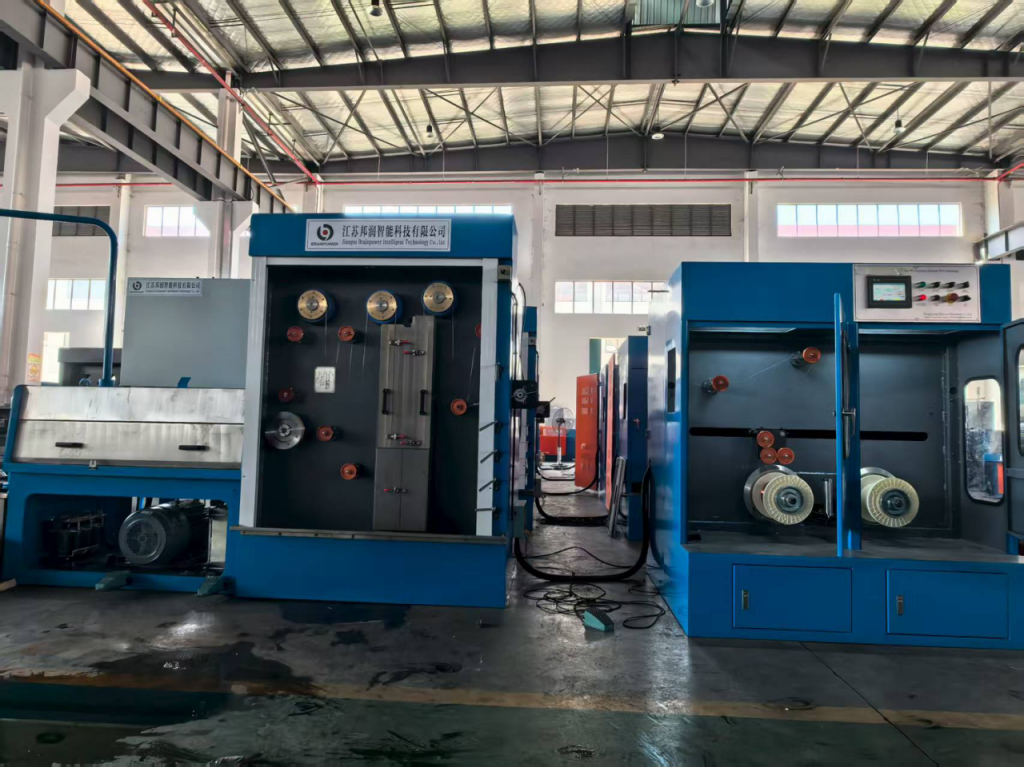
Precision in wire manufacturing depends critically on understanding what factors affect fine wire drawing machine accuracy. A fine wire drawing machine must maintain consistent dimensional tolerances, surface finish, and mechanical properties throughout production. Even minor deviations in process parameters can compound across multiple draws, resulting in micro wire that fails to meet strict industrial specifications. This comprehensive guide explores the essential factors that determine drawing accuracy and how manufacturers can optimize their equipment performance.
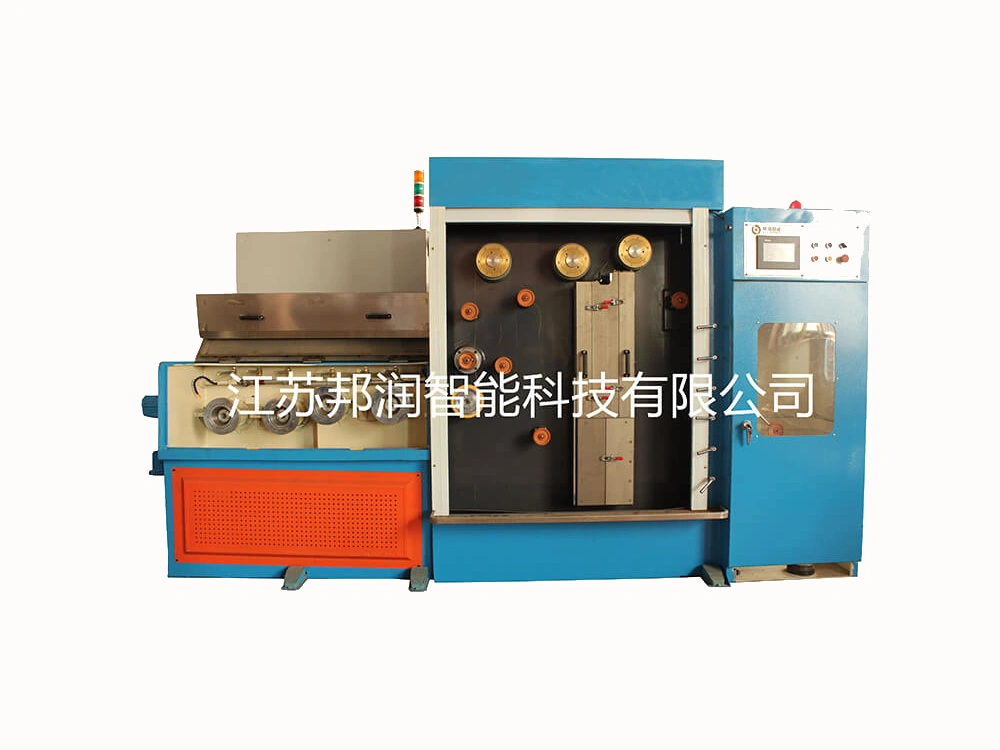
Drawing accuracy is not determined by a single variable but rather by the interplay of mechanical, material, and operational factors working in concert. Manufacturers operating fine wire production lines must recognize that drawing accuracy directly impacts downstream applications, particularly in industries requiring extreme precision such as electronics, telecommunications, and medical devices. Understanding these factors enables operators to diagnose problems quickly, implement corrective measures, and maintain consistent output quality that meets customer specifications.
Machine Design and Mechanical Precision
Spindle and Capstan Alignment
The mechanical foundation of any fine wire drawing machine determines its capacity to produce consistent micro wire. Spindle runout, bearing wear, and capstan eccentricity directly influence drawing accuracy by creating uneven tension distribution across the wire. When the capstan—the rotating component that controls wire speed and tension—operates outside specification, wire diameter variation increases measurably. Regular spindle maintenance, alignment verification, and bearing replacement protocols are essential to sustaining drawing accuracy over extended production runs.
Guide block positioning and die alignment represent critical mechanical factors affecting drawing accuracy. Misaligned guides cause the wire to approach the die at an angle rather than straight-on, creating asymmetric deformation and dimensional variation in the finished micro wire. Professional installations include precision laser alignment during commissioning and periodic re-verification, particularly after equipment relocation or major maintenance.
Die Housing and Backup Systems
Die housing rigidity directly correlates with drawing accuracy in fine wire applications. Flexible or worn housings allow die drift during the drawing process, causing diameter fluctuation in the micro wire output. Modern fine wire drawing machine designs incorporate hardened steel bodies and tungsten carbide backup rings to resist deflection under drawing tension. The backup system must support the die uniformly without gaps or tolerance stack-up that permits die movement.
Die Quality and Geometry
Die Material and Surface Condition
Die quality represents one of the most influential factors affecting drawing accuracy for micro wire production. Dies manufactured from tungsten carbide or polycrystalline diamond provide superior hardness and surface stability compared to older steel dies, enabling tighter dimensional tolerances throughout the die's service life. Surface irregularities, scratches, or microscopic buildup on the die bore directly translate to drawing accuracy degradation and visible defects on the wire surface.
Proper die maintenance protocols include regular inspection under magnification, controlled cleaning using appropriate solvents, and timely replacement when surface wear becomes visible. The drawing accuracy achievable with a worn die decreases progressively, making preventive replacement more cost-effective than attempting to maintain standards with compromised tooling. Fine wire drawing machine operators must establish clear replacement schedules based on material volume processed and measured diameter drift.
Die Geometry and Bearing Length
The die's internal geometry—specifically the approach angle, reduction ratio, and bearing length—fundamentally determines drawing accuracy and micro wire quality. A poorly designed approach angle creates excessive friction and uneven deformation, while insufficient bearing length causes wire spring-back and elastic recovery that reduces final dimension accuracy. Industry-standard dies feature optimized geometry developed through extensive testing to balance speed, accuracy, and die life.
Die selection for specific wire diameters and materials requires expertise; using an undersized or oversized die for the intended application compromises drawing accuracy significantly. Fine wire drawing machine manufacturers typically provide detailed die specifications, and operators should verify that installed dies match the production requirements for each wire size and material combination.
Process Parameters and Control Systems
Tension Control and Load Stability
Consistent drawing tension is fundamental to achieving reliable drawing accuracy with fine wire output. Fluctuating tension causes micro wire diameter variation, surface defects, and inconsistent mechanical properties. Modern fine wire drawing machine systems employ closed-loop feedback controls that monitor capstan speed, tension sensors, and pay-off reel dynamics in real-time. These systems automatically adjust parameters to maintain target tension within tight bands, typically less than 5 percent variation over a production run.
Improper tension settings create opposing problems: excessive tension risks wire breakage and die damage, while insufficient tension causes drawing accuracy to suffer through inadequate deformation control. Operators must establish baseline tension parameters for each wire size and material combination, then verify these settings at the beginning of each production shift. This procedural discipline directly protects drawing accuracy and reduces scrap rates significantly.
Lubrication and Wire Conditioning
Lubricant type, concentration, and cleanliness profoundly affect drawing accuracy in micro wire production. Inadequate lubrication increases friction and heat generation, compromising both drawing accuracy and die life. Excess lubricant residue interferes with downstream coating, plating, or bonding processes, creating customer rejection. Fine wire drawing machine operators must use appropriate lubricants specified for the wire material and maintain rigorous filtration to remove particulates that cause surface scratches affecting drawing accuracy.
Annealing between draw passes—particularly in multi-stage fine wire production—restores ductility and grain structure, enabling subsequent draws to achieve better drawing accuracy. Controlled annealing temperature and timing prevent recrystallization issues that would otherwise limit dimensional consistency. Integrated annealing capability within the fine wire drawing machine system ensures optimal conditioning between stages.
Speed and Production Rate Optimization
Drawing speed must balance productivity requirements against precision needs. Excessive speed increases vibration, heat generation, and die wear, all of which degrade drawing accuracy. Fine wire drawing machine systems optimized for micro wire typically operate at carefully controlled speeds that minimize these negative effects while maintaining acceptable production throughput. Speed adjustments must account for wire material, die condition, and accumulated production volume to sustain drawing accuracy.
Material Properties and Input Quality
Raw Wire Consistency
Input wire quality establishes the baseline from which drawing accuracy depends. Diameter inconsistency in the incoming material limits the achievable precision in the finished micro wire, regardless of machine sophistication. Suppliers must provide wire within specified diameter tolerance, free from surface defects, scale, or contamination. Fine wire drawing machine operators should implement incoming inspection protocols to verify raw material meets requirements before processing.
Material Composition and Work Hardening
The wire material's composition, hardness, and work-hardening characteristics influence how it responds to drawing, directly affecting drawing accuracy. High-carbon steels, stainless alloys, and precious metals each exhibit different deformation behavior; copper-based materials may behave differently than ferrous types. Fine wire drawing machine setups must be adjusted to account for these material differences. When material suppliers change alloy batches or adjust composition within specification, drawing accuracy may shift, requiring parametric adjustments to maintain target dimensions.
FAQ
How does die wear affect drawing accuracy over time?
Die wear directly impacts drawing accuracy by creating microscopic surface irregularities that transfer to the micro wire surface and gradually enlarge the die bore diameter. As the bore enlarges, the drawing reduction ratio decreases, and the wire experiences less deformation control. This causes diameter to increase and drawing accuracy to drift beyond specification. Operators monitoring diameter trend data can often detect die wear before scrap is produced, enabling planned replacement that maintains drawing accuracy throughout the production run.
What role does temperature control play in drawing accuracy?
Temperature significantly affects drawing accuracy because wire expands or contracts with thermal changes, and material properties such as hardness and ductility shift with temperature variations. Heat generated during the drawing process, combined with ambient conditions, can cause drawing accuracy to drift if not managed. Fine wire drawing machine operators should maintain controlled shop floor temperature, monitor drawing zone heat generation, and use appropriate coolants or lubricants to dissipate frictional heat. This thermal discipline helps sustain consistent drawing accuracy across shifts and seasons.
Can drawing accuracy be achieved without regular machine maintenance?
No, sustained drawing accuracy is impossible without rigorous maintenance discipline. Spindle bearing wear, capstan misalignment, guide block degradation, and lubrication system failures all accumulate gradually, progressively compromising drawing accuracy until output becomes unacceptable. Fine wire drawing machine manufacturers specify maintenance intervals for key components; following these schedules prevents drawing accuracy degradation and extends equipment life. Preventive maintenance costs far less than the combined expense of scrap production, die replacement, and customer quality claims resulting from accuracy failure.

