 EN
EN



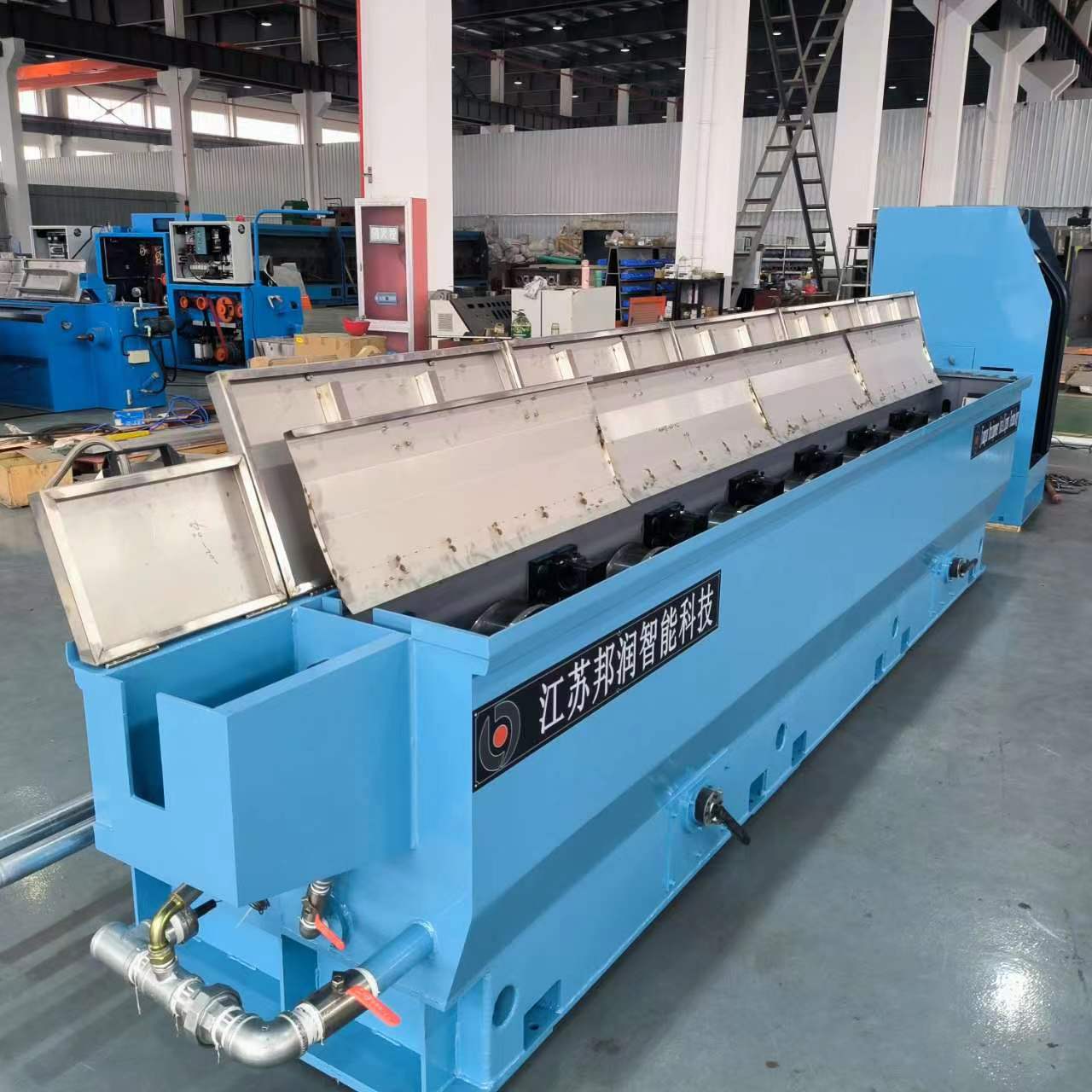
The quality of finished wire products depends fundamentally on how well an electric wire making machine controls every stage of wire forming. Modern industrial cable production requires precise mechanical control, consistent material feed, and real-time monitoring to ensure dimensional accuracy, surface finish, and mechanical properties meet customer specifications. This article explores the core mechanisms that govern wire forming quality and how equipment design directly impacts final product performance.
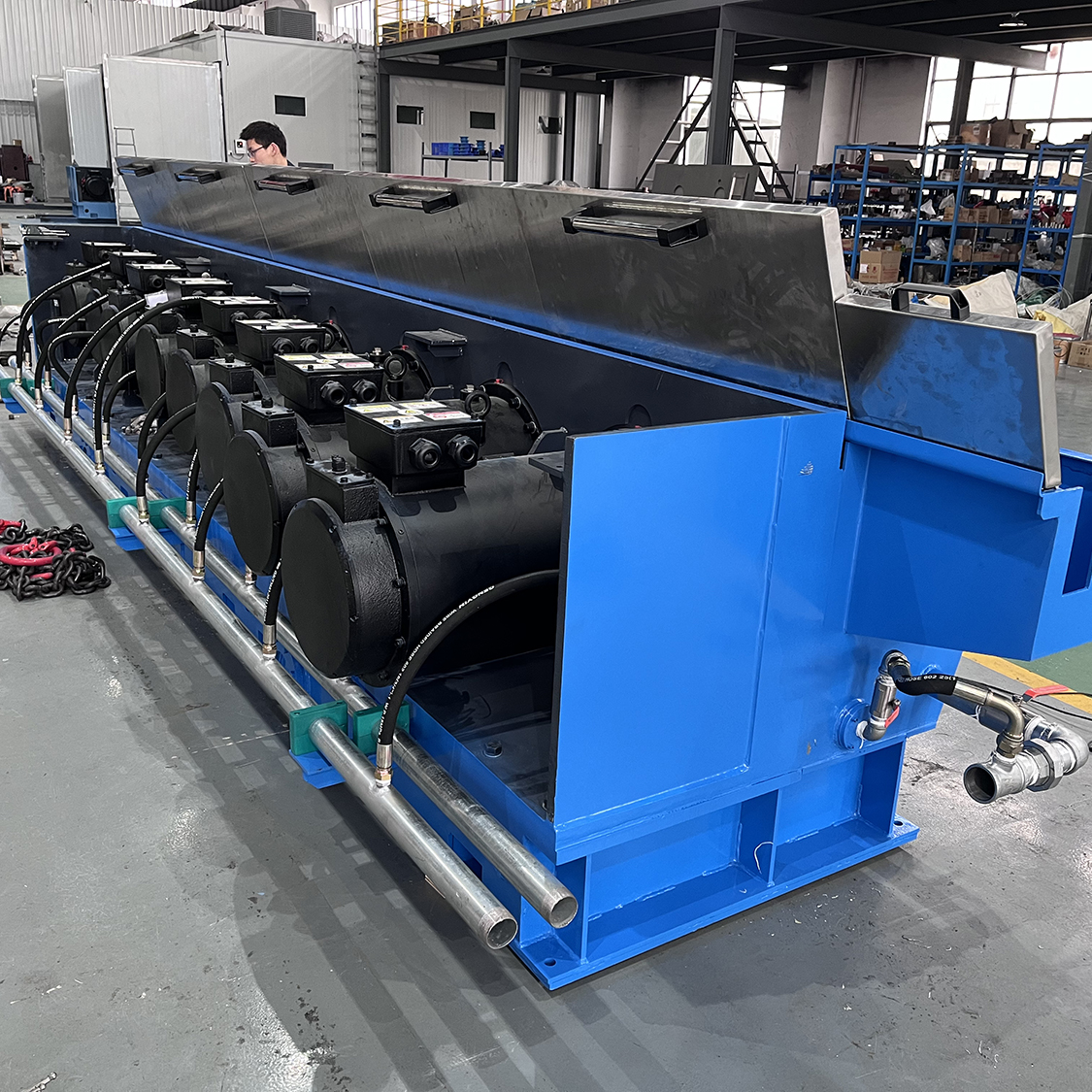
Wire forming quality encompasses diameter consistency, roundness, surface defects, tensile strength, and conductivity retention. The production process begins with raw material selection and extends through multiple drawing stages, annealing operations, and final inspection. Each phase introduces opportunities for drift, contamination, or mechanical variation that degrade finished product quality. Understanding how an electric wire making machine maintains control throughout these stages is essential for manufacturers aiming to deliver reliable, specification-compliant wire to demanding industries including automotive, telecommunications, power distribution, and construction.
Precision Diameter Control in Wire Drawing
Measuring and Adjusting Wire Diameter
Diameter control represents one of the most critical functions in the cable forming process. An electric wire making machine uses continuously calibrated measuring sensors positioned after each drawing die to capture real-time wire diameter data. These sensors provide feedback to automated adjustment systems that fine-tune die cooling, lubrication flow, and drawing tension to maintain diameter within specified tolerance bands. Modern systems achieve diameter consistency of plus or minus 0.05 millimeters or better across entire production runs.
The production process incorporates multiple drawing stages, each progressively reducing raw wire diameter while improving surface quality. Between stages, cooling and tension control prevent work-hardening and thermal stress. An electric wire making machine equipped with closed-loop feedback systems can detect and correct diameter drift before material reaches unacceptable limits, reducing scrap rates and ensuring batch consistency. This automated control distinguishes modern cable forming equipment from older manual or semi-automatic systems that rely on operator judgment and periodic sampling.
Material Feed Rate Synchronization
Consistent material feed ensures uniform stress during cable forming and maintains predictable diameter output across the production process. Electric wire making machine motors drive the unwinding spool at rates precisely matched to drawing die speed and material reduction percentages. Programmable controllers adjust feed rates dynamically based on measured diameter and line speed, preventing sudden feed changes that cause diameter surges or reductions. This synchronization also protects die components from overload and premature wear.
Surface Quality and Defect Prevention
Lubrication Management for Cable Forming
Effective lubrication during the production process minimizes surface scratches, galling, and oxidation that compromise wire appearance and performance. An electric wire making machine regulates lubricant delivery rate, viscosity, and chemical composition based on material type, drawing speed, and die configuration. Contaminated or depleted lubricant generates surface defects that necessitate scrap or rework, directly impacting yield rates and production costs. Advanced systems monitor lubricant condition and alert operators to replacement needs before degradation affects cable forming quality.
The production process also incorporates periodic cleaning and conditioning of drawing dies to prevent buildup of oxidized material and lubricant residue. When die surfaces become compromised, the electric wire making machine transfers these defects to every meter of wire produced until maintenance occurs. Scheduled preventive maintenance windows, triggered by production volume or time intervals, keep die surfaces in optimal condition and maintain consistent surface finish across consecutive production batches.
Cooling and Annealing Integration
Wire becomes work-hardened during the production process as the electric wire making machine repeatedly reduces diameter through successive drawing stages. Intermediate annealing cycles soften the material, relieve internal stress, and prepare it for subsequent drawing without breaking or cracking. Integrated cooling systems maintain precise temperature control during annealing to prevent recrystallization defects that weaken mechanical properties. The cable forming equipment coordinates annealing duration and temperature based on material composition and cumulative reduction percentage.
Mechanical Properties and Strength Control
Tension Management Throughout Production
Drawing tension directly affects mechanical properties such as tensile strength and elongation. An electric wire making machine maintains carefully calibrated tension across each drawing stage to optimize material deformation without inducing fracture or stress concentrations. Tension control also influences final wire roundness and surface quality by ensuring uniform stress distribution across the wire cross-section. The production process continuously monitors and adjusts tension using load cells and feedback from the drawing motor, compensating for material property variations and draw ratio changes.
Excessive tension creates internal stress and premature material failure during cable forming, while insufficient tension allows inconsistent deformation and surface irregularities. The electric wire making machine calculates optimal tension parameters based on wire diameter, material grade, drawing speed, and die geometry. Real-time monitoring ensures tension remains within acceptable bands throughout the production process. This precision prevents wire strength degradation and ensures finished products meet minimum tensile specifications required by customers and industry standards.
Production Speed Optimization
Drawing speed significantly influences wire quality in the production process; faster speeds generate higher heat and require more aggressive lubrication and cooling. An electric wire making machine balances production rate against quality requirements by adjusting speed based on real-time sensor feedback. If diameter or surface quality metrics drift outside tolerance, the system automatically reduces speed to allow stabilization before resuming full-rate production. This dynamic speed adjustment maintains throughput while protecting cable forming quality.
The production process benefits from modern machine controllers that predict quality issues and make preemptive adjustments rather than reacting after defects appear. Advanced electric wire making machine systems incorporate material property databases and historical production data to recommend optimal speed ranges for each material type and diameter combination. Operators receive clear guidance on achievable production rates for specified quality targets, enabling informed decisions about scheduling and capacity planning.
FAQ
How does an electric wire making machine measure wire diameter during production?
Modern equipment uses non-contact laser or eddy current sensors positioned immediately after each drawing die to capture real-time diameter measurements. These sensors transmit data to the machine controller at intervals of one reading per second or faster, enabling rapid detection of diameter drift. The controller compares measured values to target specifications and automatically adjusts die cooling, lubrication, and drawing tension to maintain diameter within tolerance. This continuous feedback loop is fundamental to achieving consistent cable forming quality in the production process.
What role does the electric wire making machine play in preventing surface defects?
The electric wire making machine controls surface quality through precise lubrication management, regular die cleaning, and coordinated drawing speed adjustments. Contaminated or inadequate lubrication during cable forming transfers defects directly to the wire surface. The machine monitors draw die condition and alerts operators to maintenance needs before quality degradation becomes visible. Integrated cooling systems prevent thermal stress that creates surface micro-cracks, ensuring the production process maintains smooth, defect-free wire suitable for critical applications.
Can an electric wire making machine automatically adjust for different wire materials?
Yes, modern electric wire making machines feature programmable controllers that store profiles for different materials and automatically apply optimal parameters when switching materials during the production process. These profiles specify tension ranges, drawing speeds, lubrication types, annealing temperatures, and quality thresholds specific to each material. Operators simply select the desired material from the machine interface, and the cable forming system reconfigures itself accordingly. This automation reduces setup time and ensures new material runs achieve quality targets from the first meters produced.

