 EN
EN



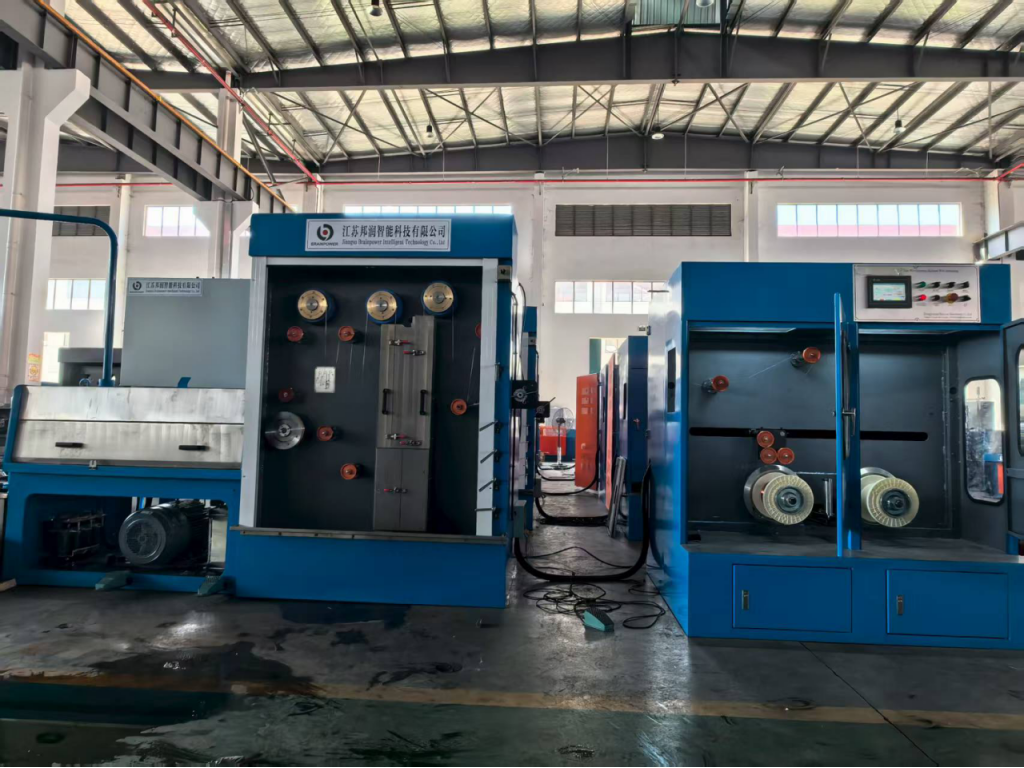
The relationship between annealing temperature and final wire output is one of the most critical factors determining success in modern wire manufacturing. When operators fail to control annealing temperature precisely, they risk producing substandard wire that compromises downstream applications, increases machine downtime, and drives up material waste. A wire drawing machine with annealer allows manufacturers to manage this parameter directly, delivering consistent wire quality and operational efficiency.
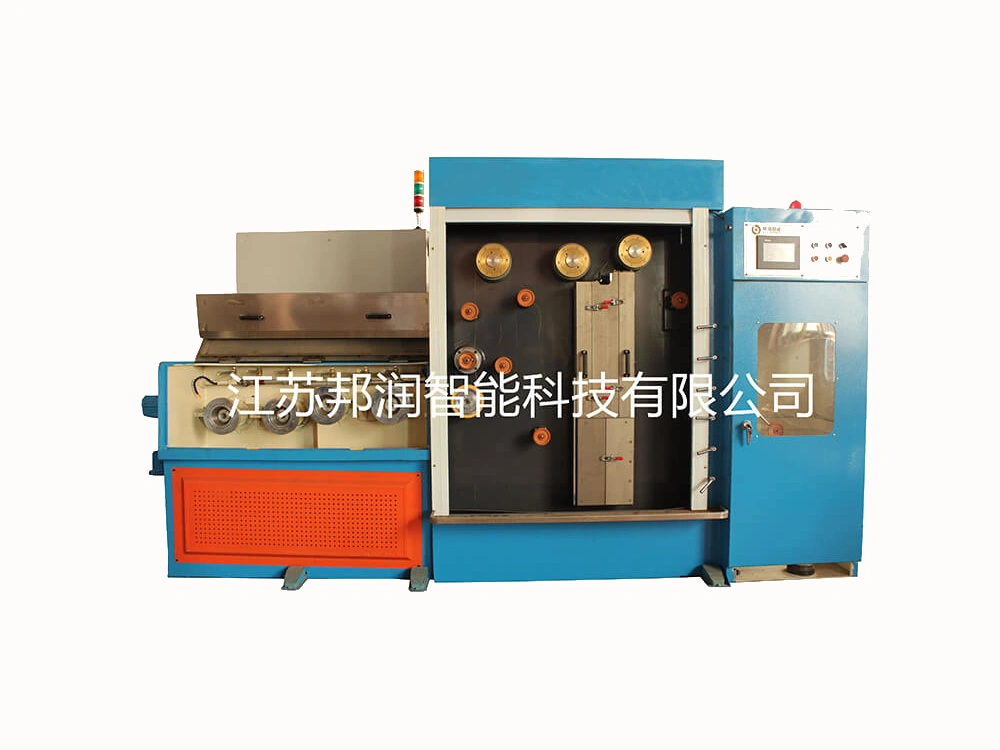
Understanding how annealing temperature influences wire drawing outcomes empowers production managers to optimize machine settings, reduce material losses, and maintain competitive quality standards. The science behind annealing temperature control is straightforward yet powerful. Wire undergoes significant work hardening during the drawing process, which creates brittleness and limits further reduction ratios. Thermal annealing relieves internal stress and restores ductility, but only when temperature is calibrated correctly. Too low, and the metal remains hard and prone to fracture; too high, and grain growth occurs, weakening the final product. This article explores how annealing temperature directly affects wire quality and how integrated annealing systems optimize machine performance.
How Annealing Temperature Controls Wire Strength and Ductility
The Role of Thermal Treatment in Wire Properties
Annealing temperature fundamentally reshapes the metallurgical structure of drawn wire. When metal is drawn through dies, dislocations accumulate and the crystalline lattice becomes distorted, causing the material to harden but also become brittle. Heat application allows atomic mobility, permitting dislocations to move and annihilate, restoring the material to a softer, more workable state. The specific annealing temperature determines how much stress relief occurs and how much the grain structure evolves. Industrial wire drawing requires multiple passes through progressively smaller dies, and annealing between passes is essential. A wire drawing machine with annealer enables this cycle automatically, maintaining precise temperature control throughout production.
Temperature Windows and Material Specifications
Different wire materials demand different annealing temperature profiles. Copper wire typically requires annealing between 200 and 400 degrees Celsius, depending on drawing severity and desired final properties. Stainless steel and high-carbon steel demand higher temperatures, often in the 600 to 900 degree Celsius range. Operating below the optimal window leaves residual hardness, forcing subsequent drawing operations to work harder and creating higher breakage rates. Operating above the window causes excessive softening, reducing wire strength below specification and increasing scrap rates. Precision control of annealing temperature ensures wire quality remains consistent across production batches, eliminating the guesswork that plagues manual thermal management systems.
Impact of Annealing Temperature on Production Efficiency
Machine Downtime and Breakage Reduction
Wire breakage during drawing represents one of the highest sources of production loss in manufacturing facilities. When annealing temperature is incorrect, breakage increases dramatically, forcing machine operators to stop production, clear jams, reset dies, and restart cycles. Each breakage event consumes 15 to 45 minutes of lost output time, plus material scrap costs. A properly calibrated wire drawing machine with annealer reduces breakage incidents by 60 to 80 percent, as the wire enters each drawing stage with consistent mechanical properties. Operators report smoother production runs, fewer interventions, and higher throughput when annealing temperature is held within tight tolerances. This translates directly to lower cost per unit and faster delivery schedules.
Energy Efficiency and Thermal Control
Integrated annealing systems optimize energy consumption by applying heat only when needed and only to the degree required. Standalone annealing furnaces often heat to maximum temperature regardless of wire specifications, wasting energy and creating unnecessary thermal stress on equipment. Modern wire drawing machines with integrated annealing chambers use closed-loop temperature feedback, adjusting heat output in real time to maintain setpoint. This approach reduces energy consumption by 25 to 35 percent compared to conventional batch annealing methods. Additionally, controlled annealing temperature prevents surface oxidation and decarburization, which occur at excessive temperatures and require additional descaling steps. Energy savings compound over thousands of drawing cycles, significantly improving the operational margin of wire manufacturing operations.
Wire Quality Metrics Influenced by Annealing Temperature
Tensile Strength and Elongation Properties
Annealing temperature directly governs the final tensile strength and elongation characteristics of drawn wire. Wire quality specifications often demand specific minimum elongation values, particularly for applications requiring coiling, bending, or high-stress service. If annealing temperature is insufficient, elongation falls short of specification, causing wire to fail tensile tests and creating warranty claims or customer rejections. If temperature exceeds the optimal range, grain coarsening occurs, reducing both tensile strength and elongation simultaneously. A wire drawing machine with annealer equipped with accurate pyrometers and feedback controls maintains annealing temperature within plus or minus 5 degrees Celsius, ensuring wire quality remains consistently above specification minimums. This precision prevents batch rejection and maintains customer confidence in product reliability.
Surface Quality and Drawing Performance
Annealing temperature influences surface oxidation, scale formation, and lubricant interaction during subsequent drawing passes. Wire at optimal annealing temperature emerges with minimal oxide layer, reducing friction in the die and improving drawing speed. Excessive annealing temperature creates thick oxide scale that increases die wear and friction, slowing production and generating visible surface defects. Wire produced at insufficient annealing temperatures remains too hard, requiring higher drawing forces that accelerate die degradation and increase friction heating. Operators using modern integrated annealing systems report smoother wire surfaces, fewer drawing marks, and improved lubricant performance across the full production run. The cumulative effect of improved surface quality reduces post-drawing processing requirements, such as pickling or polishing, further lowering production costs.
FAQ
What happens if annealing temperature is too low?
Wire annealing temperature that falls below the material specification leaves residual hardness and internal stress in the wire. This causes increased breakage during subsequent drawing passes, higher die wear, and poor mechanical properties in the final product. The wire becomes brittle and prone to fracture during handling, coiling, or service, leading to customer complaints and product returns. Operators must either increase drawing force to compensate, risking equipment damage, or restart the annealing cycle, wasting time and energy.
How does excessive annealing temperature affect wire quality?
When annealing temperature exceeds the optimal range, grain growth accelerates and excessive softening occurs, reducing both tensile strength and elongation properties. Wire quality metrics fall below specification, triggering batch rejection. Additionally, thick oxide scale forms on the wire surface, increasing die friction, slowing production speed, and shortening die life. The combination of poor mechanical properties and surface defects makes the wire unsuitable for most industrial applications.
How does a wire drawing machine with annealer maintain consistent annealing temperature?
Integrated annealing chambers use closed-loop feedback systems with pyrometers or thermocouples to monitor wire temperature continuously. The system automatically adjusts heating elements to maintain setpoint temperature within tight tolerances, typically plus or minus 5 degrees Celsius. This precision prevents temperature drift that occurs in batch annealing systems, ensuring every meter of wire receives identical thermal treatment and consistent wire quality throughout production.

