 EN
EN



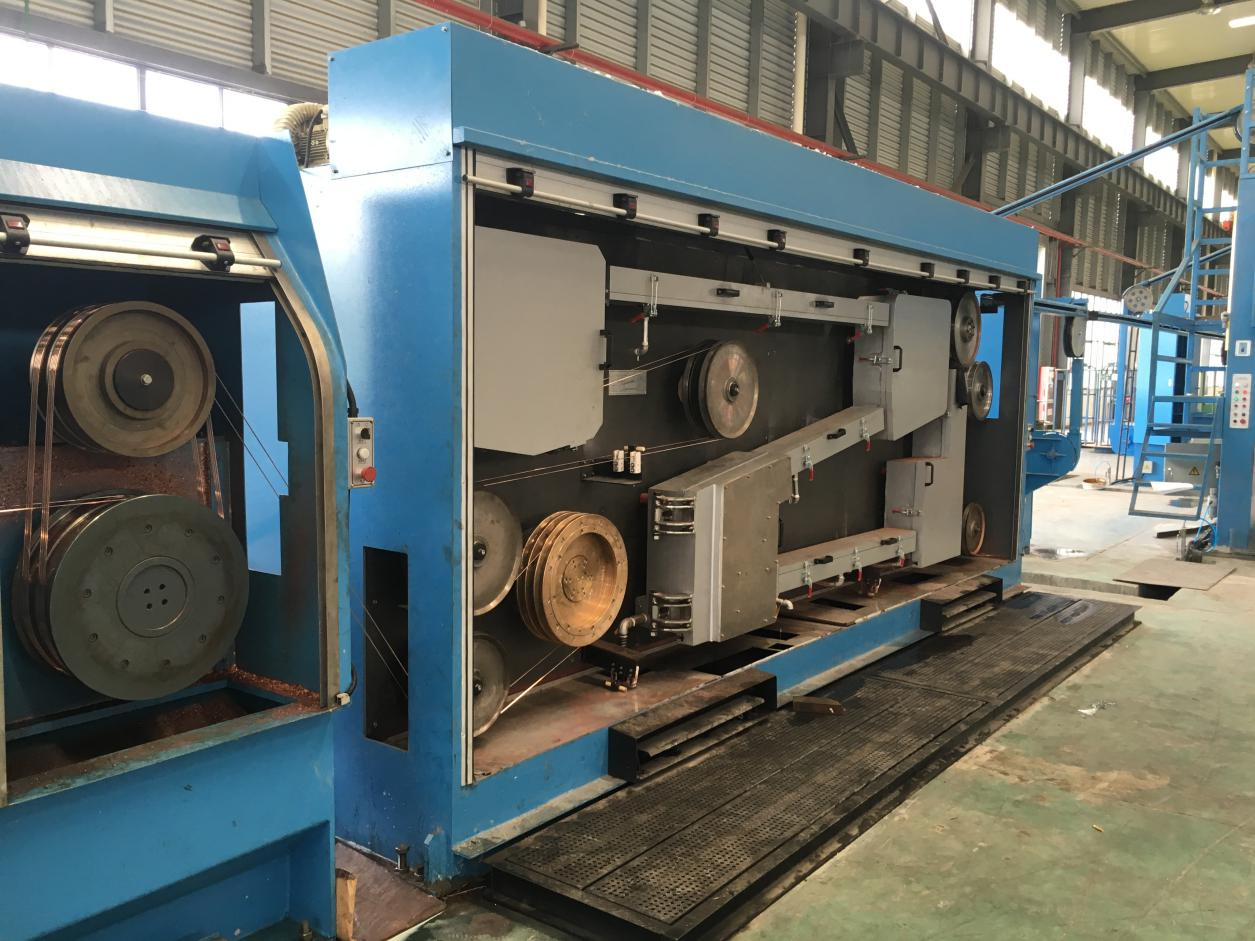
Modern manufacturing requires peak performance from every asset on the production floor. Wire manufacturing equipment stands at the heart of cable and conductor production, yet many facilities operate below optimal capacity. Improving efficiency of wire manufacturing equipment directly impacts profitability, reduces operation cost, and strengthens competitive advantage. This guide explores practical, actionable strategies to maximize performance and transform your production output.
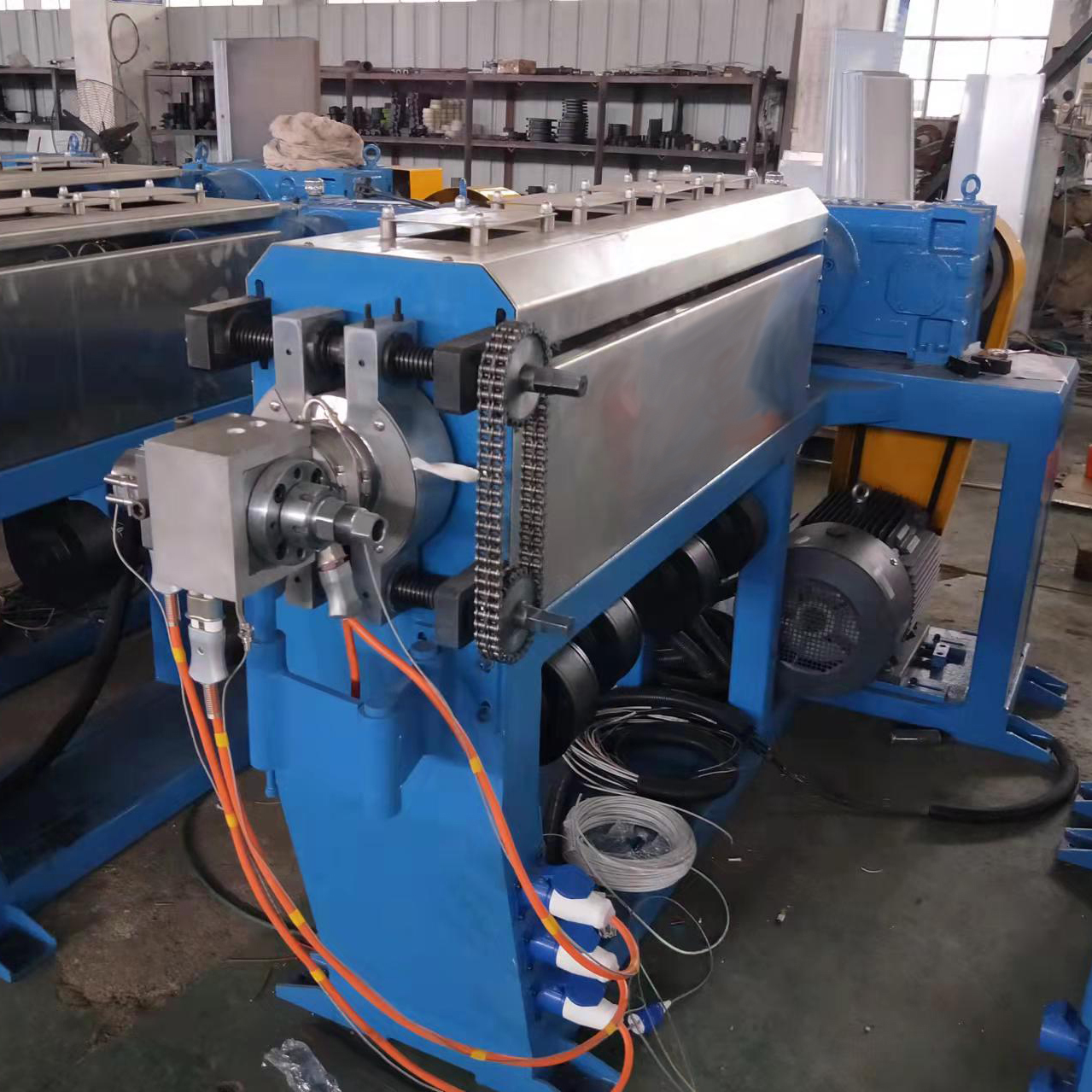
The relationship between equipment efficiency and operational success cannot be overstated. Every percentage point of efficiency gain translates to measurable cost reduction, faster delivery cycles, and improved margins. Understanding how to leverage your wire manufacturing equipment to its fullest potential requires a combination of maintenance discipline, process optimization, and strategic upgrades.
Preventive Maintenance and Equipment Reliability
Scheduled Maintenance Systems
Equipment efficiency declines when machinery operates without proper care. Preventive maintenance is the foundation of sustained performance and reduced operation cost. Establish a detailed maintenance schedule that covers lubrication intervals, bearing inspections, motor assessments, and electrical system checks. Regular monitoring prevents unexpected breakdowns that halt production and create costly downtime. Consistent maintenance extends equipment lifespan, preserves drawing accuracy, and maintains consistent wire quality throughout production runs.
Real-Time Monitoring and Diagnostics
Modern wire manufacturing equipment benefits significantly from continuous monitoring systems. Temperature sensors, vibration analysis, and pressure gauges provide early warning signals of developing problems. Implementing predictive maintenance identifies wear patterns before failure occurs, allowing maintenance teams to plan interventions during scheduled downtime rather than emergency shutdowns. This proactive approach to equipment efficiency reduces unplanned maintenance costs and maximizes productive hours. Digital monitoring systems also document performance data, enabling trend analysis and informed upgrade decisions.
Process Optimization and Operating Parameters
Drawing Speed and Tension Control
Wire drawing speed directly influences both equipment efficiency and product quality. Operating wire manufacturing equipment at optimal drawing speeds minimizes energy consumption while maintaining consistent diameter tolerance and surface finish. Excessive speeds generate heat, increase die wear, and elevate operation cost through accelerated tool replacement. Conversely, speeds below optimal capacity waste available machine capability and reduce throughput. Fine-tuning drawing parameters based on wire diameter, material composition, and target specifications unlocks efficiency gains. Advanced control systems allow operators to adjust tension, speed, and cooling parameters dynamically, adapting to material variations and maintaining peak performance throughout production.
Material Handling and Workflow Integration
Equipment efficiency extends beyond the drawing machine itself to encompassing upstream and downstream processes. Proper coil handling, accurate tension during unwinding, and efficient take-up systems prevent wire defects that require rework. Integrated workflow reduces idle time between production stages and minimizes material handling waste. Coordinating wire manufacturing equipment operation with casting, drawing, and spooling operations creates seamless production flow. This holistic approach to process management increases overall equipment efficiency and reduces operation cost through eliminated bottlenecks and rework cycles.
Upgrades and Technology Integration
Motor and Drive System Modernization
Motor efficiency represents a significant opportunity for reducing operation cost. Older wire manufacturing equipment often uses standard induction motors that operate at 85 to 92 percent efficiency. Upgrading to premium efficiency motors improves electrical conversion, reducing energy consumption by 2 to 5 percent depending on age and usage patterns. Variable frequency drives allow motors to operate at speeds matched to current demand, further reducing energy waste. For facilities running continuous production, these upgrades pay for themselves within 18 to 36 months through electricity savings alone. Modern drive systems also improve equipment efficiency by providing precise speed control and reducing mechanical stress during acceleration and deceleration.
Die and Tool Management
Die condition directly impacts wire manufacturing equipment efficiency and product consistency. Worn dies increase drawing force requirements, elevate motor current draw, and degrade surface finish quality. Implementing systematic die rotation, monitoring wear patterns, and replacing dies at optimal intervals maintains consistent performance. Advanced die materials and coatings extend tool life while reducing friction, which lowers energy requirements and decreases operation cost. Investment in quality dies and rigorous wear tracking ensures that your equipment operates at peak efficiency rather than compensating for degraded tooling with increased power consumption.
FAQ
How frequently should wire manufacturing equipment undergo preventive maintenance?
Preventive maintenance schedules depend on production intensity and equipment specifications. High-volume operations typically benefit from monthly inspections, quarterly deep maintenance, and annual overhauls. Lower-volume facilities may extend intervals to quarterly inspections with semi-annual comprehensive checks. Always consult manufacturer guidelines and track performance data to determine optimal maintenance frequency. Equipment efficiency and operation cost both improve when maintenance occurs consistently on schedule rather than reactively after problems develop.
What is the typical return on investment for upgrading to more efficient wire manufacturing equipment?
ROI varies based on current equipment age, energy costs in your region, and production volume. Upgrading motors, drives, and control systems typically delivers payback within 2 to 4 years through reduced electricity consumption and decreased maintenance costs. Facilities operating at high continuous volumes see faster payback. Beyond financial returns, newer wire manufacturing equipment provides improved product consistency, reduced scrap rates, and better safety performance, making the investment attractive even with moderate financial returns.
Can equipment efficiency improvements reduce defect rates and rework costs?
Yes, directly. Efficient operation of wire manufacturing equipment maintains stable drawing conditions, precise tension control, and consistent cooling, all critical factors in achieving uniform wire diameter and surface quality. Equipment operating below optimal efficiency often produces variable output requiring rework or scrap. Optimizing equipment efficiency eliminates many sources of defects, reduces scrap rates, and lowers operation cost. Additionally, consistent performance reduces customer complaints and returns, protecting revenue while lowering overall production expenses.

