 EN
EN



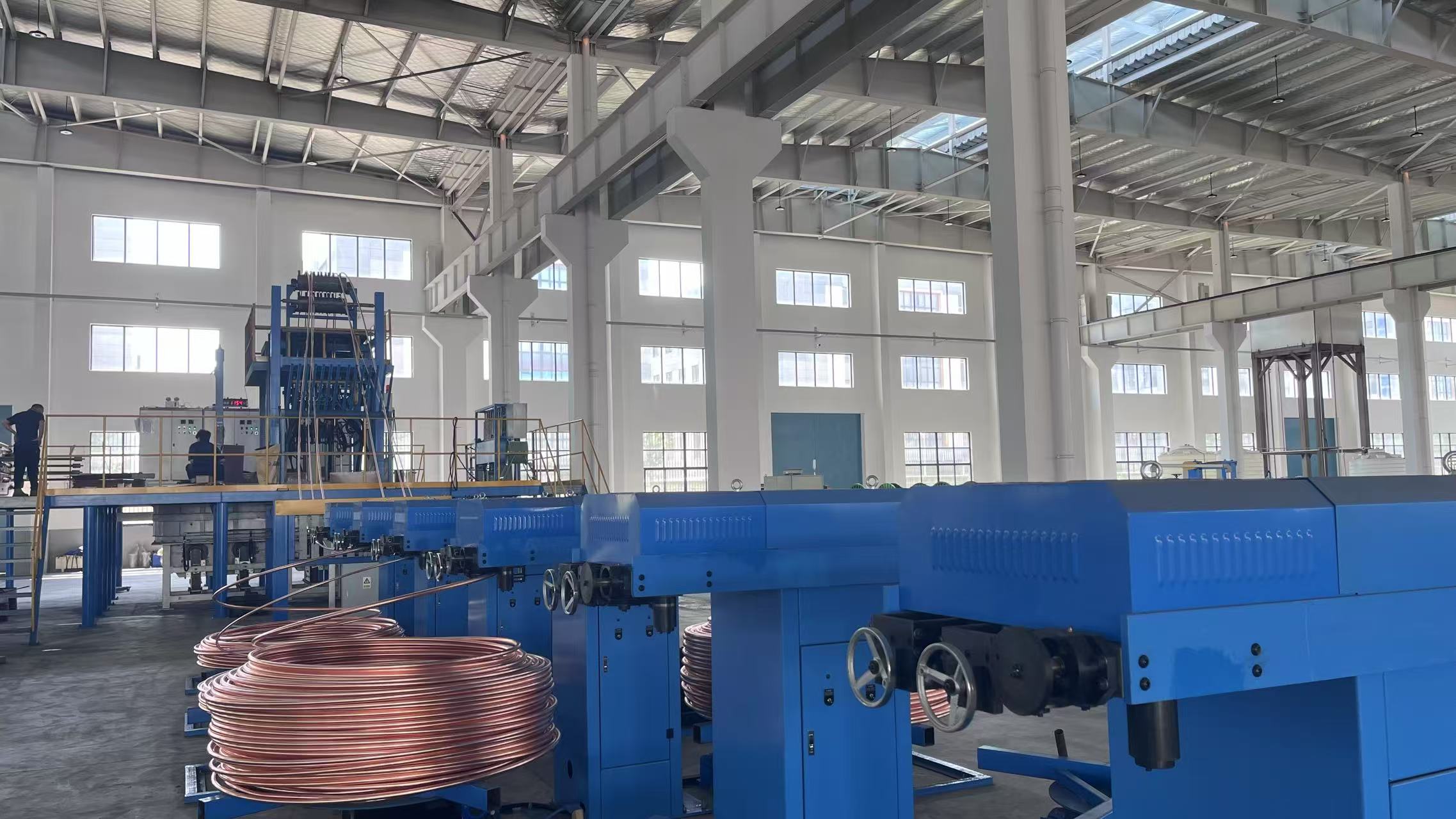
Precision in wire diameter control represents one of the most critical factors in modern manufacturing operations. Whether you operate a wire production machine for electrical applications, telecommunications, or industrial fastening, maintaining exact wire specifications directly impacts product quality, customer satisfaction, and operational profitability. Inconsistent wire diameter leads to rejected batches, increased scrap rates, and damaged reputation in the supply chain.
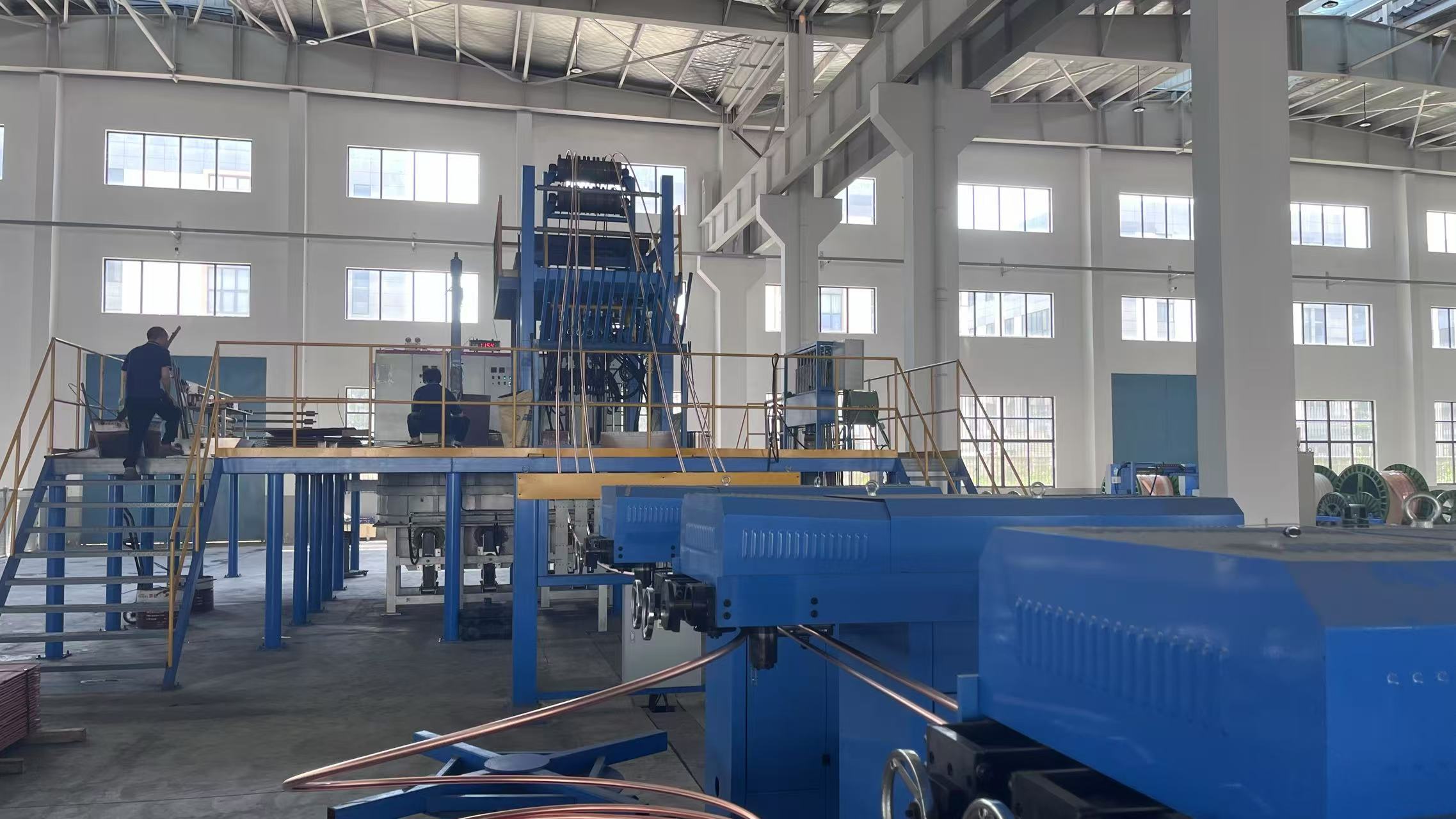
The challenge of achieving optimal wire diameter control becomes more complex as production volumes increase and customer specifications tighten. A wire production machine equipped with advanced monitoring systems and proper calibration protocols can dramatically reduce dimensional variance. This article explores actionable strategies to enhance wire diameter control, minimize production errors, and maximize the efficiency of your manufacturing operation.
Understanding Wire Diameter Control Fundamentals
The Role of Precision in Wire Manufacturing
Wire diameter control directly determines whether your manufacturing output meets contractual specifications and industry standards. Even minor deviations—often measured in fractions of a millimeter—can result in product rejection or performance failures in downstream applications. The wire production machine must maintain consistent tension, temperature, and draw speeds to produce wires within specified tolerance bands.
Manufacturing facilities that prioritize wire diameter control experience fewer customer complaints, reduced rework costs, and improved market reputation. The relationship between diameter precision and production costs is inverse: better control initially requires investment in monitoring technology and operator training, but yields substantial savings through reduced scrap and rework. Understanding this fundamental principle helps justify upgrades to your wire production machine infrastructure.
Key Variables Affecting Wire Diameter
Multiple interdependent variables influence the final wire diameter produced by your wire production machine. Draw force, line speed, temperature, die geometry, and material properties all interact to determine whether the finished wire meets specifications. Manufacturing teams must recognize these dependencies to implement effective wire diameter control strategies that address root causes rather than symptoms.
Material consistency forms the foundation of reliable wire diameter control. Variations in raw material composition, hardness, or moisture content create cascading effects throughout the production process. A well-maintained wire production machine cannot compensate for poor incoming material quality, making supplier partnerships and incoming inspection protocols essential components of any comprehensive diameter control program.
Implementing Advanced Monitoring Systems
Sensor Technology for Real-Time Feedback
Modern wire production machines integrate optical and electromagnetic sensors to measure wire diameter continuously throughout the drawing process. Real-time feedback enables immediate adjustments to draw parameters before out-of-specification material accumulates. These monitoring systems capture diameter data at multiple points along the production line, creating a comprehensive profile of wire diameter consistency and identifying localized problem zones.
Implementing sensor-based wire diameter control reduces human dependency and eliminates measurement lag that characterizes manual inspection. Operators receive instant alerts when diameter drift exceeds acceptable tolerances, enabling proactive intervention rather than reactive sorting. The investment in quality sensor technology pays dividends through improved first-pass yield and reduced manufacturing waste associated with inadequate wire diameter control.
Data Integration and Predictive Analytics
Advanced wire production machines now integrate data collection with machine learning algorithms that predict diameter drift before it occurs. Historical production data, environmental conditions, and equipment performance metrics feed into predictive models that identify emerging issues and recommend preventive maintenance. This proactive approach to wire diameter control transforms quality assurance from a detection function into a prevention function.
Manufacturing teams benefit from consolidated dashboards displaying real-time diameter trends, equipment performance indicators, and predictive alerts. Integration between quality monitoring systems and production scheduling enables data-driven decisions about material batches, production sequences, and preventive maintenance timing. These analytics capabilities transform raw production data into actionable intelligence that directly improves wire diameter control outcomes.
Calibration, Maintenance, and Operator Excellence
Establishing Rigorous Calibration Protocols
Precision starts with accurate calibration of your wire production machine drawing equipment and measurement systems. Dies must be precisely sized according to specifications, with worn dies replaced before they cause systematic diameter drift. Regular verification of measurement equipment against certified standards ensures that quality data accurately reflects actual wire diameter rather than instrument error.
Calibration documentation creates a historical record that demonstrates compliance and helps troubleshoot recurring diameter control issues. Manufacturing facilities should establish scheduled calibration intervals based on equipment usage, environmental conditions, and regulatory requirements. A documented calibration program provides both the operational discipline necessary for consistent wire diameter control and the traceability needed for customer audits and quality certifications.
Preventive Maintenance and Operator Training
Equipment maintenance directly impacts the ability of your wire production machine to maintain wire diameter control. Worn mechanical components, misaligned dies, and degraded drawing surfaces all contribute to dimensional variance. Preventive maintenance programs should include regular inspection of critical components, replacement of consumable items before failure, and functional testing to verify that drawing parameters remain stable.
Operator expertise represents an often-underutilized asset in achieving superior wire diameter control. Well-trained operators recognize subtle changes in machine behavior, make informed adjustments to production parameters, and identify maintenance needs before they cause quality problems. Investing in comprehensive operator training programs—including troubleshooting skills, statistical process control concepts, and equipment-specific knowledge—pays significant returns through improved wire diameter control consistency and reduced production downtime.
FAQ
What causes sudden wire diameter deviations in production?
Sudden diameter changes typically result from die wear, changes in material properties, temperature fluctuations, or mechanical misalignment in the wire production machine. Identifying the specific cause requires systematic investigation: check incoming material consistency, verify machine calibration, inspect draw dies for damage, and examine temperature control systems. Real-time monitoring systems help isolate whether the deviation occurred gradually or suddenly, which indicates whether the cause is wear-related or an acute mechanical failure.
How frequently should wire diameter be measured during production?
Modern manufacturing best practices recommend continuous measurement using automated sensors rather than periodic manual sampling. Automated wire diameter control systems measure at multiple points along the production line, providing comprehensive data every few seconds. If automated systems are not available, manual sampling should occur at least every 30 minutes, with more frequent intervals during setup phases or when producing particularly tight tolerances.
Can wire diameter control improvements reduce material costs?
Yes, improved wire diameter control directly reduces material costs by minimizing scrap rates and rework requirements. When a wire production machine operates within tight tolerance bands, fewer batches require reprocessing or disposal. Additionally, consistent diameter enables optimized die sizing and draw force settings, reducing energy consumption per unit of output. The cumulative cost savings from reduced waste, lower energy usage, and improved material yield often exceed the investment required to implement advanced diameter control systems.

