 EN
EN



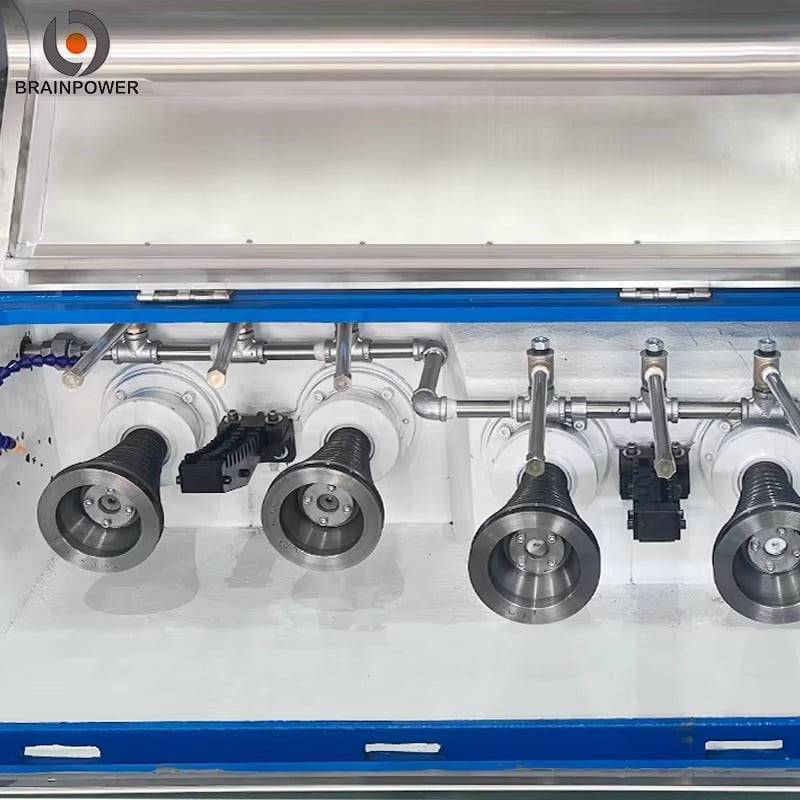
A well-maintained cable production line is the backbone of any successful wire and cable manufacturing operation. When maintenance is neglected, equipment deteriorates rapidly, leading to unexpected breakdowns, production delays, and substantial financial losses. Regular maintenance ensures your cable production line operates at peak efficiency, maintains consistent quality, and delivers reliable production stability for your facility.
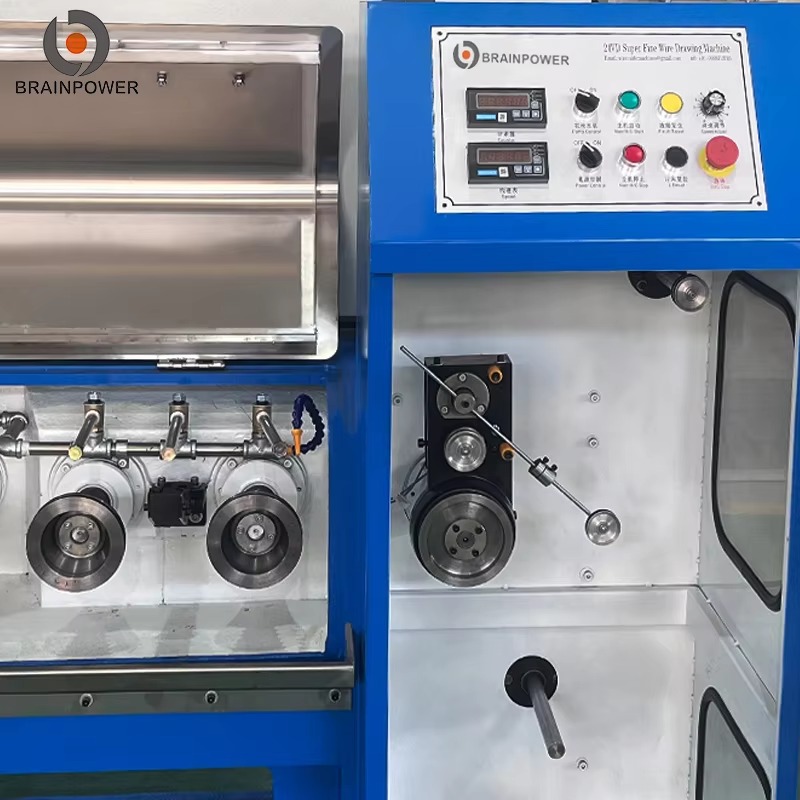
Understanding the critical role of maintenance in cable manufacturing helps operations managers make informed decisions about resource allocation and equipment investments. Every component within a cable production line system—from drawing machines and annealing equipment to cooling systems and packaging units—requires consistent attention to function reliably. By implementing a structured maintenance program, facilities can prevent catastrophic failures, reduce unplanned downtime, and achieve superior production stability across all operational hours.
Why Preventive Maintenance Matters for Cable Production Lines
The Cost of Unplanned Downtime
Unplanned downtime on a cable production line carries severe financial consequences that extend far beyond simple repair costs. When equipment fails unexpectedly, production grinds to a halt, orders miss delivery windows, and customers face service interruptions. The lost revenue from idle production, combined with emergency repair expenses and potential penalty fees, can accumulate to thousands of dollars per hour. Beyond immediate costs, unexpected failures often damage equipment components beyond simple repair, requiring expensive replacement parts and extended recovery periods that further disrupt production stability.
Protection Through Proactive Planning
Preventive maintenance creates a structured schedule that addresses potential issues before they become problems. Regular inspections identify wear patterns, lubrication needs, and component degradation early in the process. This proactive approach allows maintenance teams to plan repairs during scheduled downtime windows, avoiding the chaos and expense of emergency interventions. By monitoring your cable production line consistently, you gather data that informs decisions about component replacement timing, helping avoid both premature retirement and catastrophic failure scenarios.
Key Maintenance Activities for Production Stability
Lubrication and Component Care
Proper lubrication stands as one of the most fundamental maintenance activities for any cable production line. Drawing machines, annealing equipment, and tensioning systems all depend on consistent lubrication to reduce friction, prevent wear, and maintain dimensional accuracy. Without adequate lubrication, metal components experience accelerated wear, leading to slippage, inconsistent wire diameter, and eventual failure. Scheduled lubrication programs specify which components require attention, the type of lubricant needed, and the frequency of application—ensuring production stability through clean, well-maintained equipment.
Electrical and Mechanical System Checks
Cable production lines operate through the coordinated interaction of electrical motors, mechanical drives, sensors, and control systems. Regular inspections of electrical connections verify tight terminals, absence of corrosion, and proper voltage supply to all subsystems. Mechanical checks assess belt tension, pulley alignment, bearing condition, and structural integrity of the frame and support systems. These maintenance routines identify loose connections, worn bearings, and misalignment issues that would otherwise accumulate damage and eventually trigger unplanned shutdowns that compromise production stability.
Implementing Effective Maintenance Systems
Documentation and Scheduling Discipline
Successful maintenance programs depend on clear documentation that tracks every maintenance activity performed on your cable production line. A comprehensive log records what was checked, what was adjusted, what components were replaced, and when the next inspection is due. Digital maintenance management systems allow supervisors to schedule preventive activities during planned downtime windows, coordinate with production schedules, and ensure maintenance teams have adequate resources. This documentation becomes invaluable when troubleshooting unexpected issues, as it provides historical context about previous repairs, component age, and performance trends affecting production stability.
Training and Operator Responsibility
Maintenance effectiveness depends not only on dedicated maintenance staff but also on production operators who spend the most time observing cable production line behavior. Well-trained operators recognize subtle changes in equipment sounds, vibration patterns, and performance characteristics that signal emerging problems. When operators receive training in basic maintenance tasks—checking lubricant levels, cleaning filter screens, tightening accessible fasteners—they can address minor issues before they escalate. Operator involvement creates a shared responsibility culture where everyone contributes to maintaining production stability and preventing costly breakdowns.
Real-World Impact on Manufacturing Operations
Measurable Performance Improvements
Facilities that implement rigorous maintenance programs on their cable production line consistently report measurable improvements in operational metrics. Uptime percentages increase as unexpected failures decrease, allowing more of the scheduled production hours to deliver actual output. Quality consistency improves because well-maintained equipment maintains calibration, tension, and temperature control more reliably. Scrap rates decline as equipment operates within specifications, reducing off-spec wire production that must be reworked or discarded. These improvements translate directly to higher throughput, better profit margins, and stronger customer satisfaction through reliable delivery performance.
Extended Equipment Lifespan
Regular maintenance extends the productive lifespan of every component within your cable production line system. A properly maintained drawing machine can provide reliable service for decades, whereas neglected equipment might fail catastrophically within years. Similarly, annealing furnaces, cooling systems, and control electronics all demonstrate significantly longer operational lives when subjected to disciplined maintenance programs. This extended lifespan provides better return on equipment investments, delays the need for expensive replacements, and supports sustained production stability across economic cycles and market demand fluctuations.
FAQ
How often should a cable production line receive maintenance attention?
Maintenance frequency depends on equipment type, manufacturing volume, and operating conditions, but most cable production lines benefit from daily visual inspections, weekly lubrication checks, monthly detailed examinations, and quarterly comprehensive maintenance cycles. Manufacturers should review their specific equipment documentation and consult with equipment suppliers to establish maintenance schedules aligned with production intensity and component wear rates.
What are the most common cable production line failures that maintenance prevents?
The most frequent failures include bearing wear leading to equipment seizure, lubrication breakdown causing excessive friction and overheating, belt wear and slippage affecting speed consistency, calibration drift reducing dimensional accuracy, and electrical connection corrosion causing intermittent faults. Structured maintenance programs address all these failure modes through regular inspection, lubrication, component replacement, and electrical system verification.
Can operators perform maintenance, or does it require specialized technicians?
Both operators and specialized technicians play important roles in effective maintenance. Operators should be trained to perform basic daily checks like lubricant level verification, visual inspection for obvious damage, and simple cleaning tasks. Specialized technicians handle more complex activities including bearing replacement, electrical diagnostics, control system calibration, and major component overhauls that require advanced skills and specialized tools.

