 EN
EN



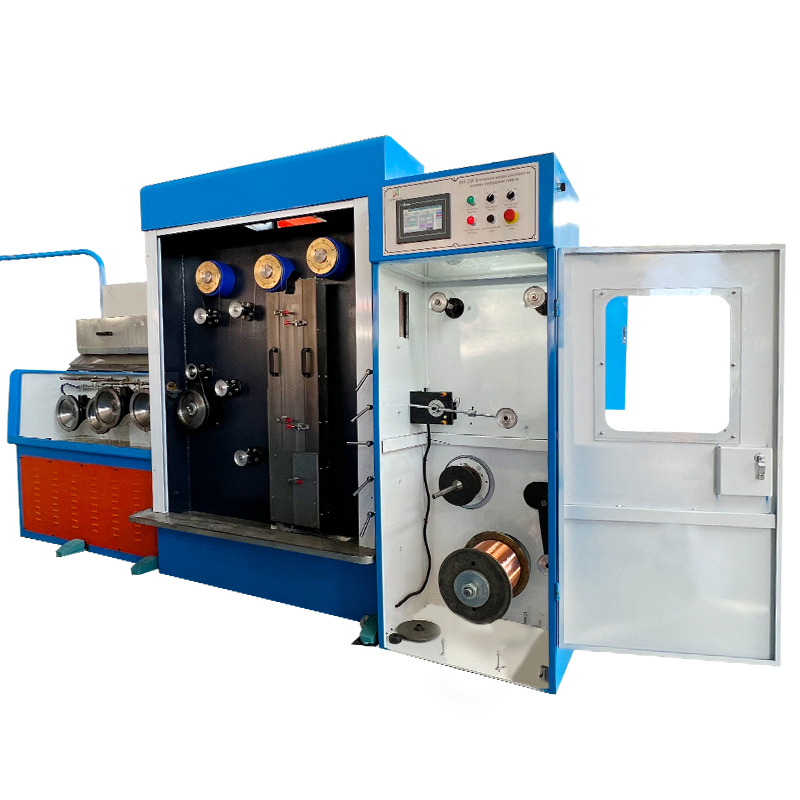
Temperature stability stands as one of the most critical factors determining the success of modern continuous annealing machine operations. In the wire and metal processing industry, maintaining precise thermal conditions throughout the annealing process directly impacts product consistency, mechanical properties, and overall production efficiency. Without stable temperature control, manufacturers face significant risks including inconsistent wire quality, premature equipment failure, and costly production delays. Understanding why temperature stability matters is essential for industrial operators seeking to optimize their processing capabilities and maintain competitive advantage in demanding market conditions.
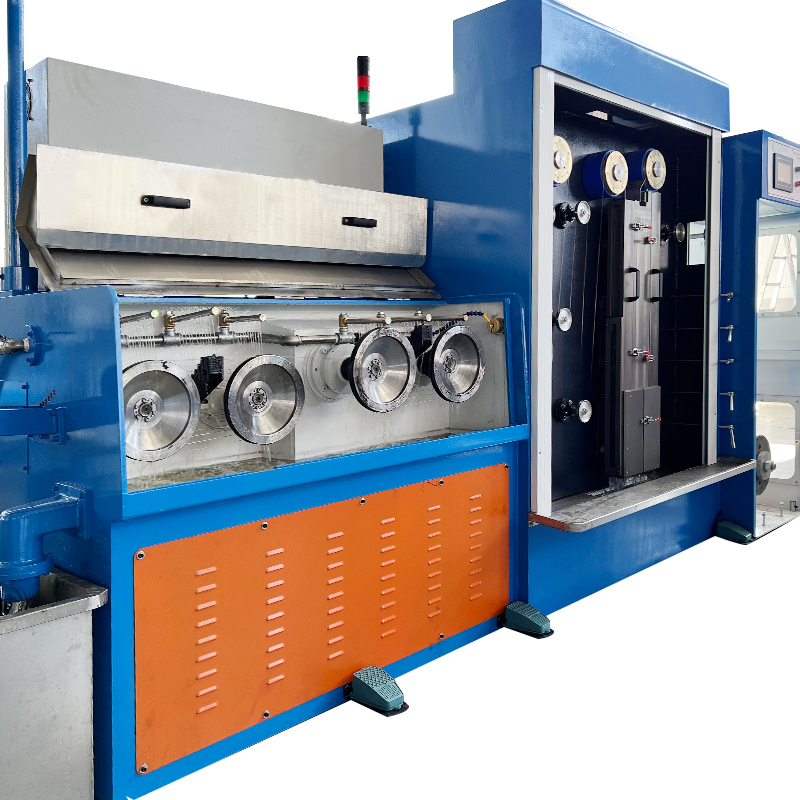
The annealing process fundamentally relies on precise heat management to achieve desired metallurgical transformations. When a continuous annealing machine operates with inconsistent temperatures, the molecular structure of the wire experiences uneven stress relief and recrystallization. This variability compromises the final product's tensile strength, ductility, and surface finish. Industrial producers depend on consistent temperature control to ensure batch-to-batch uniformity and meet stringent specification requirements demanded by downstream applications. Organizations that prioritize thermal stability gain measurable advantages in reduced scrap rates, improved customer satisfaction, and enhanced production predictability.
Metallurgical Impact of Temperature Fluctuations
Wire Quality Degradation and Property Loss
Temperature fluctuations within a continuous annealing machine directly compromise wire quality through uneven grain structure development. When heating zones experience temperature drift, some portions of the wire undergo incomplete stress relief while others experience excessive recrystallization. This creates mechanical property variations along the wire length, resulting in inconsistent tensile strength, reduced elongation, and compromised fatigue resistance. Wire quality suffers further when temperature instability causes surface defects such as oxidation scaling or microcracks. Operators who maintain stable temperature control achieve uniformly refined grain structures, ensuring wire quality remains consistent across entire production runs and meets customer specifications reliably.
Metallurgical Phase Transformation Control
Precise temperature control within the continuous annealing machine enables accurate control of phase transformations essential for desired wire properties. Each metallurgical alloy requires specific temperature profiles to achieve optimal crystalline structure, hardness, and workability characteristics. When temperature control falters, phase transformations become irregular, resulting in undesirable ferrite-pearlite distributions or incomplete austenite recrystallization. The consequences manifest as wire with unpredictable hardness variations, poor cold-drawing performance, and susceptibility to failure under stress. Manufacturers leveraging advanced temperature control systems maintain precise thermal profiles, ensuring reproducible metallurgical transformations and superior wire quality output consistently.
Operational Efficiency and Equipment Longevity
Thermal Stress Reduction on Equipment Components
Temperature stability directly influences the mechanical integrity and operational lifespan of a continuous annealing machine's critical components. When temperature fluctuations occur, heating elements, refractory linings, and structural materials experience cyclic thermal stresses that accelerate fatigue and degradation. Rapid heating and cooling cycles create differential expansion forces that weaken joints, warp furnace geometry, and compromise seal integrity. Equipment subjected to temperature instability requires more frequent maintenance interventions, experiences unexpected downtime, and faces premature component replacement at substantial cost. By maintaining stable temperature control, operators minimize thermal cycling effects, extend equipment service life significantly, and reduce both scheduled and emergency maintenance requirements substantially.
Energy Consumption and Cost Management
Unstable temperature control forces a continuous annealing machine to operate inefficiently, consuming excess energy through repeated heating corrections and temperature recovery cycles. When thermostatic systems cannot maintain steady temperature, heating elements cycle on and off erratically, creating energy waste and operational inefficiency. This fluctuating pattern increases fuel or electricity consumption per ton of processed wire, directly impacting production costs and profit margins. Temperature stability enables the continuous annealing machine to operate at optimal energy efficiency, maintaining consistent heating power without wasteful cycling. Manufacturers implementing robust temperature control systems realize measurable energy savings, reduced operating costs, and improved environmental performance across their operations.
Process Reliability and Production Management
Consistency in Production Output and Customer Satisfaction
Temperature stability within the continuous annealing machine ensures batch consistency that meets customer expectations and compliance requirements. Wire processors serving automotive, electrical, and construction industries face strict specification tolerances where wire quality inconsistencies create rejection risks and damage client relationships. Stable temperature control enables operators to deliver wire with uniform mechanical properties, ensuring customers receive reliable feedstock for their manufacturing processes. Consistent output reduces quality disputes, warranty claims, and replacement shipments that damage profitability and reputation. Organizations that prioritize temperature stability gain competitive differentiation through superior product reliability and become preferred suppliers within their supply chains.
Predictability and Production Planning Optimization
When a continuous annealing machine maintains stable temperature control, production outcomes become predictable and repeatable, enabling accurate planning and scheduling. Operators can confidently project production rates, material yields, and quality metrics, allowing better coordination with downstream processing and customer delivery schedules. Temperature instability creates unpredictable scrap rates, rework requirements, and processing delays that disrupt production schedules and complicate inventory management. Reliable temperature control enables lean manufacturing practices, just-in-time material delivery coordination, and efficient capacity utilization. This operational reliability transforms the continuous annealing machine into a dependable production asset rather than a source of schedule disruptions and uncertainty.
FAQ
What specific temperature range should a continuous annealing machine maintain for optimal results?
The ideal temperature range for a continuous annealing machine depends on wire composition and desired properties, typically varying between 650–900 degrees Celsius for steel wire applications. Different alloys and final use applications require distinct thermal profiles to achieve optimal mechanical properties. Copper and aluminum wire often require different temperature windows than ferrous materials. Manufacturers should consult material specifications and conduct process trials to establish precise temperature requirements for their specific applications. Working with equipment suppliers to program accurate temperature setpoints ensures the continuous annealing machine operates within the optimal thermal window for consistent wire quality.
How does temperature control technology impact continuous annealing machine performance?
Advanced temperature control systems using proportional-integral-derivative technology and real-time thermal monitoring significantly improve continuous annealing machine stability and responsiveness. Modern systems employ multiple thermocouples positioned throughout heating zones to detect and correct temperature deviations before they affect wire quality. Automated feedback loops adjust heating element power within milliseconds, maintaining temperature within tight tolerances typically better than plus-or-minus five degrees Celsius. Integrated data logging enables operators to track temperature performance, identify drift patterns, and schedule preventive maintenance proactively. Investing in sophisticated temperature control upgrades transforms continuous annealing machine reliability and enables consistent achievement of demanding wire quality specifications.
What production problems result from poor temperature stability in continuous annealing machines?
Poor temperature stability causes multiple costly production problems including inconsistent wire mechanical properties, increased scrap rates, customer quality rejections, and accelerated equipment wear. Temperature fluctuations create wire strength variations that cause failures during customer processing or end-use applications, damaging supplier reputation. Uneven heating accelerates refractory degradation, heating element burnout, and structural warping that require expensive emergency repairs and unplanned downtime. Operators struggle to achieve repeatable production performance, making capacity planning difficult and customer delivery commitments uncertain. The cumulative impact of temperature instability reduces profitability significantly, making investment in stable temperature control systems highly justified from both operational and financial perspectives.

