 EN
EN



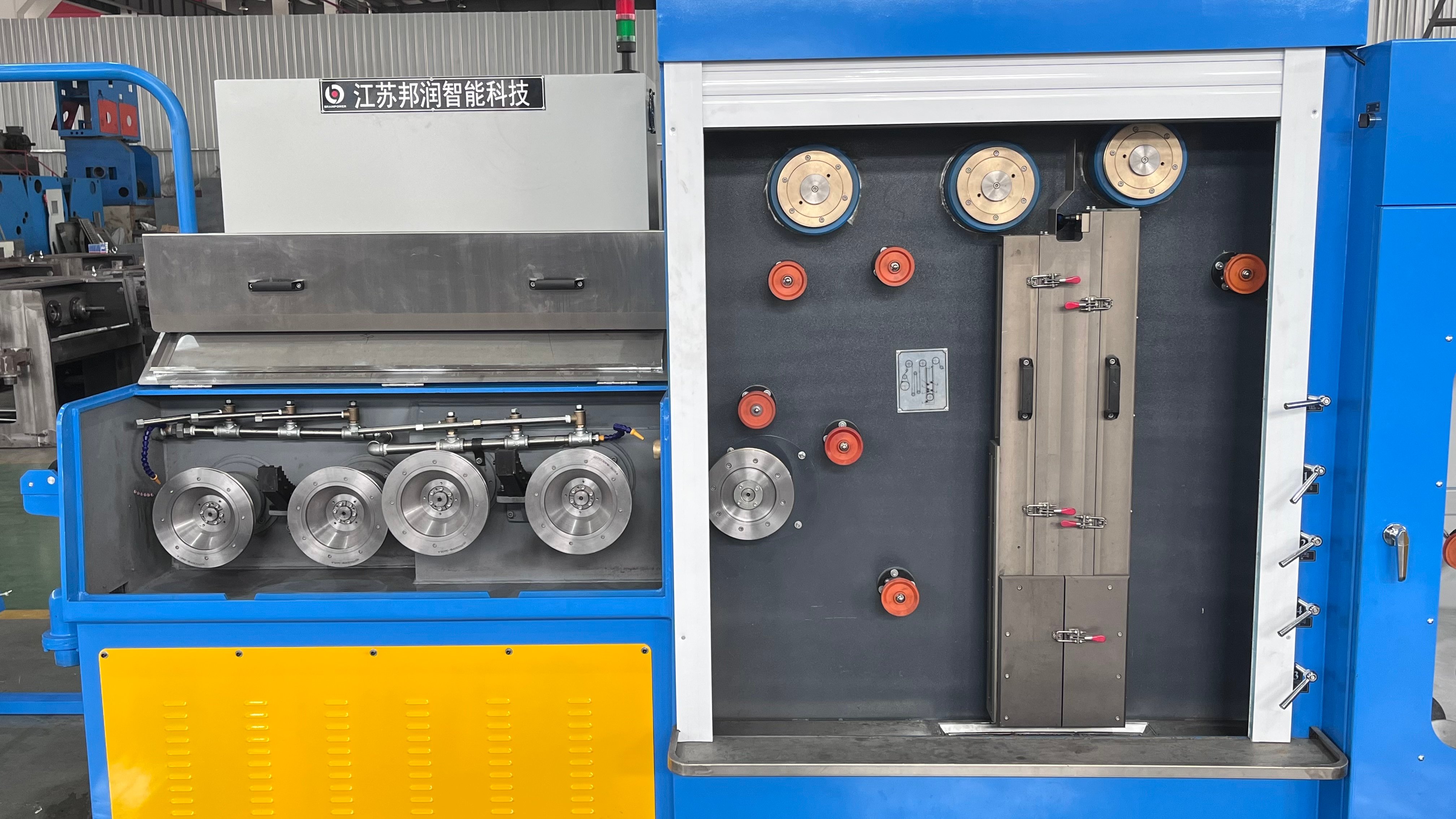
A rod breakdown machine is critical to consistent, high-quality wire rod processing in cable manufacturing and metalworking operations. Production stability directly impacts profitability, waste reduction, and customer satisfaction. When your equipment operates reliably and consistently, you achieve better dimensional accuracy, reduced downtime, and improved throughput across your entire wire rod processing workflow.
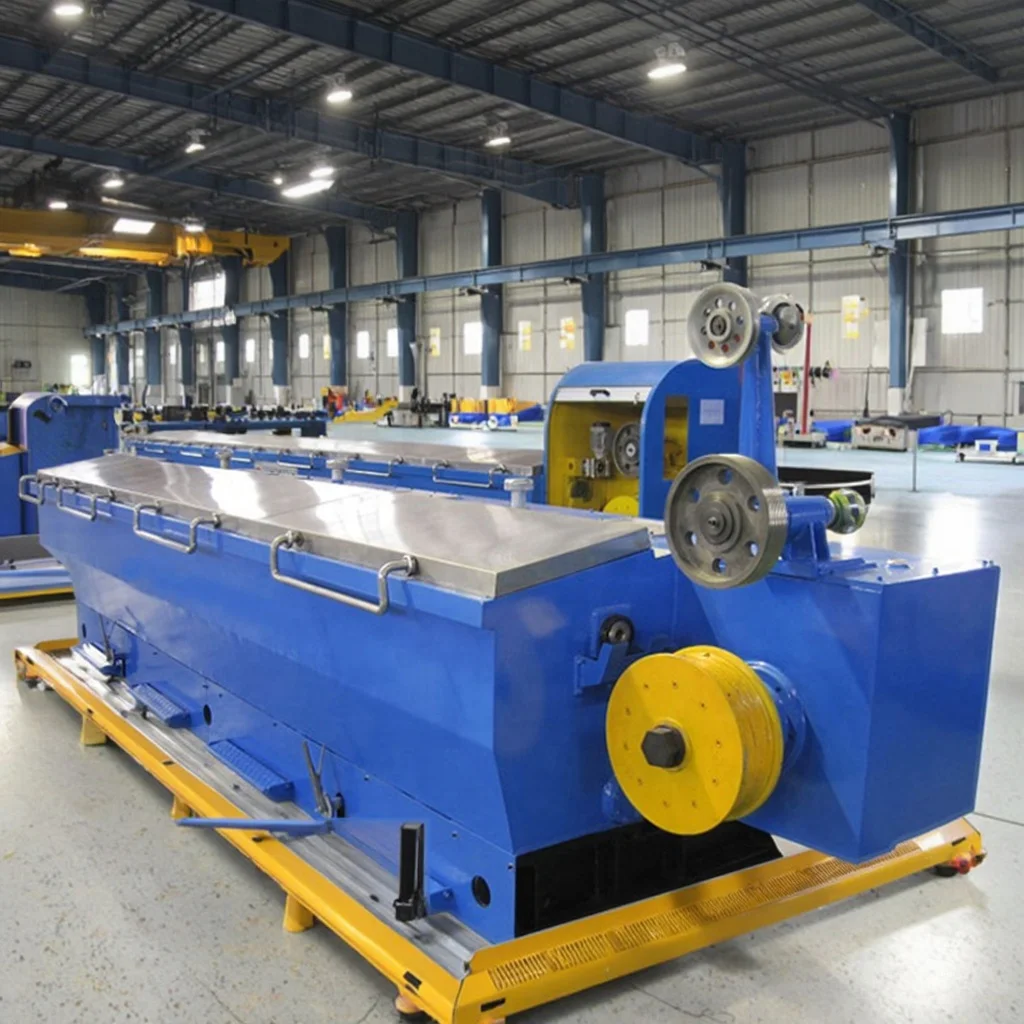
Achieving stable production performance requires a combination of preventive maintenance, operational discipline, and strategic equipment management. Many manufacturers struggle with inconsistent output, tool wear, material feed problems, and mechanical drift that undermine drawing consistency and final product quality. This guide explores the core factors that drive rod breakdown machine stability and provides actionable strategies to optimize your wire rod processing operations.
Understanding Root Causes of Production Instability
Mechanical Wear and Alignment Issues
The mechanical foundation of your drawing equipment directly affects production consistency. When pulleys, dies, bearings, and drive components experience wear, tolerance drift occurs, leading to dimensional variation and inconsistent tension during wire rod processing. Misalignment between feed rollers and drawing dies introduces lateral stress that accelerates tool failure and produces off-specification material. Regular measurement and correction of alignment prevents cascading wear patterns that compound over time.
Spindle runout, bearing play, and worn guides all contribute to vibration that compromises drawing precision. These issues become more pronounced during high-speed operation when inertia magnifies small mechanical defects. Establishing baseline measurements using dial indicators and laser alignment tools helps you identify drift before it affects product quality. Addressing wear proactively maintains the geometric accuracy necessary for stable rod breakdown machine performance throughout extended production runs.
Material and Feedstock Variability
Wire rod processing depends on consistent input material characteristics. Variations in incoming rod diameter, hardness, surface quality, and straightness create downstream instability in drawing operations. When feedstock properties fluctuate, drawing force requirements change unpredictably, forcing operators to adjust tension settings that then affect dimensional accuracy and surface finish. Establishing supplier specifications and incoming inspection protocols reduces this variability at the source.
Surface contamination, scale, and oxidation on incoming material increase die pressure and accelerate tool wear, compromising the stability of subsequent drawing cycles. Cleaning and conditioning processes that remove scale and normalize surface properties improve feed consistency and reduce drawing force spikes. Material hardness variation also affects drawability and requires compensatory adjustments to speed and tension that disrupt production rhythm and introduce operator-induced variation.
Preventive Maintenance and Equipment Optimization
Systematic Preventive Maintenance Protocols
A structured preventive maintenance schedule is fundamental to maintaining rod breakdown machine stability. Daily inspections of die condition, coolant quality, bearing temperature, and drive component function identify emerging problems before they escalate into production disruptions. Weekly deep cleaning of feed mechanisms, guide rails, and tension sensors removes material buildup that gradually reduces accuracy and increases friction. Monthly alignment checks and component replacement on a planned cycle prevent the sudden failures that cause unscheduled downtime and quality loss.
Documentation of maintenance activities creates a performance history that reveals patterns and failure modes specific to your equipment and operating conditions. Tracking die life, bearing replacement intervals, and coolant consumption helps you forecast maintenance needs and schedule work during planned production gaps. Predictable maintenance cycles improve overall production stability by eliminating surprise breakdowns that disrupt wire rod processing schedules and force costly expedited repairs.
Die Selection and Management
Die performance directly determines drawing stability and surface quality. Selecting dies with appropriate hardness, surface finish, and sizing for your specific material and target dimensions reduces variation in drawing force and dimensional output. Worn dies require higher drawing pressure to achieve the same reduction, creating inconsistent tension that affects subsequent drawing passes and final dimensional tolerance. Establishing die replacement criteria based on reduction cycles rather than calendar time ensures you change tools when they have genuinely degraded performance.
Proper die seating and consistent replacement procedures prevent misalignment that introduces dimensional runout and inconsistent surface contact during wire rod processing. Training operators on correct die installation, pressure application, and verification procedures reduces installation-induced problems. Monitoring die condition through periodic dimensional checks catches wear progression early, allowing planned replacement before catastrophic failure affects product quality and production throughput.
Operational Controls and Process Stability
Speed and Tension Management
Consistent drawing speed and tension are critical to stable production output from your rod breakdown machine. Speed variations introduce changes in material flow rate and drawing force that cascade into dimensional variation. Electronic speed control systems with closed-loop feedback maintain consistent surface speed despite changes in material hardness or die wear, reducing operator adjustment frequency and improving dimensional consistency in wire rod processing. Running at optimal rather than maximum speed often improves overall stability and product quality.
Tension control systems that automatically compensate for material and equipment variables eliminate manual adjustment cycles that introduce variation. Properly calibrated tension sensors provide real-time feedback that allows the system to maintain optimal drawing conditions throughout extended production runs. Setting conservative tension limits and monitoring trend data helps identify when dies are wearing and approaching replacement threshold before drawing instability becomes visible in product quality.
Coolant and Lubrication Optimization
Coolant quality directly impacts drawing stability and tool life. Contaminated or degraded coolant increases friction, accelerates die wear, and creates surface finish problems that compromise product performance. Maintaining coolant concentration within specification, regular filtration to remove metal fines, and periodic complete coolant changes prevent gradual performance degradation. Using coolant formulations optimized for your specific materials and drawing speeds improves drawing consistency and extends die life.
Temperature control of the coolant supply ensures consistent drawing conditions. Cold coolant increases viscosity and reduces cooling efficiency, while hot coolant breaks down faster and loses lubricity. Maintaining coolant temperature within a narrow band using chiller systems reduces thermal-induced variation in material properties and drawing force. Proper coolant management represents a cost-effective investment that significantly improves rod breakdown machine stability and reduces waste from off-specification product.
FAQ
How often should I inspect dies in my rod breakdown machine?
Dies should be visually inspected daily for chips, deposits, and visible wear. Dimensional measurement of dies should occur weekly for high-volume wire rod processing operations or after every die change. More frequent inspection during initial production runs helps establish baseline wear rates specific to your materials and operating conditions. Once wear patterns stabilize, measurement frequency can be adjusted accordingly while maintaining regular visual checks.
What role does coolant play in drawing equipment stability?
Coolant serves three critical functions in wire rod processing: lubrication of the die and material, heat removal from the drawing zone, and surface finish improvement. Degraded or contaminated coolant fails in all three functions, increasing drawing force, accelerating die wear, and creating surface defects. Maintaining proper coolant concentration, temperature, and cleanliness is one of the most cost-effective ways to improve rod breakdown machine production stability and consistency.
Can equipment alignment drift affect wire rod processing quality?
Yes, even small alignment drift significantly impacts drawing quality and production stability. Misalignment increases stress on dies and bearings, accelerates wear, creates dimensional runout, and produces surface finish problems. Regular alignment verification using precision tools helps maintain consistent part quality and extends equipment life. Alignment checks should be part of your preventive maintenance routine, especially after component replacement or extensive production runs.

