 EN
EN



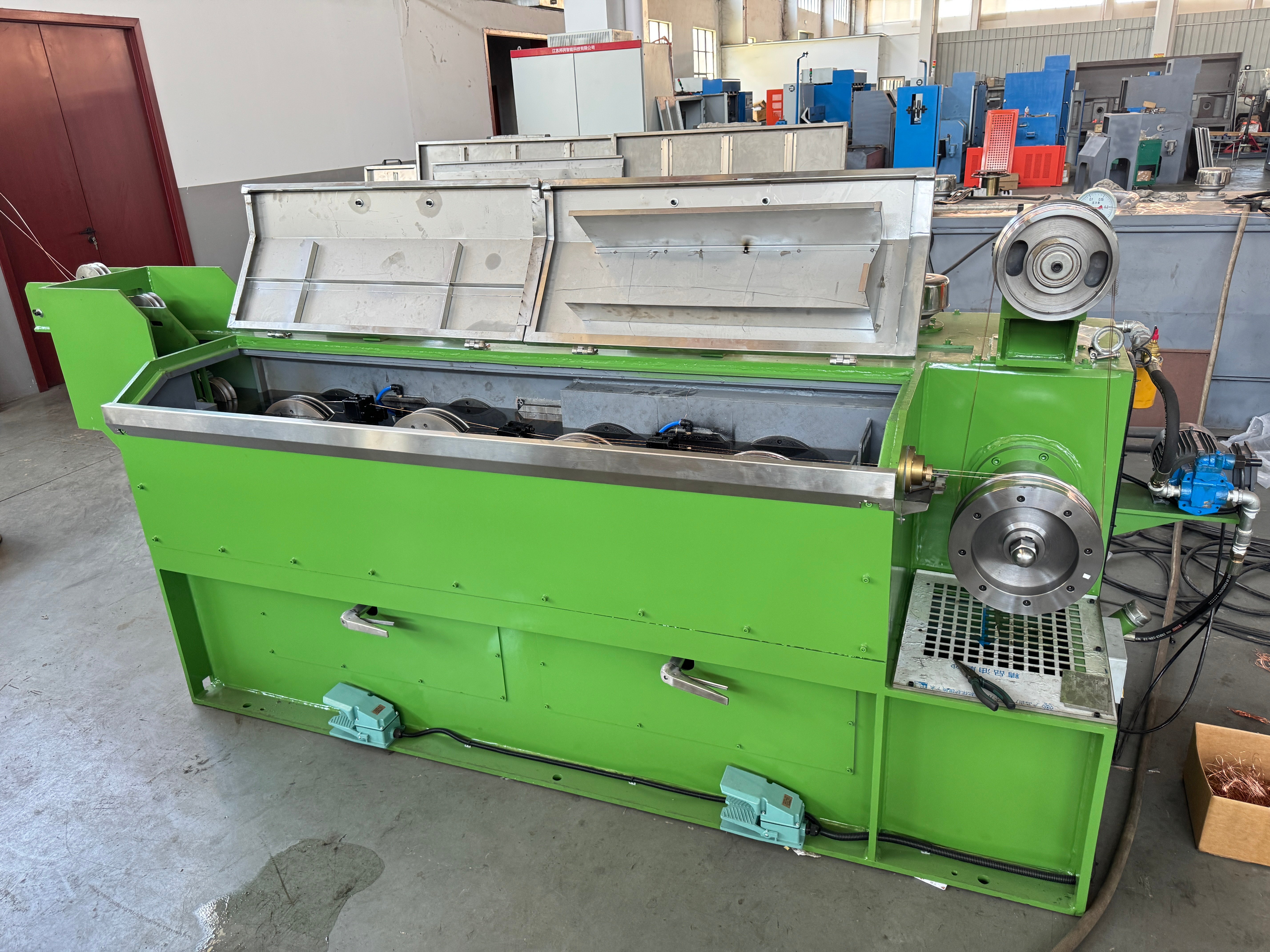
Manufacturing high-quality aluminum wire requires precision, consistency, and expert control of every production stage. An aluminum wire drawing machine is the cornerstone of this process, converting raw aluminum into uniform, defect-free conductor material ready for industrial and commercial applications. The quality of your finished aluminum conductor directly reflects the operational excellence of your drawing equipment and the controls you maintain throughout production.
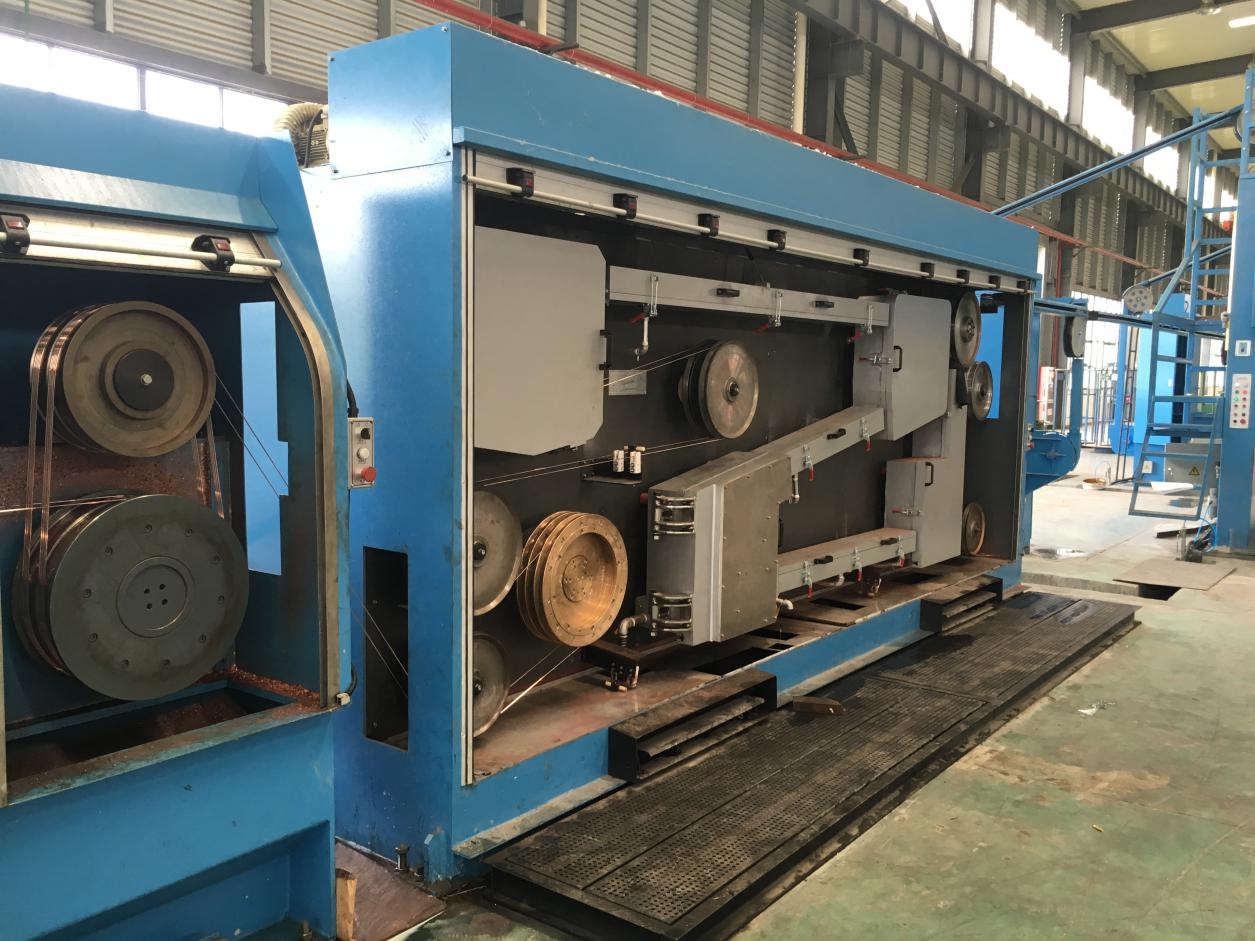
Quality improvements in aluminum wire production are not accidental—they result from systematic process control, equipment optimization, and continuous monitoring. Organizations that master these fundamentals achieve superior output consistency, reduce waste, lower rejection rates, and strengthen their competitive advantage. This guide explores the essential strategies for maximizing production quality with an aluminum wire drawing machine.
Optimize Die Design and Material Specifications
Selecting the Right Die Configuration
The die is the critical interface where raw aluminum stock transforms into finished conductor. Die geometry directly determines wire surface quality, dimensional accuracy, and mechanical properties. An aluminum conductor produced through improperly designed dies will exhibit surface irregularities, micro-fractures, or inconsistent cross-sections, all of which compromise electrical performance and downstream processing. Investment in precision-engineered dies matched to your specific aluminum wire drawing machine specification ensures that every pass produces consistent, defect-free material.
Die wear monitoring is equally important. As dies age, surface finish deteriorates gradually, transferring microscopic defects to the aluminum conductor. Establishing a preventive replacement schedule based on production volume and material throughput prevents quality degradation before it affects your output. Many leading manufacturers replace dies before visible wear appears, maintaining consistent surface quality across all production batches.
Aluminum Stock Purity and Preparation
The aluminum feedstock entering your aluminum wire drawing machine directly influences final quality. High-purity aluminum with minimal oxide inclusions and contaminants produces smoother conductor material with better electrical properties. Pre-drawing inspection and filtration of incoming aluminum stock removes foreign particles that could cause surface defects or equipment damage. Surface cleaning and conditioning treatments prepare the material for optimal lubricant adhesion and die engagement, improving the consistency of your aluminum conductor output.
Implement Rigorous Process Control Measures
Speed and Tension Management
Precise process control is fundamental to consistent aluminum conductor quality. Drawing speed must be optimized for your specific aluminum wire drawing machine—running too fast causes material stress and surface irregularities, while insufficient speed wastes production capacity without delivering quality benefits. Tension management across the drawing stages ensures uniform material elongation and prevents wire breakage or uneven diameter distribution.
Modern process control systems continuously monitor drawing parameters and automatically adjust speed and tension within preset tolerances. This real-time feedback loop prevents deviation before it impacts output quality. Organizations implementing automated process control on their aluminum wire drawing machine typically report significant reductions in defect rates and improved dimensional consistency compared to manual parameter adjustment.
Lubrication and Cooling Strategy
Effective lubrication reduces friction between the aluminum conductor and the die, lowering heat generation and preventing surface damage. Specialized drawing compounds designed for aluminum wire drawing machines must be applied consistently and maintained at optimal concentration. Temperature control during drawing is equally critical—excessive heat can cause aluminum softening and loss of mechanical properties, while insufficient cooling increases die wear and surface defects.
Regular lubrication system maintenance ensures proper fluid delivery, filtration, and temperature stability throughout production. Contaminated or degraded lubricant compromises the drawing process and transfers particulates to your aluminum conductor, requiring additional finishing steps to meet quality standards. Many manufacturers implement automated lubrication monitoring on their aluminum wire drawing machine to maintain optimal fluid conditions continuously.
Establish Quality Assurance and Continuous Monitoring
In-Process Quality Inspection
Real-time diameter measurement, surface inspection, and electrical property testing detect quality deviations immediately, enabling rapid process correction before significant material waste occurs. Modern inspection systems integrated with aluminum wire drawing machine controls provide continuous feedback on dimensional accuracy and surface finish. Defects caught early in the production run prevent downstream processing costs and protect product reputation.
Establishing specification limits for tensile strength, elongation, electrical conductivity, and surface roughness creates measurable quality benchmarks for every aluminum conductor batch. Documentation of these measurements creates traceability records essential for quality verification and customer compliance, particularly in aerospace and electrical utility applications where conductor performance is mission-critical.
Equipment Maintenance and Calibration
Preventive maintenance schedules keep your aluminum wire drawing machine operating at peak efficiency and consistency. Regular calibration of tension sensors, speed measurement devices, and inspection equipment ensures measurement accuracy. Worn components introduce inconsistencies that degrade output quality gradually—systematic replacement of bearings, drive belts, and pulleys maintains equipment precision and prevents unexpected quality failures.
Operator training on proper equipment operation, parameter adjustment, and troubleshooting procedures is essential for sustained quality performance. Well-trained personnel recognize early warning signs of equipment drift or material anomalies and take corrective action before serious quality issues develop. Regular skill updates on new process control technologies and quality standards keep your team aligned with industry best practices.
FAQ
What causes surface defects in aluminum conductor produced on a wire drawing machine?
Surface defects typically result from worn dies, inadequate lubrication, improper drawing speed, contaminated feedstock, or inadequate cooling during the drawing process. Regular die inspection, consistent lubrication system maintenance, and proper process control settings minimize these issues and ensure smooth aluminum conductor output.
How does process control improve aluminum wire drawing machine output quality?
Automated process control systems maintain drawing speed, tension, and lubrication within precise tolerances, preventing the parameter drift that causes defects. Real-time monitoring detects deviations immediately, enabling rapid adjustment before quality is compromised. This consistency improves aluminum conductor dimensional accuracy, surface finish, and mechanical properties.
How often should dies be replaced on an aluminum wire drawing machine?
Die replacement frequency depends on material volume processed, aluminum alloy composition, and target quality specifications. Many manufacturers establish preventive replacement schedules based on production tonnage rather than waiting for visible wear, ensuring consistent aluminum conductor quality across all batches and preventing unexpected downtime.

