 EN
EN



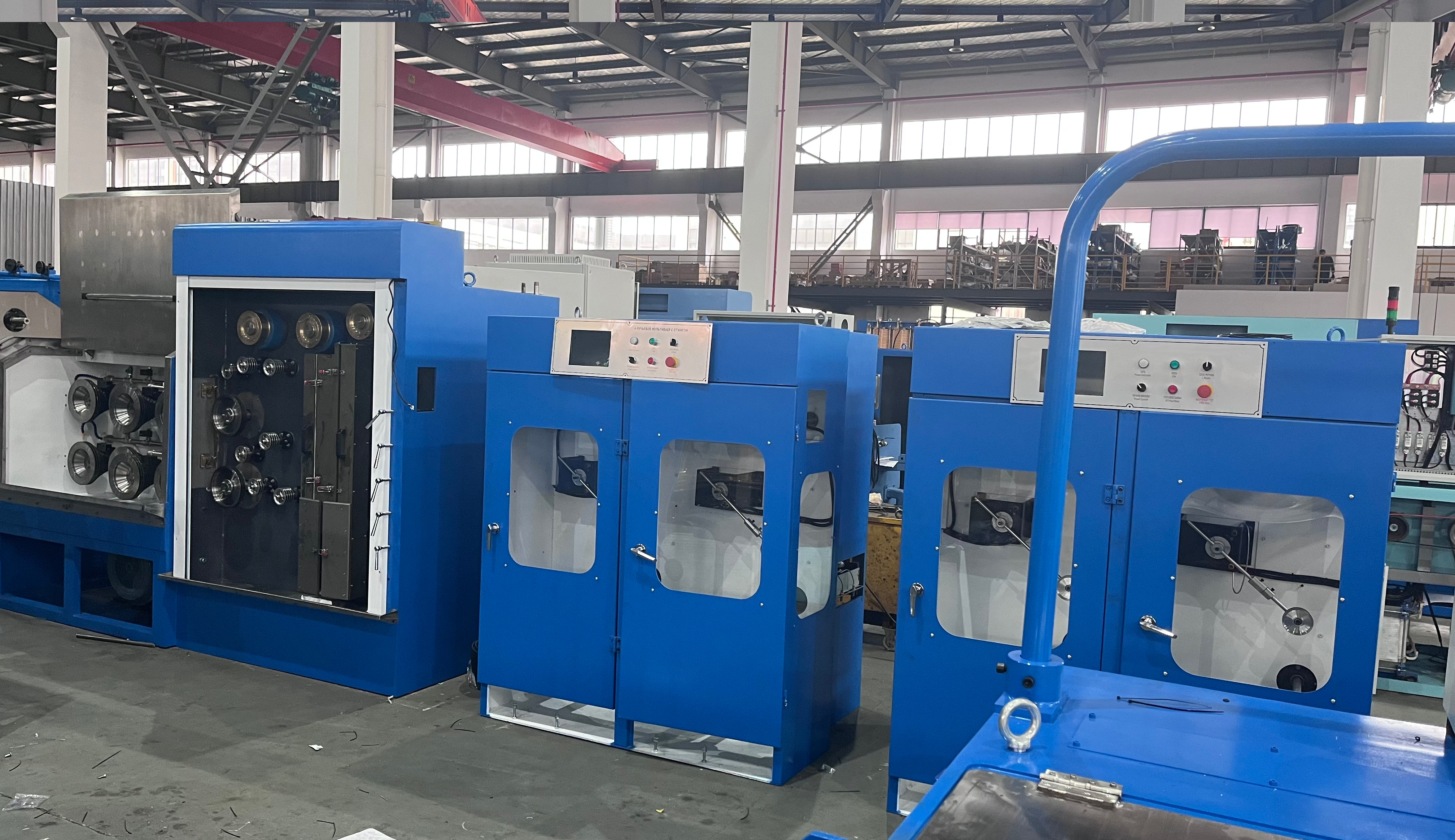
The quality of output from a rod breakdown machine directly impacts the efficiency and profitability of cable manufacturing operations. Understanding the factors that influence this output quality is essential for producers seeking to maintain consistent product standards and reduce waste. A rod breakdown machine transforms large diameter wire rod into thinner, more usable wire suitable for various industrial applications, and the quality of this transformation depends on multiple interconnected variables.
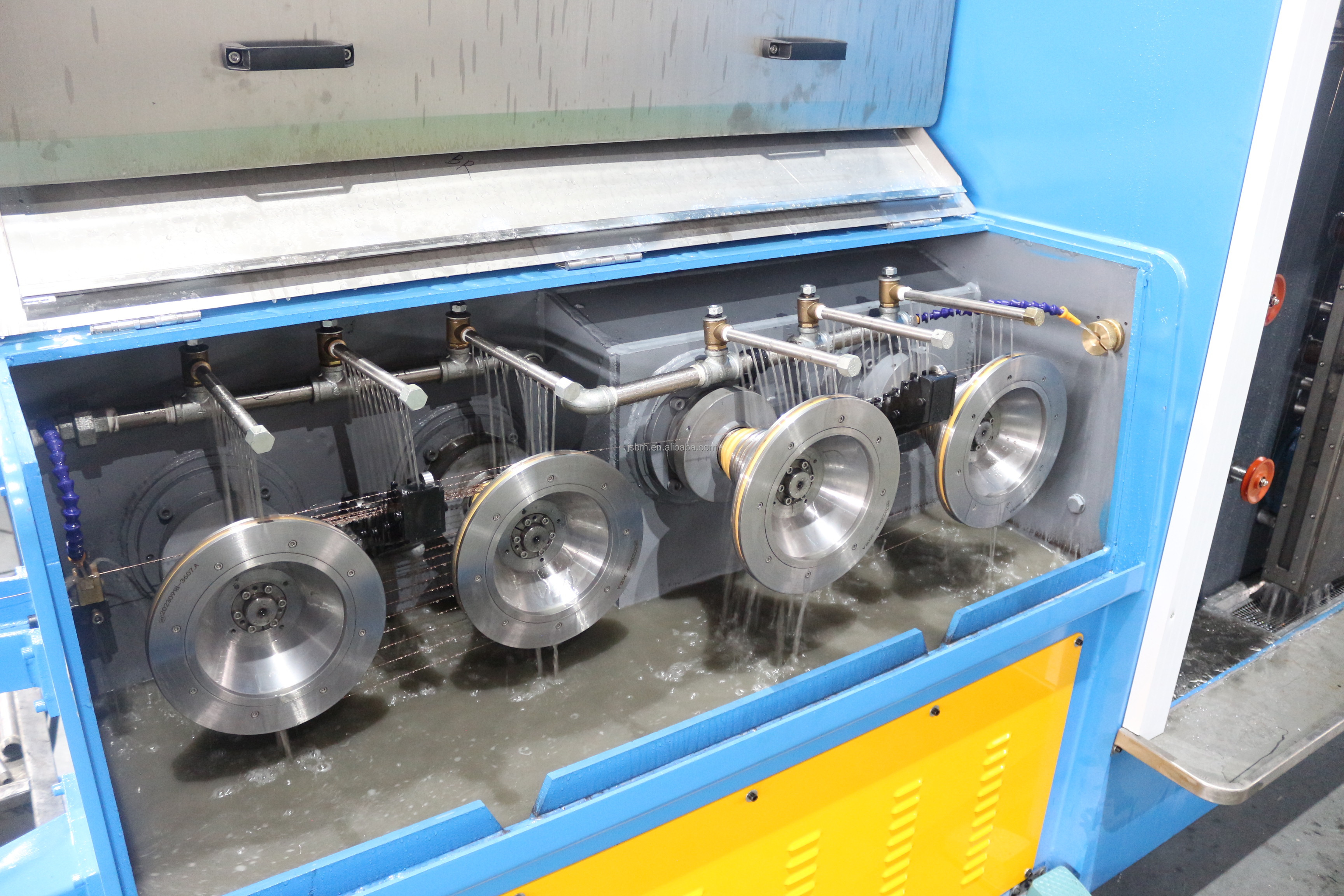
Manufacturing excellence requires attention to every stage of the rod breakdown process. The quality of wire rod that enters the machine sets the foundation for final product performance, while operational parameters and equipment condition determine whether that potential is realized. This comprehensive guide explores the critical factors that manufacturers must monitor and optimize to achieve superior rod breakdown machine output quality and maintain competitive advantage in the wire and cable industry.
Input Material Quality and Wire Rod Specifications
Understanding Wire Rod Quality Standards
Wire rod quality represents the first critical factor affecting rod breakdown machine output. The chemical composition, surface condition, and dimensional consistency of incoming wire rod directly determine how the material behaves during the breakdown process. High-quality wire rod with uniform diameter, clean surfaces free from oxidation, and consistent metallurgical properties ensures smoother processing and fewer production defects. Manufacturing operations that source wire rod meeting strict specifications experience fewer machine disruptions and higher first-pass quality rates compared to those accepting lower-grade material.
The tensile strength and elongation characteristics of wire rod influence how effectively the material flows through the breakdown stages. Wire rod with proper mechanical properties responds predictably to reduction forces, producing consistent diameter output and minimal surface defects. Conversely, rod material exhibiting inconsistent strength or brittleness creates processing difficulties, increased breakage, and variable product dimensions. Manufacturers must establish clear wire rod quality acceptance criteria and conduct incoming material testing to prevent poor-quality feedstock from compromising rod breakdown machine performance.
Impact of Surface Condition on Breakdown Processing
Surface condition of the incoming wire rod significantly influences processing quality and equipment wear patterns. Rod material with oxidized surfaces, mill scale, or embedded contaminants creates friction and wear within the machine's drawing dies. This accelerated die wear reduces equipment lifespan and forces more frequent maintenance interruptions, ultimately affecting manufacturing output quality. Clean, well-preserved wire rod surfaces minimize wear progression and maintain consistent reduction parameters throughout extended production runs.
Manufacturers implementing proper wire rod storage and handling practices observe measurably better rod breakdown machine output compared to operations with inconsistent material preparation. Oxidation prevention through appropriate storage conditions, protective coatings, and climate-controlled warehousing preserves surface quality and ensures the material arrives at the machine in optimal condition. These seemingly simple preparatory steps directly influence the final manufacturing results and overall production efficiency.
Machine Operating Parameters and Process Control
Temperature Management and Die Lubrication
Temperature control represents a crucial operational factor in maintaining rod breakdown machine output quality. Excessive heat generation during the drawing process softens the wire material, causing diameter inconsistencies and surface irregularities. Conversely, inadequate heating prevents proper material flow through the dies, increasing breakage rates and forcing unplanned stoppages. Optimal temperature windows vary by material type and desired final dimensions, requiring operators to maintain precise thermal management throughout the manufacturing process.
Die lubrication directly interconnects with temperature management and profoundly affects the quality of material emerging from the rod breakdown machine. Proper lubricant application reduces friction between the material and dies, enabling smoother material flow and minimizing surface damage. Lubrication also extends die lifespan by reducing wear and heat generation. Manufacturers using advanced lubrication systems and monitoring lubricant viscosity, temperature, and application rates achieve superior surface finish and dimensional consistency in their output compared to operations with less sophisticated lubrication management.
Speed and Reduction Ratio Optimization
Processing speed and reduction ratio significantly influence both quality and productivity of rod breakdown machine operations. Higher speeds increase throughput but demand precise parameter control to prevent material defects. Excessive speed can cause uneven material deformation, surface markings, and diameter variation. Operators must balance speed with material properties and die conditions to optimize quality output. Each wire material type and target diameter combination requires customized speed and reduction parameters to achieve consistent results.
The reduction ratio—the relationship between initial and final wire diameters—directly affects the manufacturing difficulty and quality outcome. Aggressive reductions in single passes place extreme stress on materials and equipment, potentially compromising the rod breakdown machine output quality. Multi-stage reduction profiles distribute the deformation more evenly, producing superior dimensional accuracy and surface finish. Manufacturers selecting appropriate reduction ratios matched to equipment capabilities and material characteristics maintain more consistent quality throughout production.
Equipment Condition and Maintenance Protocols
Die Wear Monitoring and Replacement Scheduling
Die condition directly determines the quality achievable from any rod breakdown machine. Drawing dies experience progressive wear with each ton of material processed, gradually altering the material flow pattern and final product dimensions. Worn dies produce inferior surface finish, increased diameter variation, and reduced material quality. Implementing systematic die inspection and replacement schedules prevents excessive wear from degrading manufacturing results. Manufacturers tracking die wear through dimensional checks and surface finish monitoring can predict replacement timing and schedule die changes during planned maintenance windows rather than emergency breakdowns.
Advanced manufacturers employ precision measurement systems to detect subtle changes in die geometry before quality problems become apparent. This proactive approach to die management preserves rod breakdown machine output quality throughout the operational life of each die set. Establishing clear quality thresholds for dimensional tolerance and surface finish specifications enables operators to identify when dies require replacement, preventing the gradual quality degradation that occurs with worn equipment.
Mechanical Components and Alignment Systems
Proper alignment and mechanical condition of the rod breakdown machine fundamentally affects output quality. Misalignment of drawing dies creates uneven material stress, producing diameter inconsistencies and off-center material flow. Worn bearings and drive systems introduce vibration that translates to surface irregularities in finished wire. Regular maintenance addressing alignment verification, bearing lubrication, and mechanical wear prevents these quality degradations. Manufacturers investing in preventive maintenance programs experience fewer unexpected quality problems and maintain more consistent rod breakdown machine output compared to facilities operating with minimal maintenance discipline.
Tensioning systems that control material feed rate and drawing force require precise calibration to deliver consistent quality. Inconsistent tensioning produces variable material velocity through the dies, resulting in diameter fluctuation and quality variations. Monitoring and maintaining these control systems ensures the machine operates within design specifications, directly supporting superior manufacturing results and optimal rod breakdown machine output quality throughout production shifts.
FAQ
How does wire rod quality affect rod breakdown machine performance?
Wire rod quality fundamentally influences how material flows through the breakdown process and determines the baseline quality achievable. Superior rod material with consistent mechanical properties, clean surfaces, and proper dimensions enables smoother processing and fewer defects. Poor-quality wire rod introduces processing complications, increases machine wear, and generates higher scrap rates. Manufacturers sourcing premium wire rod consistently achieve better manufacturing results and lower overall production costs compared to those accepting marginal material quality.
What temperature range optimizes rod breakdown machine output quality?
Optimal temperature varies based on material composition, diameter reduction, and die configuration, but most copper and aluminum materials process effectively between specific temperature windows that prevent both material softening and processing difficulty. Manufacturers should establish these ranges through controlled trials with their specific equipment and material combinations. Temperature monitoring systems enable consistent adherence to these optimal ranges, directly supporting superior rod breakdown machine output quality and dimensional consistency throughout production runs.
When should dies be replaced to maintain quality standards?
Dies should be replaced when dimensional measurements or surface finish quality begin exceeding acceptable tolerances, rather than on purely time-based schedules. Regular quality monitoring identifies when dies have worn sufficiently to compromise rod breakdown machine output, enabling replacement during planned maintenance rather than emergency situations. Most manufacturers find that replacing dies before severe wear occurs prevents sudden quality problems and maintains consistent production standards throughout the operational life of each die set.

