 EN
EN



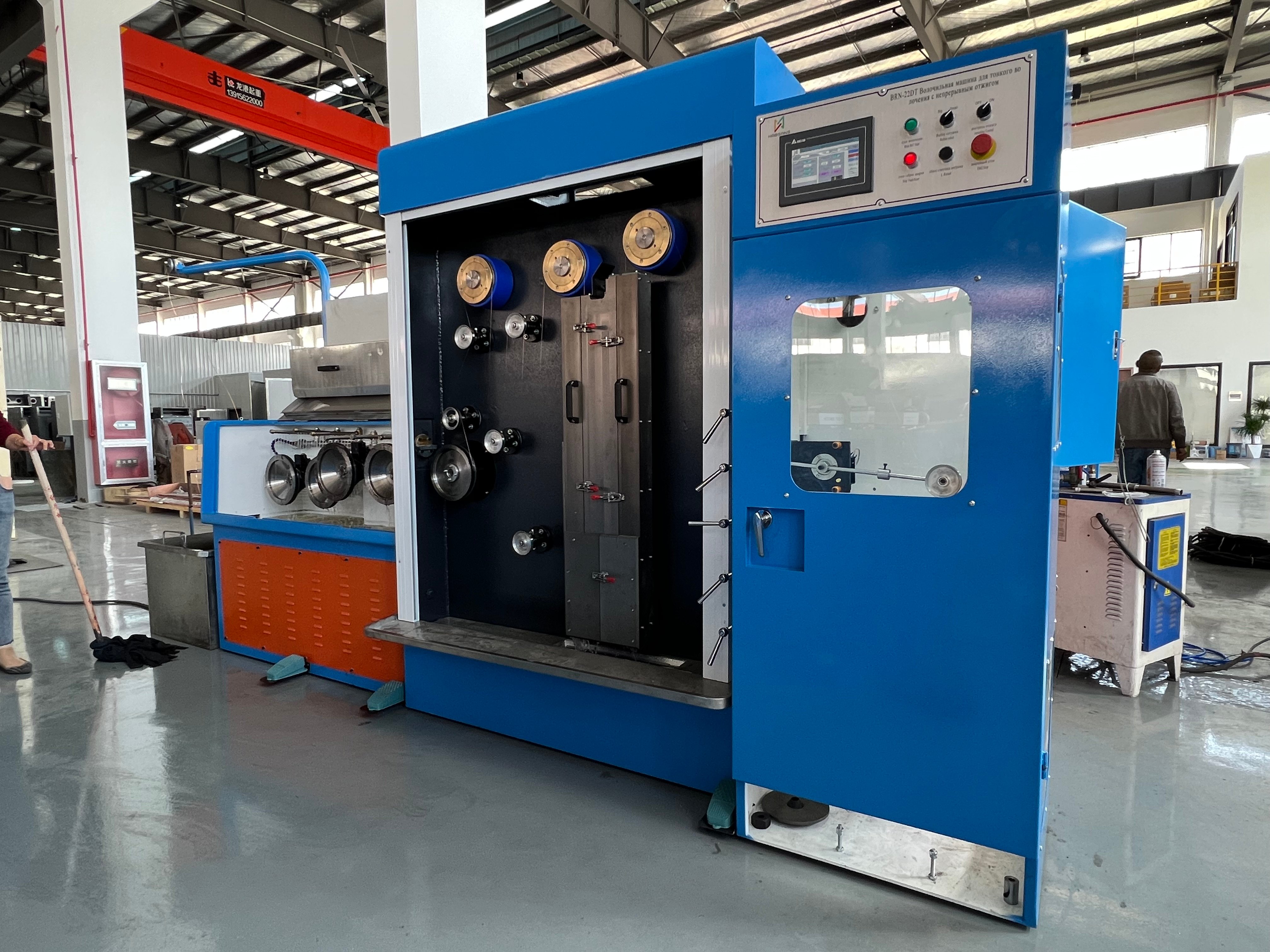
Maintaining stability during high speed wire drawing operations is critical for ensuring product quality, minimizing breakage, and maximizing efficiency in modern manufacturing environments. The high speed wire drawing machine demands precise control across multiple operational parameters to achieve consistent results at elevated velocities. Without proper stability management, producers face increased downtime, material waste, and reduced production output.
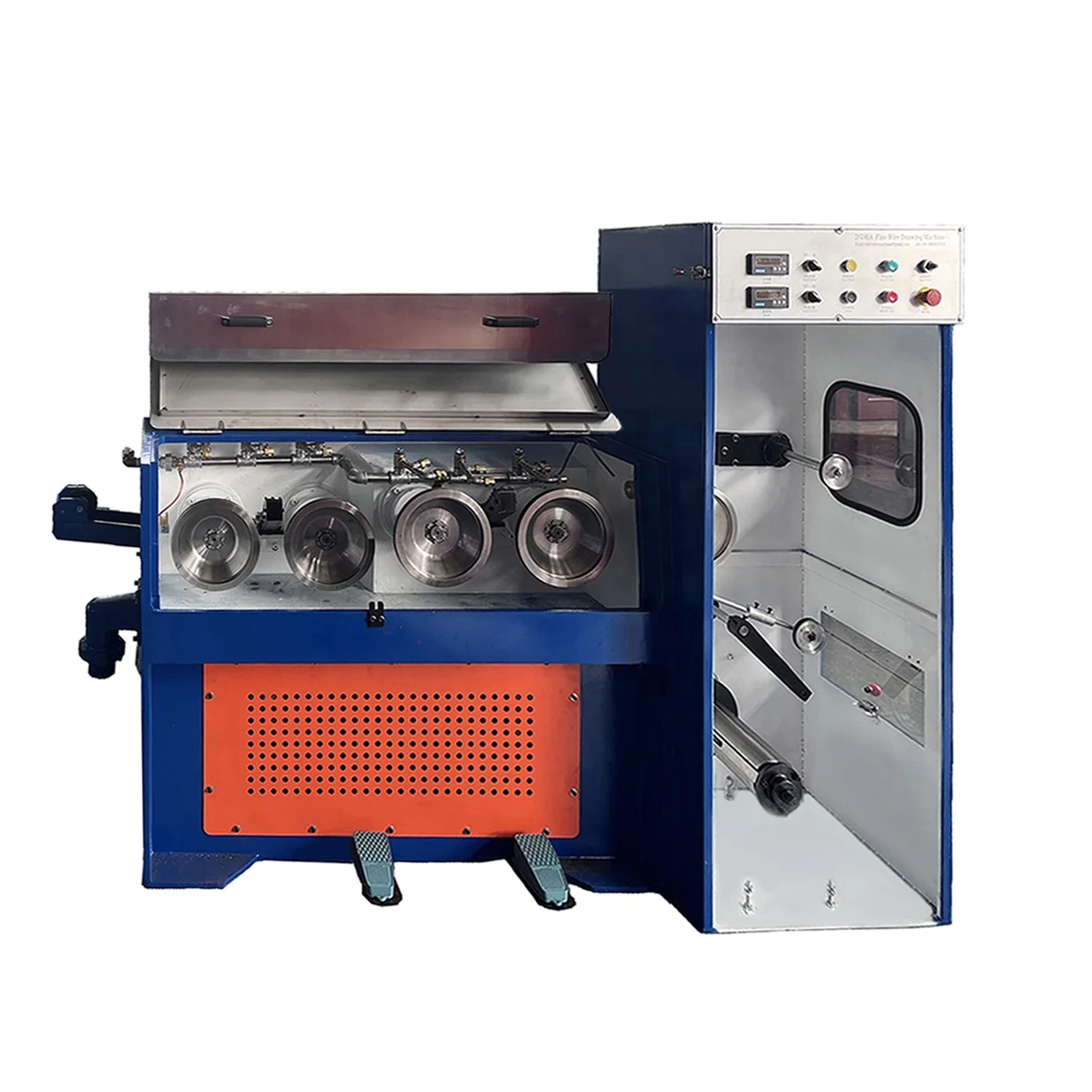
Understanding the mechanical and operational foundations of stability control allows operators and engineers to optimize drawing speed while maintaining product integrity. Stability in high speed operations encompasses wire tension management, die alignment, thermal regulation, and lubrication consistency. Each factor contributes directly to the overall performance of your production output and the longevity of equipment components.
Mechanical Alignment and Die Performance
Precision Die Positioning
Die alignment represents one of the most fundamental stability factors in any high speed wire drawing machine operation. Misalignment creates uneven pressure distribution across the wire cross-section, leading to surface defects, diameter variations, and inconsistent mechanical properties. Proper positioning requires regular calibration and measurement protocols to ensure the die centerline matches the wire trajectory precisely. Operators must monitor die wear patterns and replace dies according to manufacturer specifications, as worn dies cannot maintain dimensional accuracy regardless of other control measures.
The relationship between die geometry and drawing speed directly influences stability outcomes. As drawing speed increases, the margin for misalignment narrows considerably, making precision alignment even more critical. Modern high speed wire drawing machines incorporate alignment sensors and automatic compensation systems that detect positional drift and correct it in real-time. These systems enhance both stability and production output by preventing catastrophic failures and maintaining consistent drawing speed throughout extended production runs.
Capstan Roller Maintenance
Capstan rollers control wire movement through the drawing dies and directly influence the consistency of drawing speed. Surface degradation, uneven wear, or imbalance in capstan rollers causes wire slippage and speed fluctuations that destabilize the entire drawing process. Regular inspection of roller condition, surface texture, and bearing function prevents these issues from compromising your production output. Proper maintenance schedules ensure rollers maintain their specified diameter and surface finish throughout their service life.
Tension and Lubrication Control Systems
Wire Tension Management
Consistent wire tension throughout the drawing zone is essential for stable high speed operations. Excessive tension causes premature wire breakage and accelerated die wear, while insufficient tension allows wire wandering and diameter inconsistency. Tension control systems must respond dynamically to changes in drawing speed and wire properties to maintain the optimal range during continuous production. A high speed wire drawing machine equipped with electronic tension monitoring can detect variations in the first milliseconds and adjust capstan speed accordingly, stabilizing both the process and production output metrics.
Tension measurement typically occurs at multiple points along the wire path to identify localized stress concentrations. This multi-point approach allows operators to identify where instability originates and make targeted adjustments. Proper tension creates a stable drawing environment where the wire moves predictably through the die, reducing surface irregularities and extending die life significantly. As drawing speed increases, maintaining precise tension becomes even more important because any variation amplifies rapidly at higher velocities.
Lubricant Selection and Application
Lubrication quality directly impacts the stability of high speed wire drawing operations and the longevity of equipment. The right lubricant reduces friction at the die-wire interface, minimizes heat generation, and improves surface finish on the finished wire. High speed wire drawing machines require lubricants engineered specifically for elevated drawing speeds, as standard lubricants may break down under thermal stress or fail to maintain film strength at high velocity conditions. Consistent application through metering systems ensures uniform lubrication coverage, preventing dry spots that cause dragging and instability.
Temperature monitoring of lubricant systems is equally important for maintaining stability and production output. As lubricant temperature rises during extended production runs, viscosity changes that affect friction characteristics and cooling effectiveness. Automated cooling systems maintain lubricant within optimal temperature ranges, preserving film strength and ensuring the high speed wire drawing machine operates under stable conditions throughout the shift. Periodic lubricant analysis detects contamination, degradation, and oxidation before these issues compromise drawing stability.
Thermal Management and Speed Optimization
Temperature Monitoring and Control
Thermal stability directly influences the dimensional consistency and mechanical properties of wire drawn at high speeds. Die temperature rises during drawing due to friction and plastic deformation of the wire material. Excessive die temperatures cause surface defects, change material properties, and increase the risk of wire breakage. Cooling systems designed for high speed wire drawing machines maintain die temperature within specified ranges by circulating cooled lubricant or coolant through the die holder. Temperature sensors provide real-time feedback, allowing operators to adjust drawing speed or coolant flow to prevent thermal runaway conditions.
Wire temperature also influences stability because elevated wire temperature reduces material strength and increases the likelihood of breakage during the drawing process. The interaction between drawing speed, lubricant effectiveness, and thermal conditions creates a complex relationship that must be managed holistically. Operators who understand this relationship can find the optimal balance between maximizing drawing speed and maintaining the stability necessary for consistent production output and product quality.
Drawing Speed Optimization
Drawing speed represents the primary variable that operators adjust to maintain stability while maximizing production output. Higher drawing speeds increase productivity but reduce the time available for die-wire interface phenomena to reach equilibrium. Finding the optimal drawing speed for specific wire materials and diameters requires systematic testing and experience with your particular high speed wire drawing machine. Speed settings must account for wire material properties, die geometry, lubricant performance, and cooling system capacity.
Progressive speed increases allow operators to identify the threshold where stability begins to deteriorate for their specific conditions. Some materials permit very high drawing speeds while others require more conservative settings. Once the optimal drawing speed is established, maintaining that speed consistently ensures stable operations and predictable production output. Automated systems can enforce speed limits and provide alerts when conditions approach stability thresholds, preventing operator errors that might compromise product quality or equipment integrity.
FAQ
What causes instability in high speed wire drawing machines?
Instability typically results from combination factors including die misalignment, improper wire tension, inadequate lubrication, thermal issues, or worn capstan rollers. In a high speed wire drawing machine, these factors interact and amplify each other. Die wear is particularly significant because worn dies create uneven pressure that propagates instability throughout the operation. Regular maintenance, precise alignment, and consistent lubrication control mitigate most stability issues effectively.
How does drawing speed affect production output and stability?
Drawing speed directly determines production output volume, but excessive speed compromises stability and product quality. Higher drawing speeds increase throughput but reduce the time available for the drawing process to reach equilibrium. Operating a high speed wire drawing machine at speeds exceeding material and equipment capabilities causes increased breakage, surface defects, and inconsistent dimensional results. The optimal drawing speed balances maximum production output with acceptable stability and quality metrics for your specific material and diameter requirements.
What preventive maintenance improves high speed wire drawing stability?
Effective preventive maintenance includes regular die inspection and replacement, capstan roller alignment and balancing, tension system calibration, and lubricant analysis. Thermal system maintenance and cooler cleaning ensure optimal temperature control during high speed operations. Monitoring equipment for vibration, noise, or unusual wear patterns allows early detection of emerging problems before they cause severe instability. A comprehensive maintenance program preserves the capability of your high speed wire drawing machine and keeps production output consistent throughout its service life.

