 EN
EN



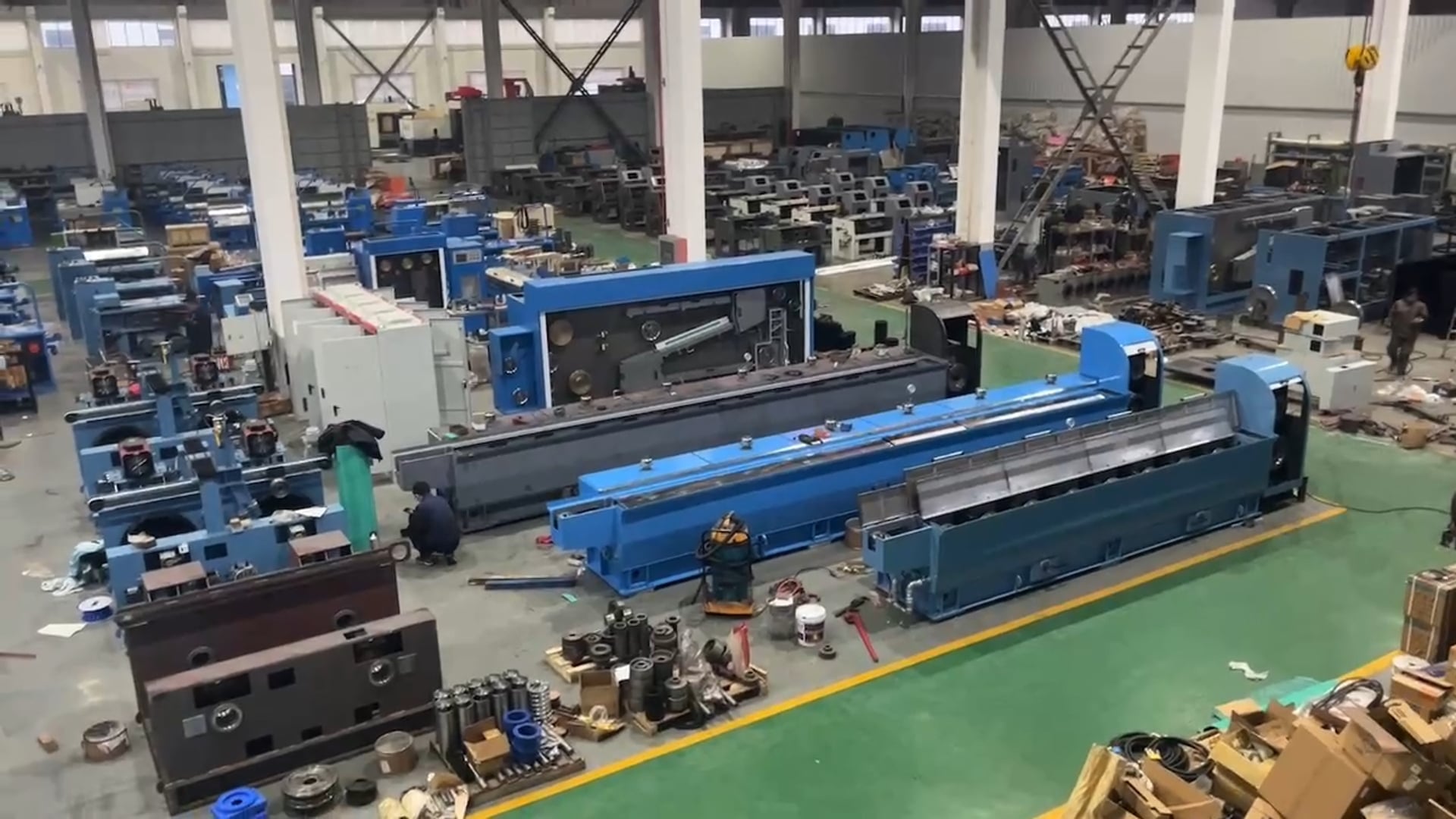
Thermal management is critical to the successful operation of any high speed wire drawing machine. As drawing speeds increase, friction and deformation forces generate substantial heat that can degrade both the wire quality and the equipment itself. Without adequate cooling, a high speed wire drawing machine experiences accelerated wear, dimensional inconsistencies, and potential operational failures. Understanding how cooling affects machine performance is essential for manufacturers seeking to maintain consistent production quality and equipment longevity.
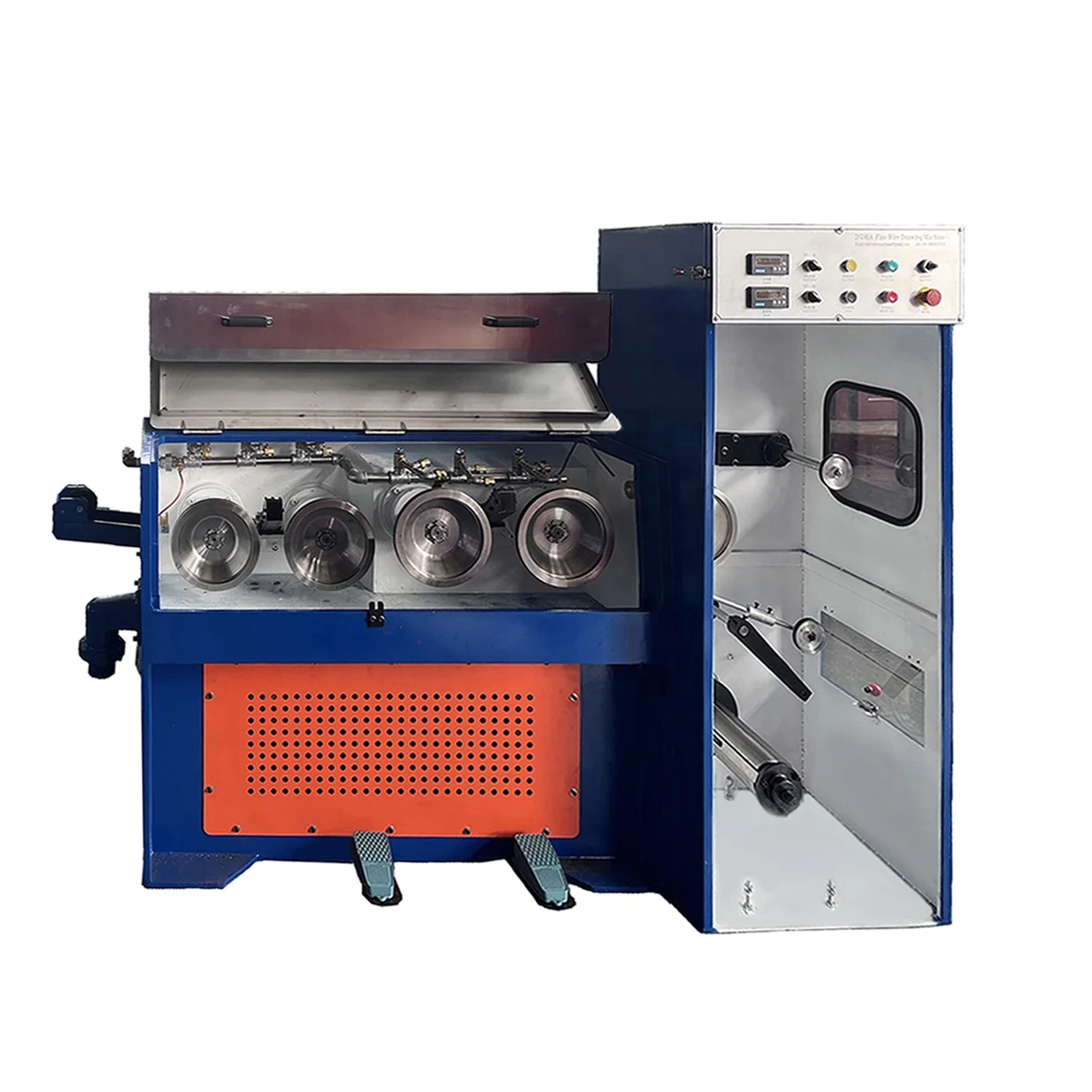
The cooling system in a high speed wire drawing machine serves multiple functions beyond simple temperature reduction. It regulates the die temperature, preserves lubricant viscosity, stabilizes wire metallurgical properties, and protects critical machine components from thermal stress. Effective cooling ensures that the wire maintains dimensional accuracy throughout the drawing process, reduces defect rates, and enables operators to push production speeds without compromising product integrity. Industrial manufacturers recognize that investing in robust cooling technology directly translates to improved machine performance and reduced downtime.
Role of Cooling in Thermal Management
Temperature Control During High Speed Drawing
During high speed wire drawing operations, the die zone reaches temperatures that can exceed 300°C due to the intense friction between the wire and die surface. Without intervention, this thermal buildup transfers to the wire, affecting its mechanical properties and dimensional stability. A well-designed cooling system rapidly removes heat from the die and surrounding components, maintaining optimal operating temperatures. This active temperature management preserves the machine performance by preventing thermal drift that would otherwise cause wire diameter variations and surface quality degradation.
Lubricant Viscosity and Die Protection
The cooling system maintains lubricant viscosity at levels that protect both the wire and die surfaces. Excessive heat breaks down lubricant chemistry, reducing its protective film strength and increasing metal-to-metal contact. A properly functioning cooling system keeps the lubricant at its designed viscosity range, ensuring consistent friction characteristics and extended die life. For a high speed wire drawing machine, this means reduced die replacement frequency, lower maintenance costs, and more predictable production parameters that directly impact machine performance.
Cooling System Design and Operational Impact
Water-Based and Circulating Cooling Solutions
Modern high speed wire drawing machines typically employ water-based cooling systems that circulate coolant directly to the die zone and drawing tower components. These systems use heat exchangers to maintain coolant temperature within tight tolerances, typically between 15°C and 25°C. The cooling system must provide sufficient flow rate to remove heat as fast as it is generated, preventing thermal lag that could compromise machine performance. Industrial facilities often integrate chillers and filtration modules to extend coolant life and maintain system efficiency throughout continuous production runs.
Precision Control and Consistency
The interaction between cooling and machine performance extends to dimensional consistency and surface finish quality. When a cooling system fails or operates inadequately, temperature fluctuations cause die thermal expansion, leading to wire diameter variations and inconsistent drawing force. Conversely, stable cooling enables operators to maintain tighter tolerances and achieve superior surface finishes. For manufacturers producing high-specification wires for electronics, automotive, or medical applications, the reliability of the cooling system directly determines whether the high speed wire drawing machine can meet customer requirements consistently.
Effects of Inadequate Cooling on Equipment and Production
Wear Acceleration and Equipment Failure
Insufficient cooling accelerates wear on dies, wire guides, capstans, and spindle bearings. Thermal stress causes material expansion and contraction cycling that eventually leads to component fatigue and unexpected breakdowns. A high speed wire drawing machine operating without adequate cooling loses machine performance efficiency, experiences increased friction losses, and consumes more energy to achieve the same production output. Over time, inadequate cooling creates a cascading effect where accumulated damage requires more frequent maintenance interventions and reduces the machine's economic viability.
Quality Degradation and Production Loss
Poor cooling directly reduces the quality of finished wire products. Surface defects, work-hardening inconsistencies, and dimensional non-conformance increase reject rates and customer complaints. Production schedules suffer because operators must reduce drawing speeds or halt operations to allow thermal recovery. This penalty to machine performance represents lost revenue and damaged customer relationships. Manufacturers who neglect cooling system maintenance often find that the cost of occasional repairs is far less than the cumulative cost of quality failures and production delays caused by overheating.
Optimizing Cooling for Maximum Machine Performance
Regular Monitoring and Preventive Maintenance
Maintaining optimal cooling performance requires systematic monitoring of coolant temperature, flow rate, and cleanliness. Operators should establish baseline readings during normal operation and track deviations that signal cooling system degradation. For a high speed wire drawing machine, even small increases in die temperature can indicate partial coolant channel blockage, pump wear, or heat exchanger fouling. Implementing preventive maintenance schedules that include coolant analysis, filter changes, and system pressure checks prevents thermal failures before they impact machine performance and production quality.
Equipment Upgrade and System Enhancement
As production speeds increase, existing cooling systems may reach their thermal capacity limits. Upgrading to high-capacity chillers, optimizing coolant flow paths, or implementing advanced temperature sensors can enhance cooling capability and boost machine performance. Some manufacturers install redundant cooling loops for critical applications, ensuring that a component failure does not cause thermal runaway. These investments in cooling infrastructure often pay for themselves through improved productivity, reduced defect rates, and extended equipment life on the high speed wire drawing machine.
FAQ
What temperature range is optimal for high speed wire drawing machine operation?
Most high speed wire drawing machines operate optimally with coolant temperatures between 15°C and 25°C, while die zone temperatures should remain below 150°C to 200°C depending on wire material. Maintaining consistent temperatures within these ranges through an effective cooling system ensures machine performance stability and product quality consistency.
How does inadequate cooling affect wire quality in a high speed wire drawing machine?
Inadequate cooling causes thermal expansion of dies and guides, leading to dimensional variations, surface defects, and inconsistent work-hardening in the drawn wire. Temperature fluctuations also degrade the lubricant film, increasing surface friction and producing rougher wire surfaces that fail downstream processing or application requirements.
How often should cooling system maintenance be performed on a high speed wire drawing machine?
Cooling system maintenance should occur at least monthly for continuous-duty operations, including coolant analysis, filter inspection, and flow rate verification. More frequent inspections may be necessary in high-speed environments where machine performance demands are extreme, ensuring the cooling system consistently meets thermal management requirements.

