 EN
EN



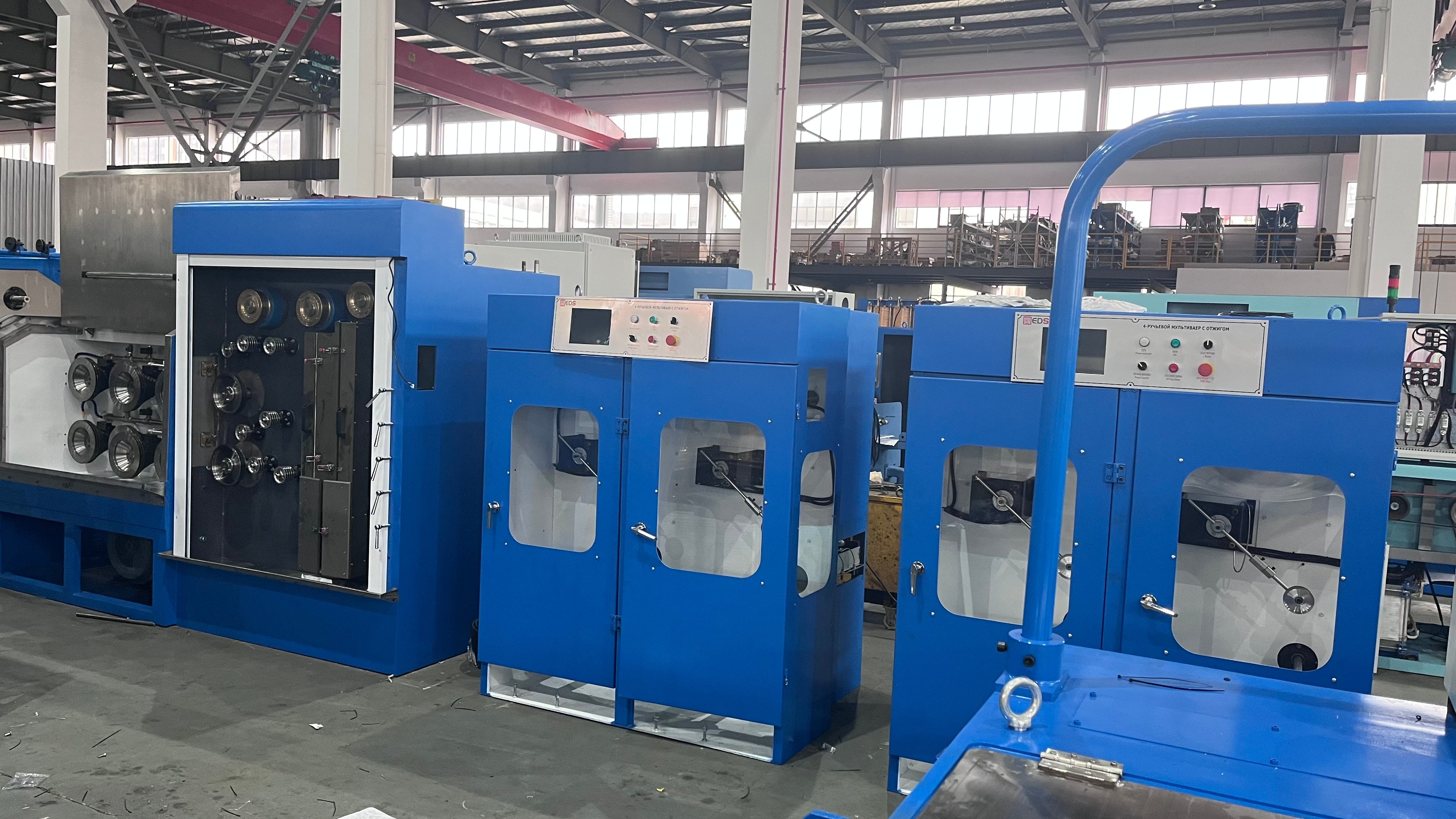
In modern wire manufacturing, production speed and consistency determine competitive advantage. A multi wire drawing machine fundamentally transforms how factories produce wire at scale, enabling simultaneous processing of multiple strands while maintaining precision and quality. This technology addresses one of the most persistent bottlenecks in wire manufacturing: the need to balance speed with accuracy across high-volume production runs.
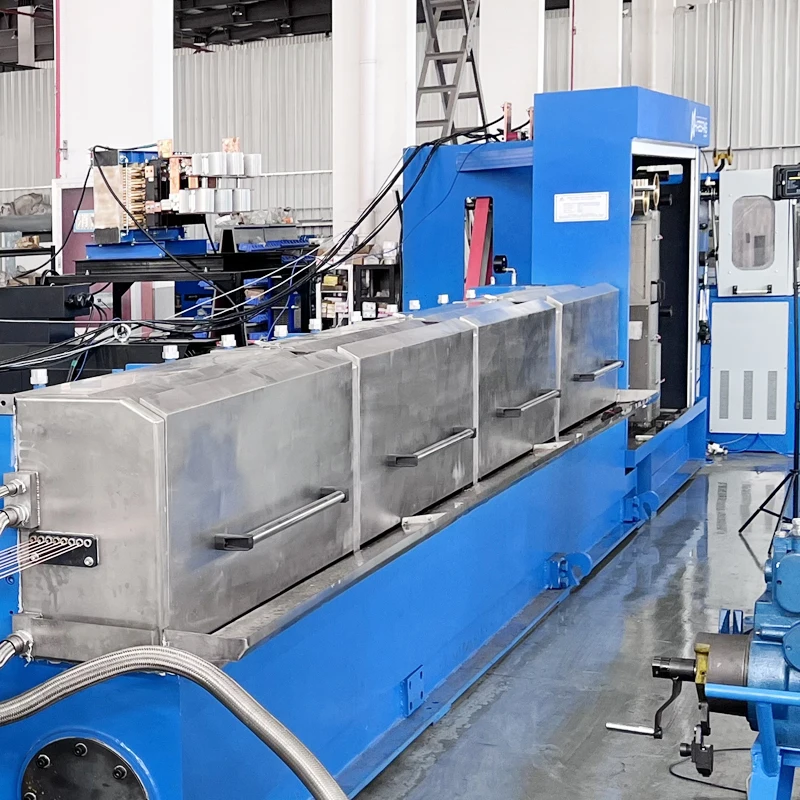
Traditional single-wire drawing systems process one strand at a time, creating idle periods between cycles and limiting throughput. Modern multiple wire production methods overcome this constraint by drawing several wires simultaneously through coordinated die stations. The efficiency gains extend beyond raw speed: reduced downtime, lower energy consumption per unit, and improved material yield make this approach essential for wire manufacturers competing in cost-sensitive markets.
Core Advantages of Multi-Wire Drawing Technology
Parallel Processing and Throughput Enhancement
A multi wire drawing machine operates by feeding multiple wire blanks through separate but synchronized drawing dies simultaneously. Each wire passes through its own reduction sequence while maintaining independent tension control. This parallel workflow means production output grows proportionally to the number of wire strands being processed. Where single-wire machines produce one finished strand per cycle, multi-wire systems deliver four, six, or eight completed wires in the same timeframe, effectively multiplying facility capacity without requiring equivalent increases in floor space or operator count.
The efficiency gains compound when factories integrate multiple wire production into existing layouts. Operators monitor all strands from one control interface, eliminating the need to reload equipment or reset parameters between individual wires. Changeover times drop significantly because the entire wire drawing process runs as one unified operation. This operational simplification translates directly into measurable production time reductions.
Precision and Consistency Across All Strands
Modern multi wire drawing machine systems employ independent die heads for each strand, each equipped with its own tension sensor and feedback loop. This architecture ensures that diameter tolerances, surface finish, and mechanical properties remain consistent across all wires produced in a single run. Individual strain gauges monitor tension on each line in real time, triggering automatic adjustments within milliseconds if any strand drifts from specification. The result is uniform product quality even when processing different wire diameters or material compositions simultaneously.
Consistency reduces scrap rates and rework requirements significantly. When all strands meet specification on the first pass, manufacturers avoid costly material loss and the production delays that accompany quality rejections. This reliability advantage proves especially valuable in industries like automotive, telecommunications, and construction, where wire specifications demand zero tolerance for variance.
Operational Time Savings and Cost Impact
Reduced Cycle Times and Setup Complexity
Implementing a multi wire drawing machine typically cuts per-unit production time by 60 to 75 percent compared to sequential single-wire methods. A wire manufacturer processing 100 kilometers of finished product daily might complete that volume in 6 hours using a 6-strand system, versus 18 to 24 hours with single-wire equipment. This acceleration allows factories to serve more customers, fulfill rush orders faster, or reduce shift counts while maintaining output targets. The efficiency gains extend directly to labor costs and facility overhead absorption.
Setup and changeover processes also benefit from unified machine architecture. Rather than adjusting separate equipment for each wire specification, operators configure one machine for multiple wire production parameters once, then process dozens of orders through that same configuration. Fewer changeovers mean fewer opportunities for error, quicker ramp-up to full speed, and less scrap generated during transition periods.
Energy Efficiency and Material Yield Optimization
Multi wire drawing machine designs consolidate motor drives, die stations, and cooling systems into single integrated units. This consolidation reduces redundant energy consumption compared to operating multiple machines in parallel. Per-kilogram of finished wire, modern systems use 20 to 35 percent less electrical energy than equivalent single-wire capacity, a meaningful advantage in energy-intensive manufacturing environments. Additionally, synchronized drawing reduces wire waste and breakage, improving material yield from raw feedstock to finished product by 2 to 5 percent depending on wire diameter and material type.
Lower material loss directly reduces production costs and improves margins. When a factory drawing 500 tons of wire annually captures even 2 percent additional yield through superior multiple wire production technique, that represents 10 tons of recovered material value. Combined with reduced energy costs and lower labor requirements per unit, the total cost reduction becomes substantial enough to justify equipment investment within months for high-volume operations.
Practical Implementation and Scalability
Flexibility Across Wire Specifications and Materials
Contemporary multi wire drawing machine systems handle wire diameters ranging from 0.5 millimeters to 5 millimeters in a single configuration by swapping modular die sets. Operators can draw mild steel, stainless steel, copper, or specialty alloys simultaneously, provided the material properties and surface conditions support parallel processing. This versatility means manufacturers can serve diverse market segments without maintaining separate equipment for each application, further enhancing efficiency and reducing capital overhead.
The modular approach to multiple wire production also enables gradual capacity expansion. A facility starting with a 4-strand system can retrofit additional die heads as demand grows, avoiding the need to purchase entirely new equipment. This scalability aligns capital spending with business growth, reducing financial risk and improving equipment ROI.
Integration with Modern Manufacturing Systems
Current multi wire drawing machine models integrate seamlessly with industrial automation platforms, including tension control systems, in-line diameter measurement devices, and data logging interfaces. Real-time connectivity allows remote monitoring of production parameters, predictive maintenance alerts, and automatic quality documentation. This integration capability supports Industry 4.0 initiatives and enables manufacturers to optimize production schedules based on live equipment performance data. The efficiency improvements extend beyond the machine itself to encompass the entire production workflow, reducing inventory holding costs and improving response times to customer demand.
FAQ
What is the typical payback period for investing in a multi wire drawing machine?
Most wire manufacturers see positive ROI within 18 to 36 months, depending on annual volume and current labor costs. Facilities processing over 300 tons annually typically recover equipment costs within 18 to 24 months through combined labor savings, energy reduction, and improved material yield. The payback accelerates if the business experiences demand growth that would otherwise require purchasing additional single-wire equipment.
Can a multi wire drawing machine handle specialty materials like stainless steel or copper?
Yes, modern systems support multiple wire production from a wide range of materials. Stainless steel, copper, aluminum, and nickel alloys all draw successfully on contemporary equipment with appropriate die specifications and cooling adjustments. The independent tension control on each die strand ensures material properties remain consistent regardless of material type, making specialty materials as viable as standard carbon steel.
How much floor space does a multi wire drawing machine require compared to multiple single-wire units?
A 6-strand multi wire drawing machine typically occupies 60 to 70 percent of the floor space needed for three equivalent single-wire machines, while delivering superior output and efficiency. This space consolidation allows manufacturers to increase production without facility expansion, a significant advantage for operations already operating near capacity in existing locations.

