 EN
EN



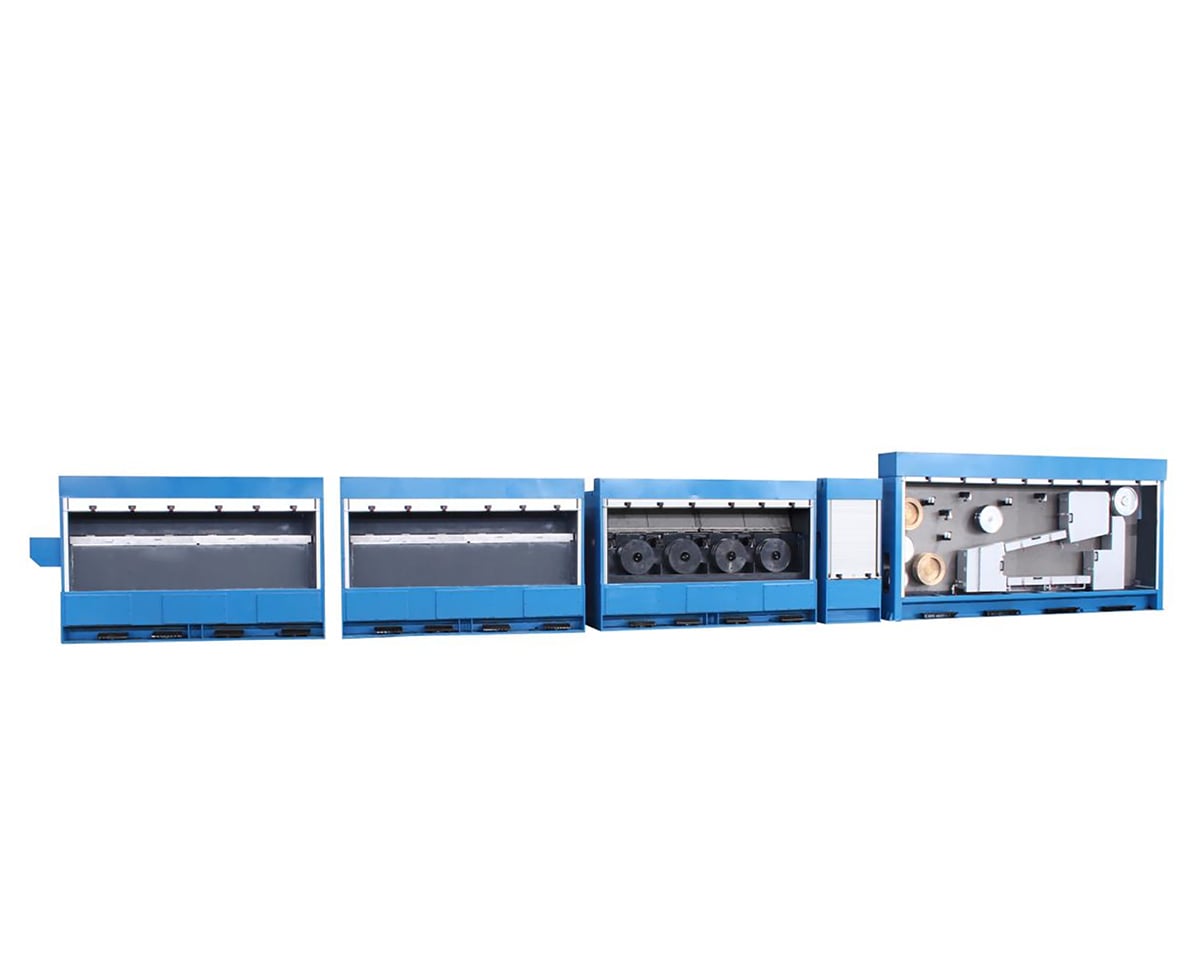
The performance of a multi wire drawing machine depends on multiple interconnected factors that directly impact production quality, throughput, and operational efficiency. Understanding these performance drivers is essential for manufacturers seeking to optimize their wire production capabilities and maintain competitive advantage in the industrial sector. The complexity of modern wire processing demands precise control over numerous variables, each contributing to the final product characteristics and manufacturing economics.
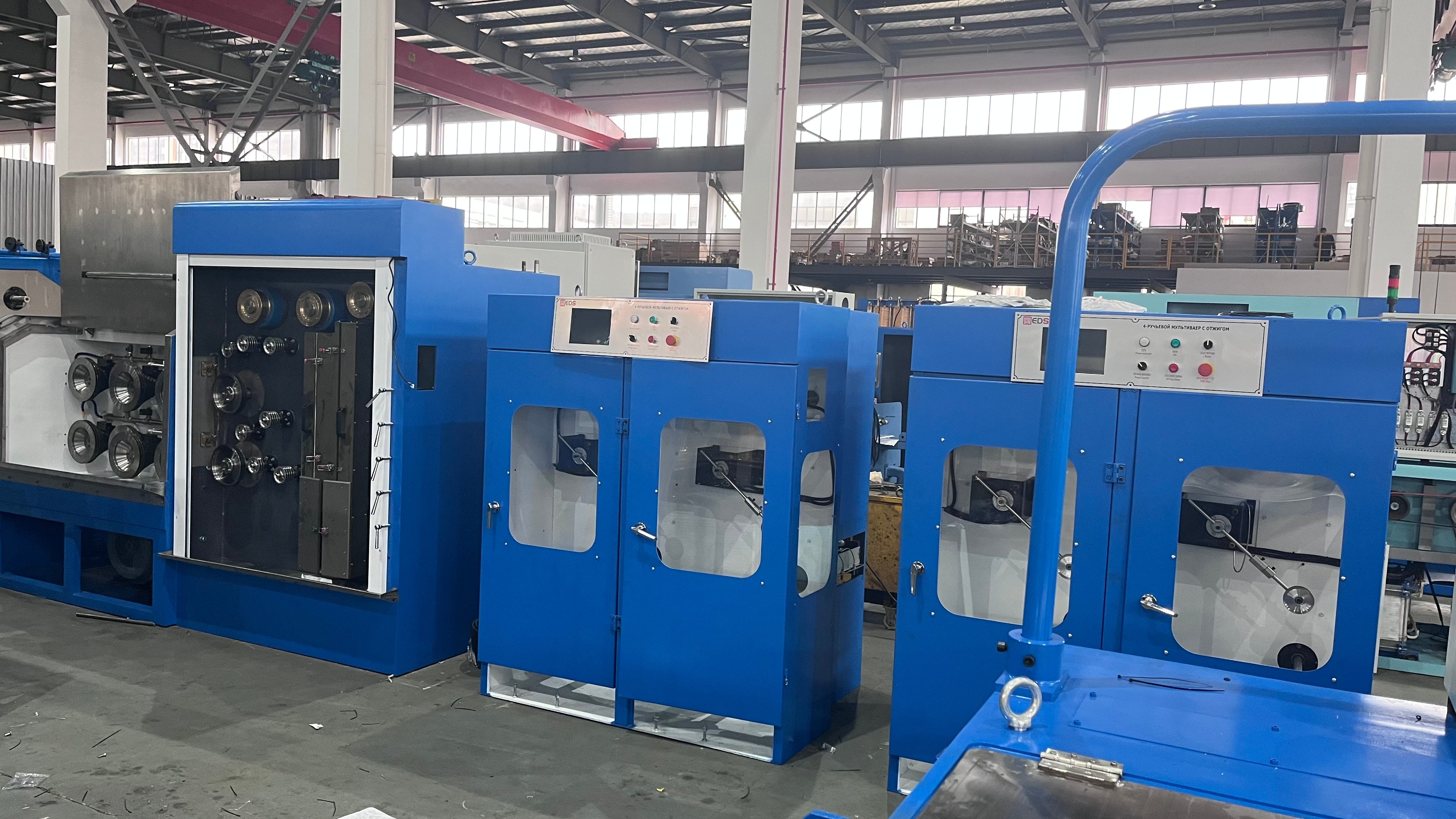
Equipment specifications and operational parameters form the foundation of wire drawing performance. A properly functioning multi wire drawing machine requires careful attention to mechanical alignment, tension control, and material flow consistency. The integration of automation technology has transformed wire processing by enabling real-time monitoring, automatic speed adjustment, and predictive maintenance capabilities that significantly enhance reliability and output quality.
Machine Design and Mechanical Configuration
Wire Drawing Dies and Diameter Control
The die configuration in a multi wire drawing machine fundamentally determines the final wire diameter and surface quality. Each drawing stage reduces the wire cross-section progressively, and the precision of die alignment directly affects material flow and product uniformity. Modern machines utilize multiple dies arranged in sequence, allowing simultaneous processing of several wires while maintaining consistent diameter specifications across all strands.
Die wear represents a critical factor affecting wire processing efficiency. As dies experience continuous friction from material passage, their geometry gradually changes, causing dimensional drift in the finished product. Regular die maintenance and timely replacement protocols become essential maintenance practices that preserve product consistency and prevent costly production downtime.
Motor Power and Drive System Performance
The motor capacity and drive system architecture of a multi wire drawing machine determine maximum production speed and sustained operating load capacity. Higher power ratings enable faster wire processing speeds, directly translating to increased throughput and improved manufacturing economics. Inverter-controlled motors with variable frequency drives provide automation capabilities that optimize energy consumption and allow flexible speed management across different wire diameters and materials.
Gear ratios and transmission efficiency also significantly impact overall machine performance. Properly maintained drive systems minimize mechanical losses and ensure consistent torque delivery to the drawing spindle, maintaining wire tension uniformity across all processing channels.
Material Properties and Processing Parameters
Wire Material Characteristics and Annealing Integration
The base material properties directly influence how the wire responds during drawing and determine the mechanical characteristics of the finished product. Steel composition, initial hardness, and surface condition all affect drawing force requirements and achievable reduction ratios in wire processing. Materials requiring significant strain hardening benefit from continuous annealing capabilities integrated into modern machines, which soften the wire between drawing stages and enable greater total reduction.
Annealing temperature control represents a sophisticated automation requirement that directly impacts wire ductility and final mechanical properties. Consistent annealing between drawing stages prevents material brittleness and maintains consistent drawing forces, enabling the multi wire drawing machine to maintain optimal processing speeds and superior product quality.
Lubrication and Coolant Application
Effective lubrication in wire processing reduces drawing force requirements, minimizes die wear, and improves surface finish characteristics. The selection and application rate of drawing compounds directly affect friction between the wire and drawing dies, influencing both machine performance and product quality. Automation systems that monitor and control coolant concentration ensure consistent lubrication throughout extended production runs.
Temperature management through coolant circulation prevents excessive heat buildup during high-speed wire processing. Proper thermal control maintains material properties and preserves die geometry, directly supporting sustained machine performance and product uniformity.
Automation Technology and Process Control
Real-Time Monitoring and Feedback Systems
Modern automation capabilities enable continuous monitoring of critical parameters throughout wire processing operations. Sensors measuring tension, speed, and temperature provide real-time data that automation systems use to maintain optimal drawing conditions and detect emerging issues before they impact product quality. This predictive monitoring approach significantly reduces defect rates and extends equipment service life.
Automation integration with multi wire drawing machine controls allows automatic adjustment of motor speed, die cooling intensity, and lubrication delivery based on measured process conditions. This dynamic optimization maintains consistent product specifications across extended production runs and different material types, delivering the productivity benefits that manufacturers expect from modern wire drawing equipment.
Production Capacity and Throughput Optimization
The simultaneous processing of multiple wires creates compounding efficiency gains that improve overall manufacturing economics. Automation coordination ensures balanced loading across all processing channels, preventing individual wire drift that would compromise product consistency. Advanced control systems manage the complexity of multi-strand operations, enabling higher utilization rates and faster product changeovers.
Throughput performance depends on seamless integration of wire drawing, annealing, and finishing operations. Automation systems that coordinate these stages eliminate bottlenecks and maximize the efficiency of the complete wire processing workflow. This holistic approach to production optimization directly supports improved machine performance and competitive manufacturing capacity.
FAQ
What primary factors determine multi wire drawing machine output quality?
Output quality depends on die precision, material consistency, proper lubrication application, and effective automation control systems. Diameter uniformity across all simultaneously processed wires requires precise tension management and coordinated motor speed control. Regular maintenance of drawing dies and consistent annealing between stages ensures the mechanical properties and surface finish specifications that end users require in finished wire products.
How does automation improve wire processing performance?
Automation enables real-time monitoring of tension, speed, temperature, and other critical parameters throughout wire processing operations. Automated adjustment systems respond immediately to process variations, maintaining optimal drawing conditions that preserve product quality and enable sustained high-speed operation. This continuous optimization reduces defects, extends equipment service life, and improves overall productivity compared to manual control approaches.
What role does continuous annealing play in multi wire drawing machine efficiency?
Continuous annealing between drawing stages softens work-hardened material, reducing drawing force requirements and enabling greater total strain reduction. This capability allows the multi wire drawing machine to achieve higher total reductions without material brittleness or excessive die wear. Integrated annealing systems that maintain precise temperature control support faster production speeds while delivering superior mechanical properties in the finished wire product.

