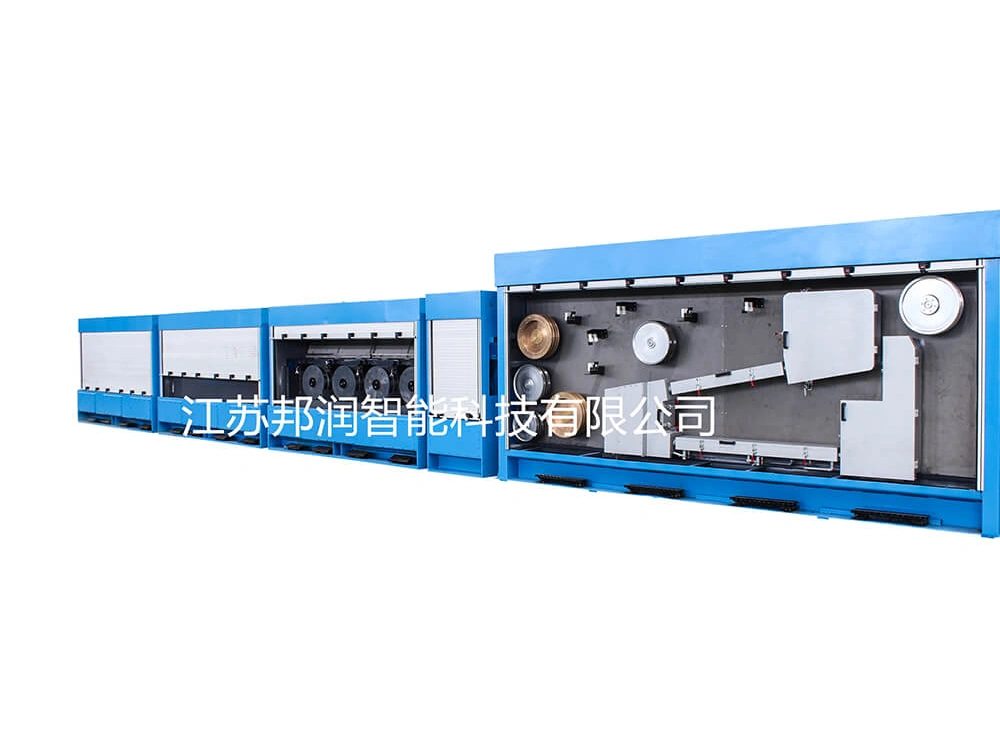
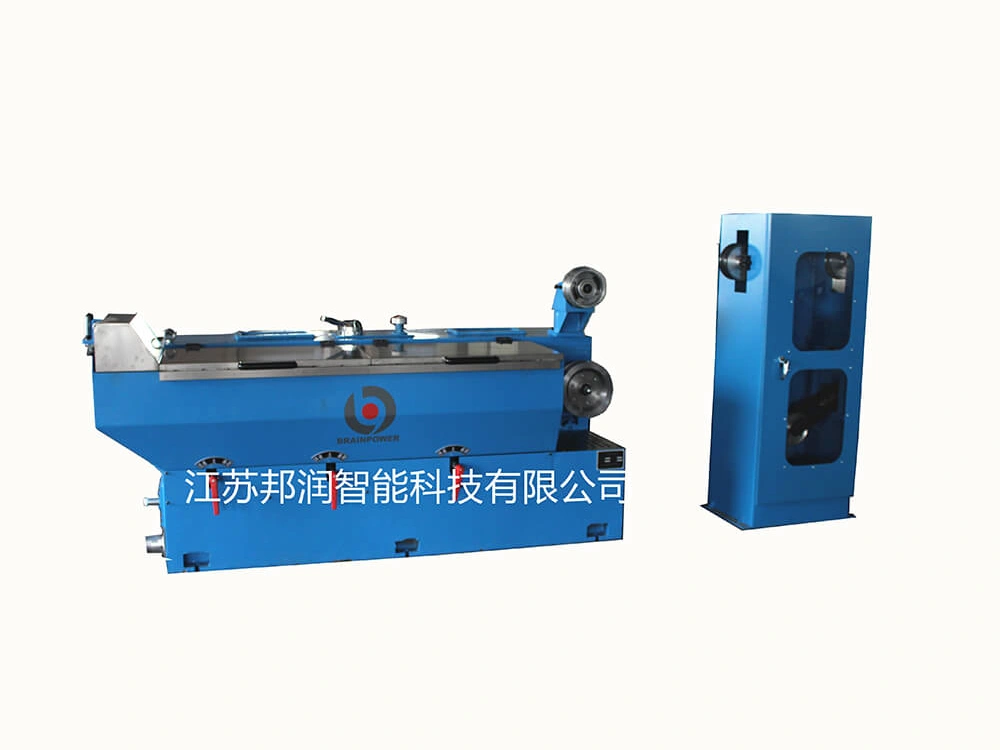
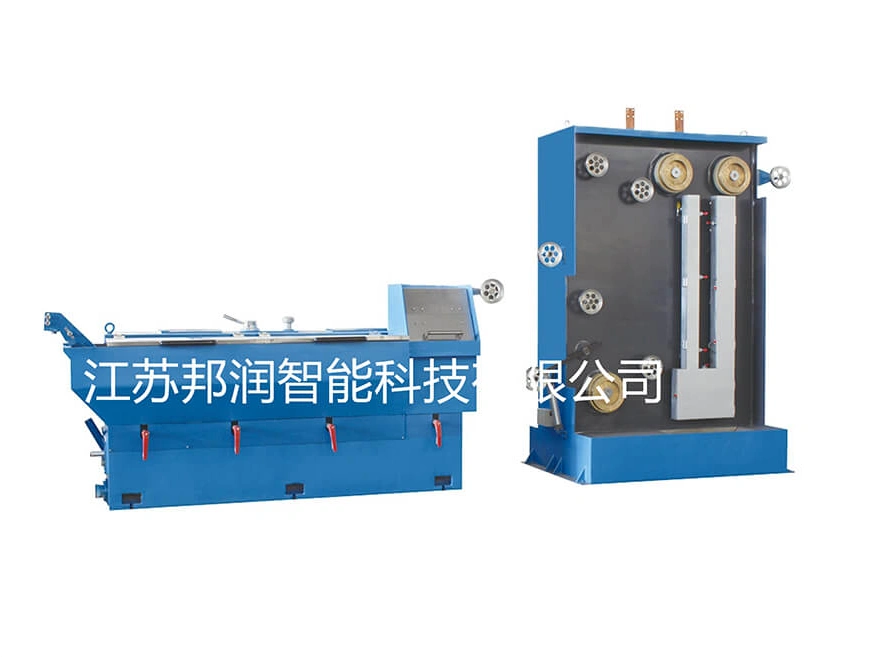
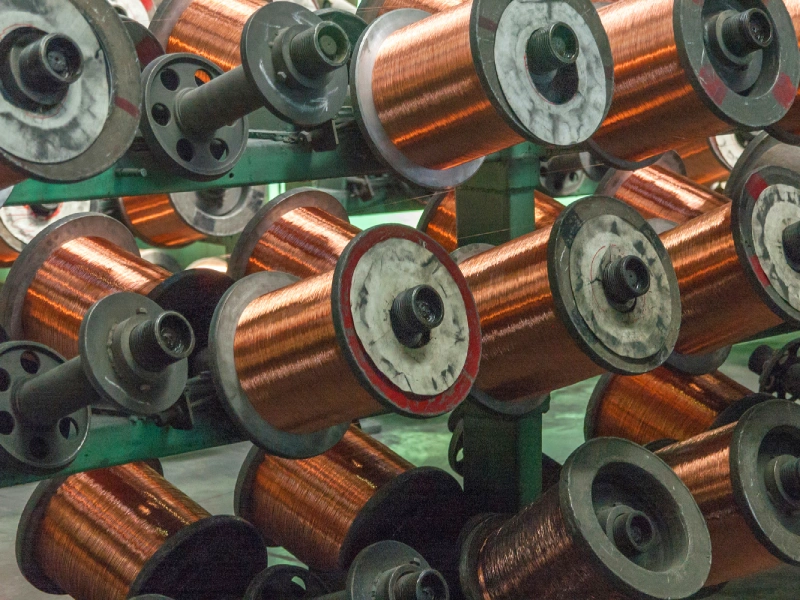
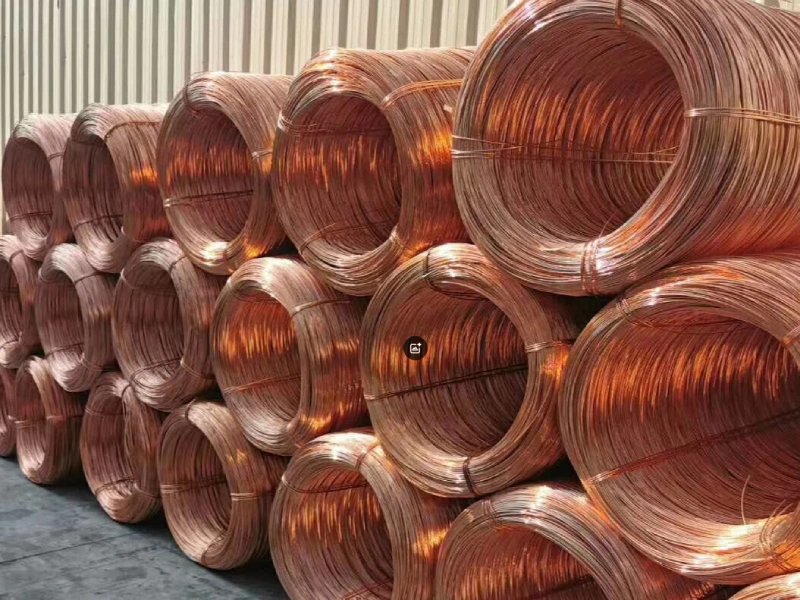
wire drawing machines
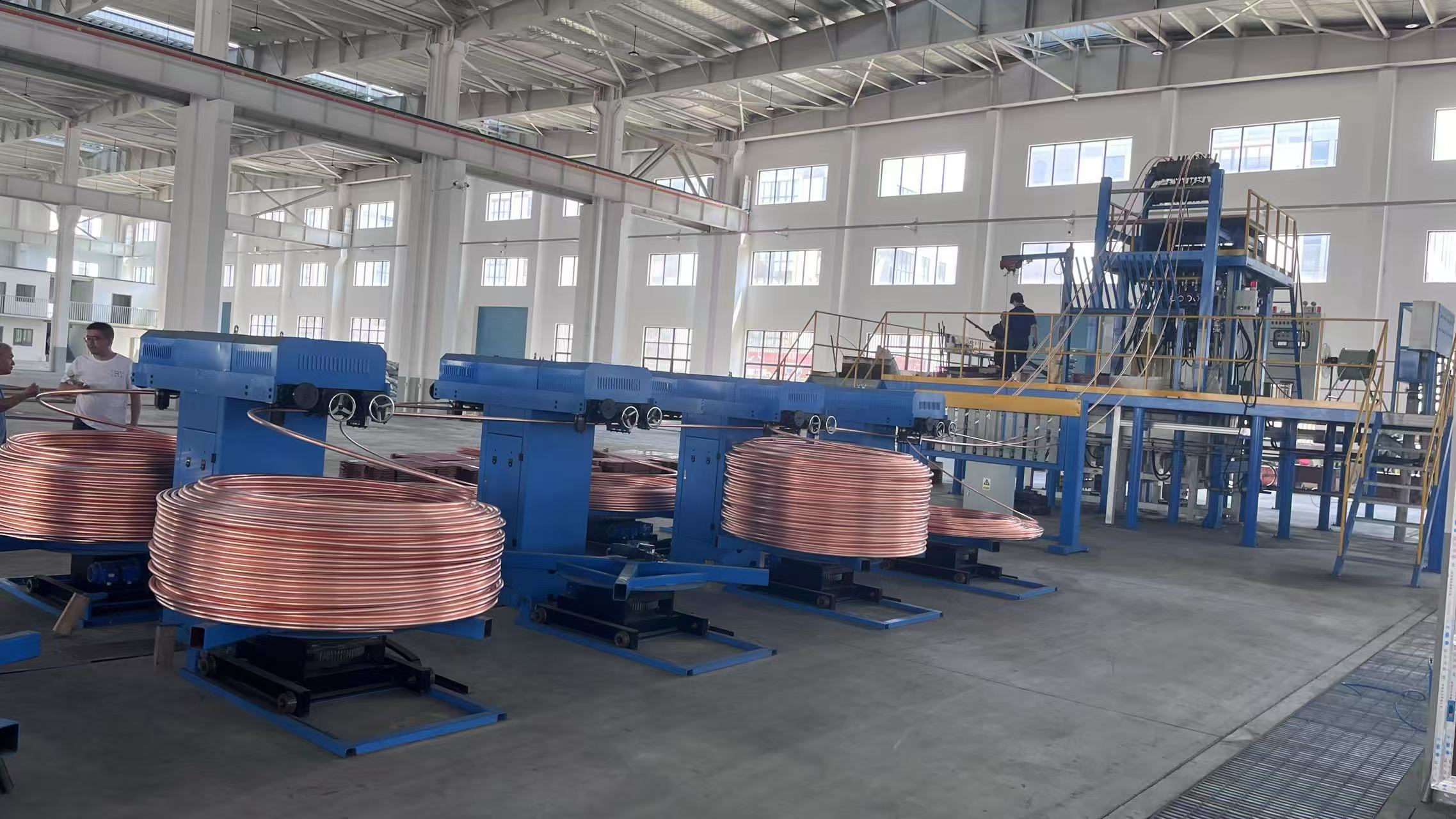
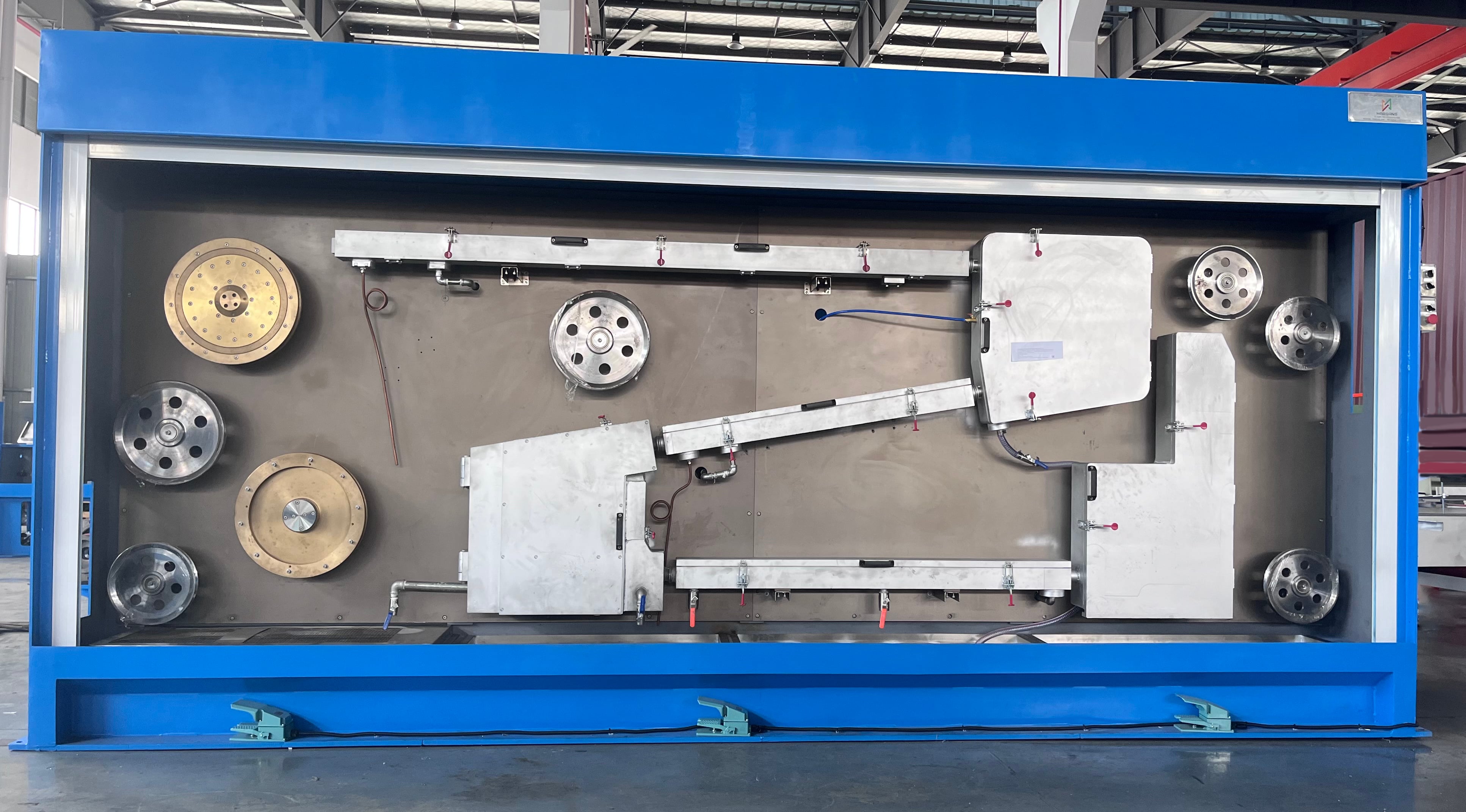
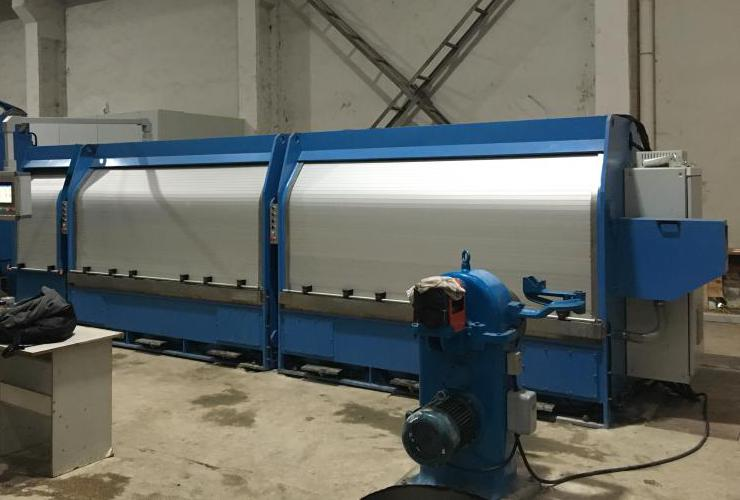
Wire drawing machines represent sophisticated industrial equipment designed to reduce metal rod diameter through a series of precisely controlled drawing dies. These machines transform raw metal materials into uniform wire products with exact specifications required across multiple industries. Wire drawing machines operate by pulling metal through progressively smaller dies, creating thinner, stronger wire with improved surface finish and dimensional accuracy.
The primary function of wire drawing machines involves feeding metal rod into a series of dies that gradually decrease in diameter, stretching the material while maintaining structural integrity. Modern wire drawing machines incorporate advanced hydraulic systems, servo motors, and automated tension control to ensure consistent product quality. These machines can process various metal types, including copper, aluminum, stainless steel, and specialty alloys.
Technological features of wire drawing machines include real-time diameter monitoring, computerized speed adjustment, and integrated cooling systems that prevent material degradation during the drawing process. The machines employ multiple drawing stages to achieve significant diameter reductions while maintaining material properties. Advanced wire drawing machines feature digital controls, emergency stop systems, and safety interlocks protecting operators.
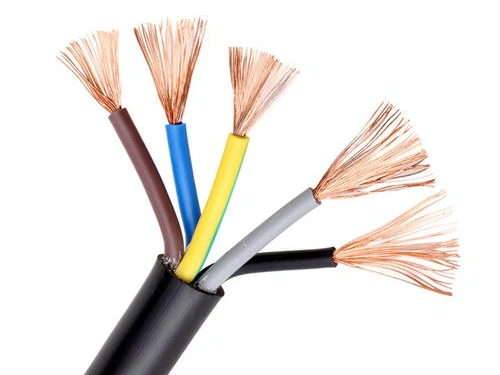
Applications for wire drawing machines span numerous industries where precision wire specifications prove essential. Electrical manufacturers rely on wire drawing machines for conductor production, while construction industries utilize drawn wire for reinforcement purposes. Automotive, telecommunications, and medical device manufacturers depend on wire drawing machines to produce specialized wire products meeting strict tolerance requirements and performance standards.
 ×
×


 EN
EN